What happened
On April 14, the IMF released its semi-annual World Economic Outlook. The finding was stark: since the Strait of Hormuz closed in early March, following the outbreak of conflict in the Middle East, global growth has been revised downward from 3.4% to 3.1% for 2026. Inflation, after two years of steady decline, is heading back up. A single maritime chokepoint, carrying roughly 20% of the world’s oil, is enough to rattle the entire global economy.
In a severe scenario (prolonged closure of the Strait, damage to drilling and refining infrastructure), the IMF projects global growth falling to 2.5% and inflation climbing to 5.4%. That threshold has historically coincided with a global recession — an event that has occurred only four times since 1980.
Why this matters
The energy transition tends to get framed as an environmental project: solar panels, carbon targets, climate summits. That framing is accurate, but it misses something. What this week’s IMF report makes plain is the other side of the equation: as long as an economy runs on imported hydrocarbons, it remains structurally exposed to geopolitical events it had no part in starting.
The Strait of Hormuz is not an anomaly. It is a recurring demonstration of the same mechanism that drove the oil shocks of 1973 and 1979: a conflict thousands of miles away pushes up energy prices, slows growth, and reignites inflation in countries that had nothing to do with the underlying dispute. Fifty years on, the logic is unchanged.
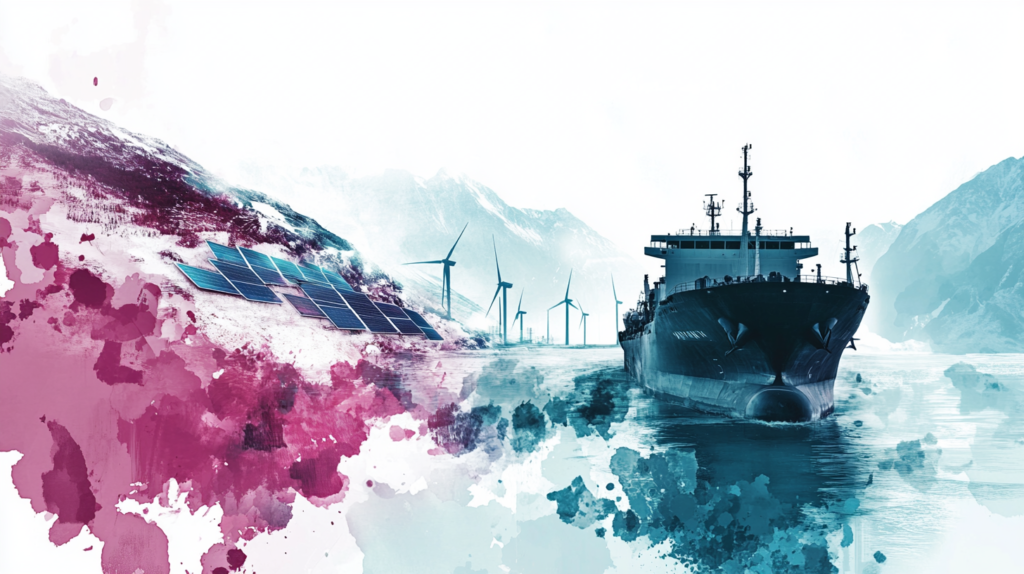
Shifting to locally produced electricity changes that logic at the root. A solar farm or a wind turbine cannot be shut down by a foreign government’s decision. Economists call this energy sovereignty: the ability to stop absorbing crises you did not cause. The climate argument for the energy transition is real. But the economic sovereignty argument may ultimately prove more durable.
Go deeper
To understand the full mechanics of the energy transition, including not just the climate side but the economic and sovereignty dimensions that rarely make the headlines, read our Fundamental on the Energy Transition.
Source: IMF, World Economic Outlook — “Global Economy in the Shadow of War”, April 2026.
─────────────────────────────────────────────
Article written by The Foundations – The basics to understand current events

SpaceX is going public at USD 1.8 trillion. Its revenue: USD 18.7 billion.

Meta acquired Manus. China ordered it to unwind the deal.

Mergers & Acquisitions (M&A)

The US is paying more in interest on its debt than it spends on defense. Moody’s has delivered its verdict.

Public Debt