Monday, July 13, 2026Français/English
The foundations behind the news.
The Foundations
THE FUNDAMENTAL
Economy, decoded · December 22, 2025

Inflation: mechanisms, causes and consequences

Prices rise, savings shrink, central banks react. Here is how the mechanism reaches you, and how to read it.
Inflation: mechanisms, causes and consequences

Since 2021, you’ve lost months of income to a tax that nobody ever voted for.
Inflation is an economic phenomenon that directly affects purchasing power, savings, and investment decisions. Understanding its mechanisms enables us to decipher central bank actions and anticipate major economic developments.

What is Inflation?

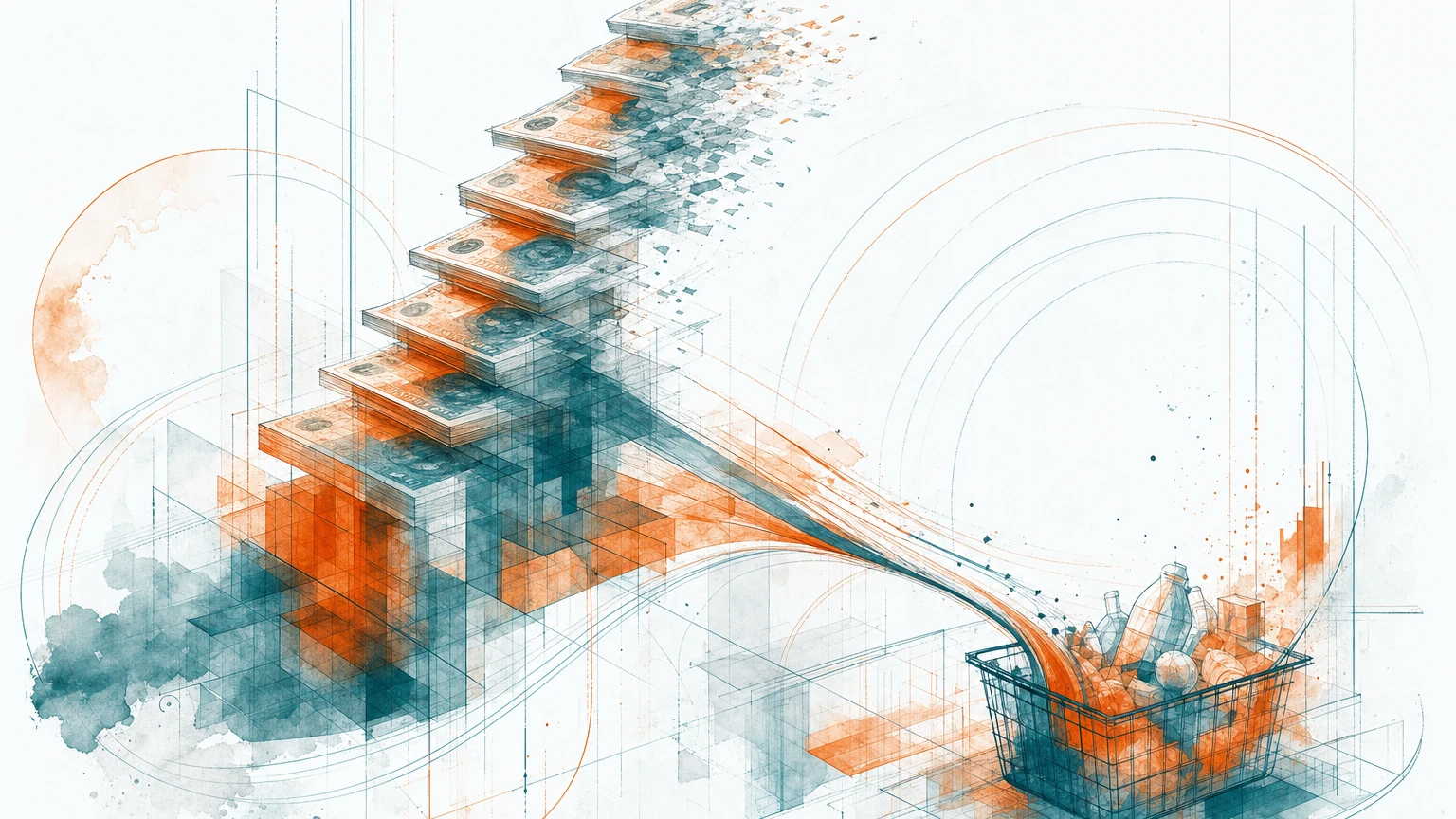
Inflation refers to the general and sustained increase in the prices of goods and services in an economy. It is typically measured by changes in the Consumer Price Index (CPI), which tracks a representative basket of products purchased by households.

Unlike a temporary price increase for a specific product, inflation affects the entire economy. An inflation rate of 3% means that, on average, what cost 100 monetary units a year ago now costs 103.

Inflation erodes purchasing power: with the same amount of money, one can buy fewer goods and services. This is why price stability is a central objective of modern central banks, which generally target inflation close to 2% per year.

Article written by The Foundations. The foundations behind the news.

thefoundations.co