Science & Futures
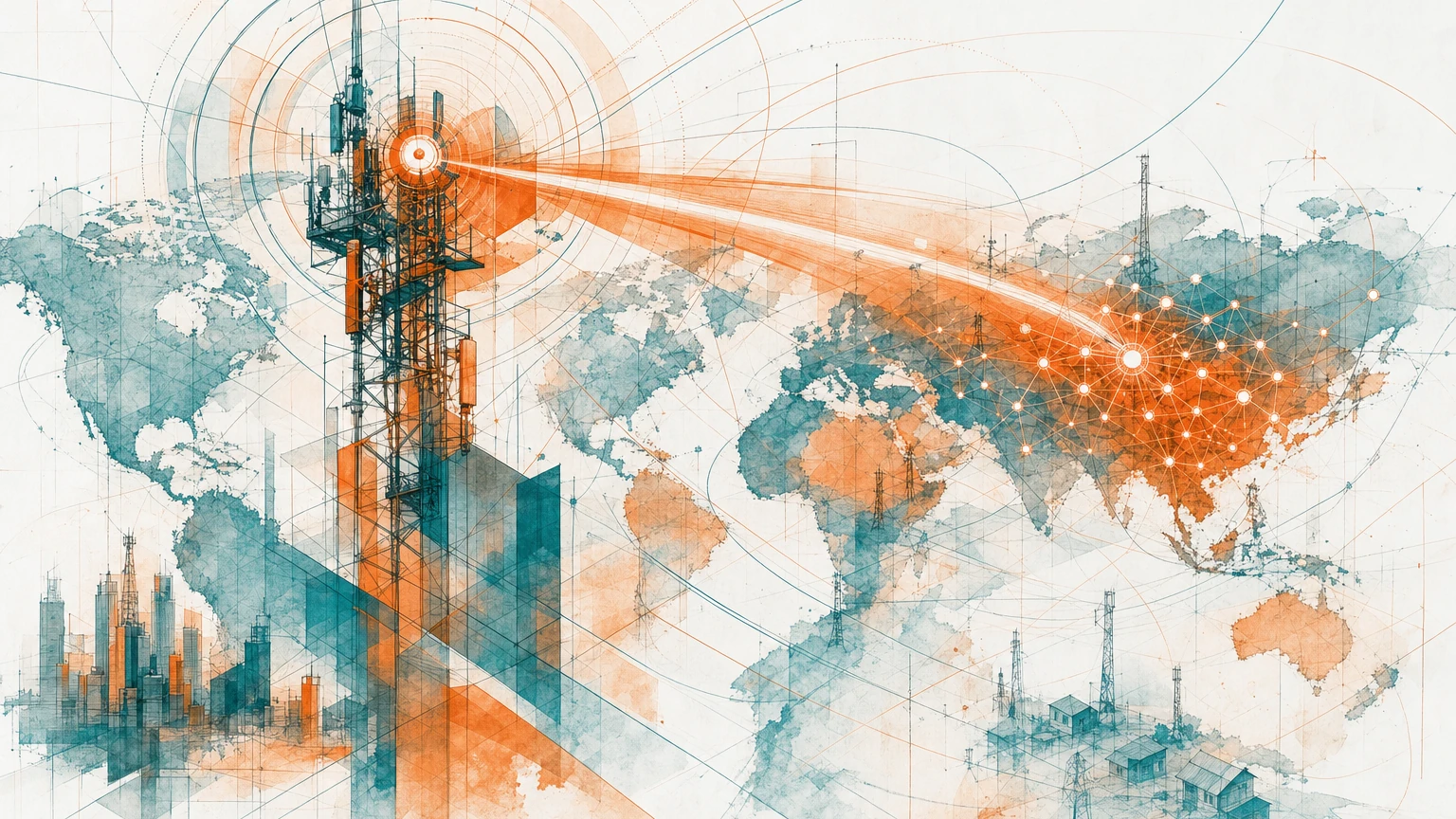
5G and 6G: how mobile networks really work
You were promised self-driving cars and connected factories. You mainly gained one extra letter on your screen. While China installs millions of antennas and two billion people stay offline, 6G is already being marketed to you. This Fundamental unpacks what 5G really changed, who benefits from it, and why the next generation arrives before the previous one kept its promises.
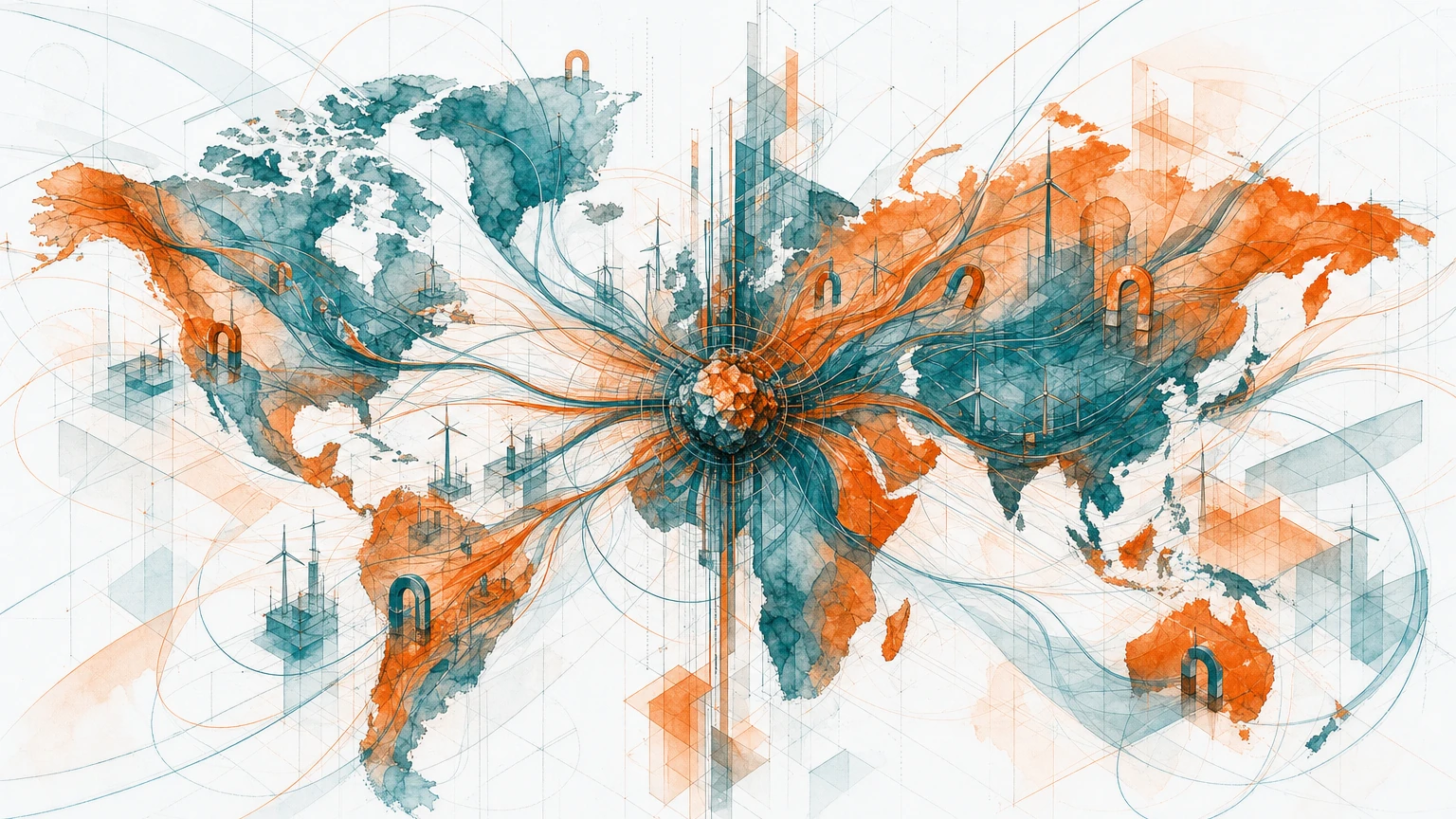
Rare earths and critical materials
They are in your phone, your car, every wind turbine. Yet one country refines 90% of the world's rare earths. How a handful of elements with no substitute became the silent weapon of the 21st century, and why neither recycling nor new mines will be enough in the near term.

Water stress and scarcity
Our planet is blue, and yet nearly 4 billion people run short of water every year. How does a seemingly infinite resource turn scarce? From India's aquifers to the Nile dam, this Fundamental decodes the mechanics of water scarcity.
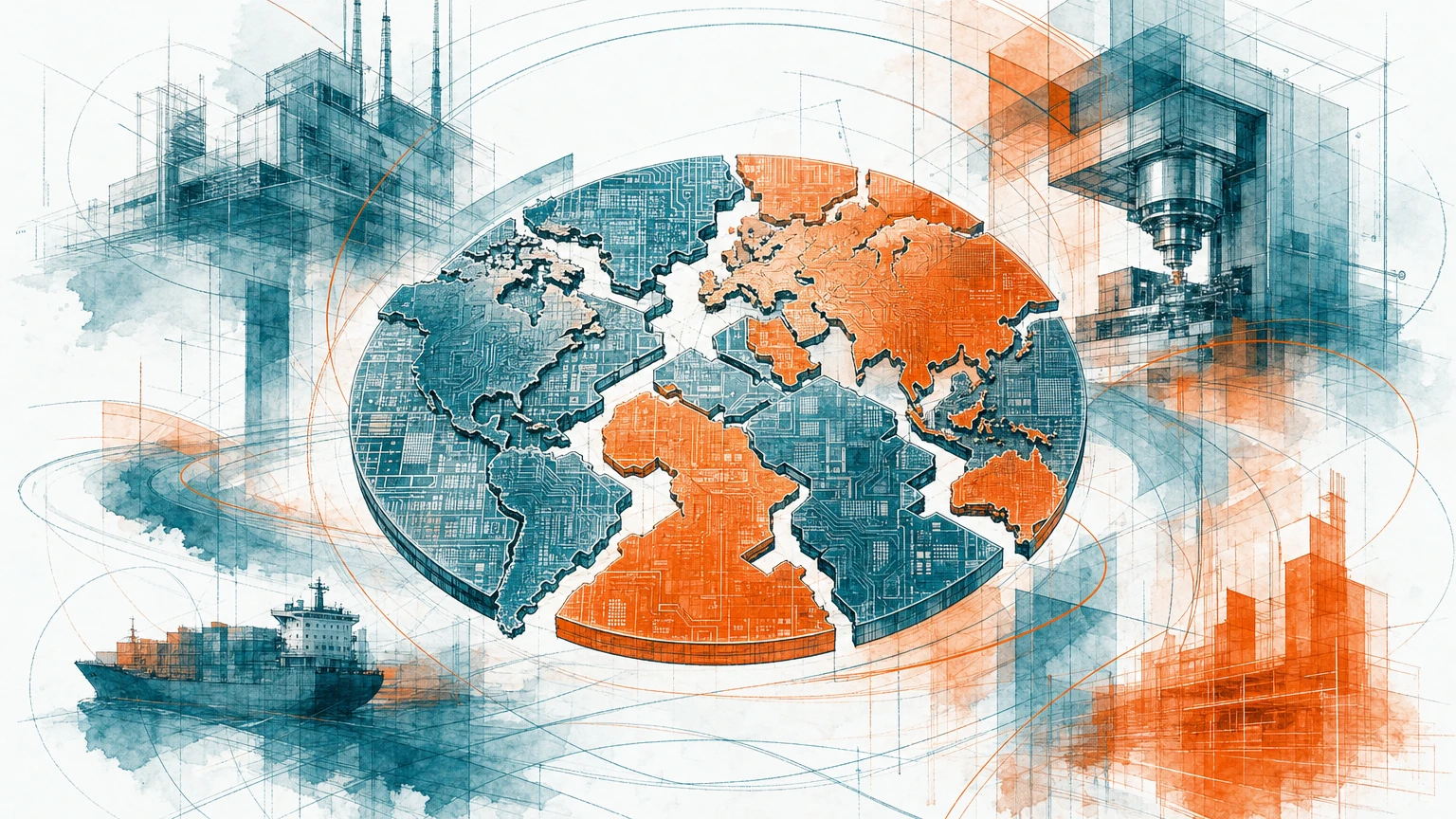
Semiconductors: technology and geopolitics
A single territory makes close to 90 % of the planet's most advanced chips, and no one can replace it quickly. Behind every smartphone, car and server hides a global chain of unexpected fragility. A 627-billion-dollar market, technical monopolies, a subsidy war: here is why chips now decide the balance of power between great nations.
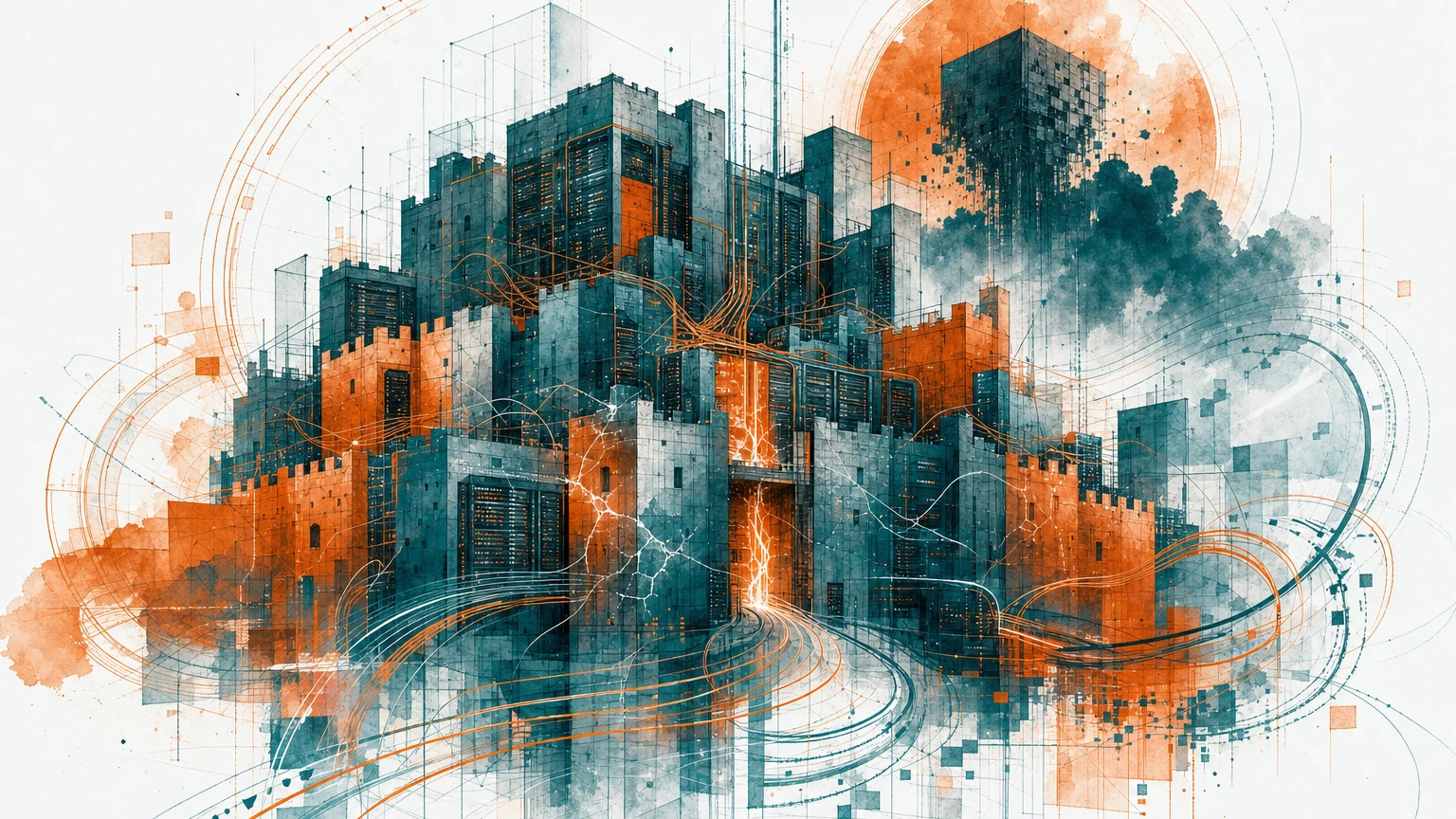
Cybersecurity and digital sovereignty
Defences have never been more effective, and yet cybercrime costs more than ever: around 10.5 trillion dollars in 2025. Behind every data breach lies an invisible battle for control of infrastructure, software and encryption. Understanding cybersecurity and digital sovereignty means grasping who really holds the keys to the connected world.

Biotechnology and health
A blood disease can now be corrected at its root. The treatment comes close to a cure, but costs 2.2 million dollars. Yet 80 % of patients live where that price is out of reach. How did biotechnology move the frontier of care, and why is science no longer the main obstacle?

Helion bets $465M that fusion can leave the lab
Helion has just raised $465 million against a hard contractual deadline: deliver electricity to Microsoft by 2028. Nuclear fusion is no longer a laboratory project, but the industrial challenges remain entirely unsolved.

Nuclear fusion: state of the art and commercial horizon
In December 2022, a fusion target released more energy than it received for the first time. Since then, more than $7 billion in private capital has flowed into the sector. But between the promises and commercial reactors, what obstacles remain, and what do realistic timelines look like?
Alphabet raises $80B: who can still compete in AI
Alphabet just raised $80 billion for AI infrastructure in a single operation. Less a corporate announcement than a structural signal about who still gets to compete at the top of this industry.
China makes 80% of solar panels, and loses billions
China is breaking solar export records in the wake of the Gulf conflict. Its manufacturers are deep in the red. The paradox of an industry undone by its own success.
Starship V3 flies: the real stakes of the space race
On May 22, 2026, SpaceX launched Starship V3, the most powerful rocket ever built. Behind the spectacle, three things were at stake at once: a race to land humans on the Moon before 2030, a stock market debut targeted for June 12 at a $1.75 trillion valuation, and the expansion of Starlink, the only division in the company already turning a profit.
The new space economy: how private industry took over
For sixty years, space was a government monopoly. Then a handful of private companies cut the cost of reaching orbit by 95% in a decade. Who are these players, why are they betting billions on low Earth orbit, and what does that mean for everyone else on the ground?
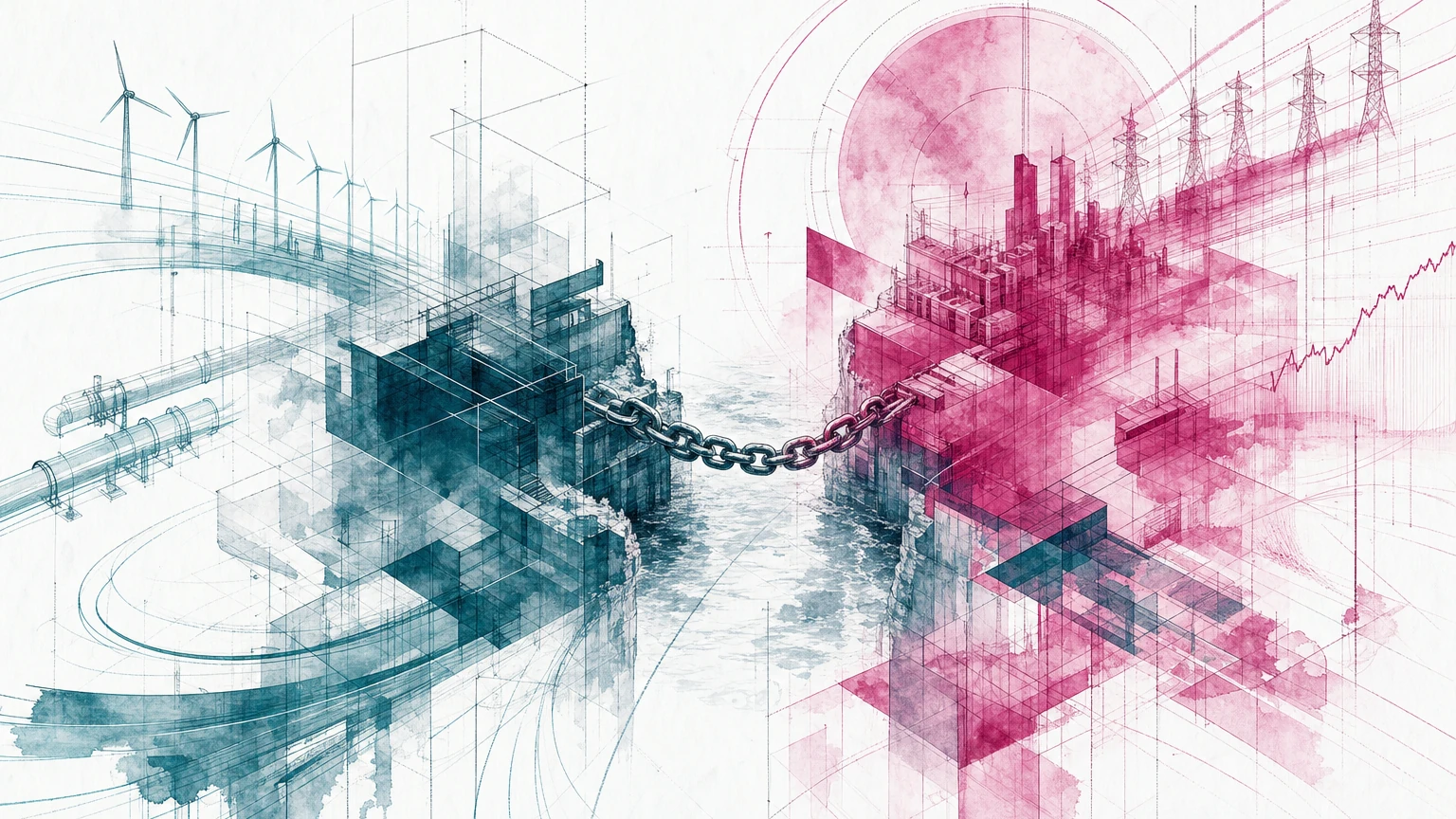
Energy transition is about power, not just climate
The IMF just revised global growth downward because a single strait closed. That’s not a climate story. It’s a sovereignty story, and it’s exactly what the energy transition is really about.
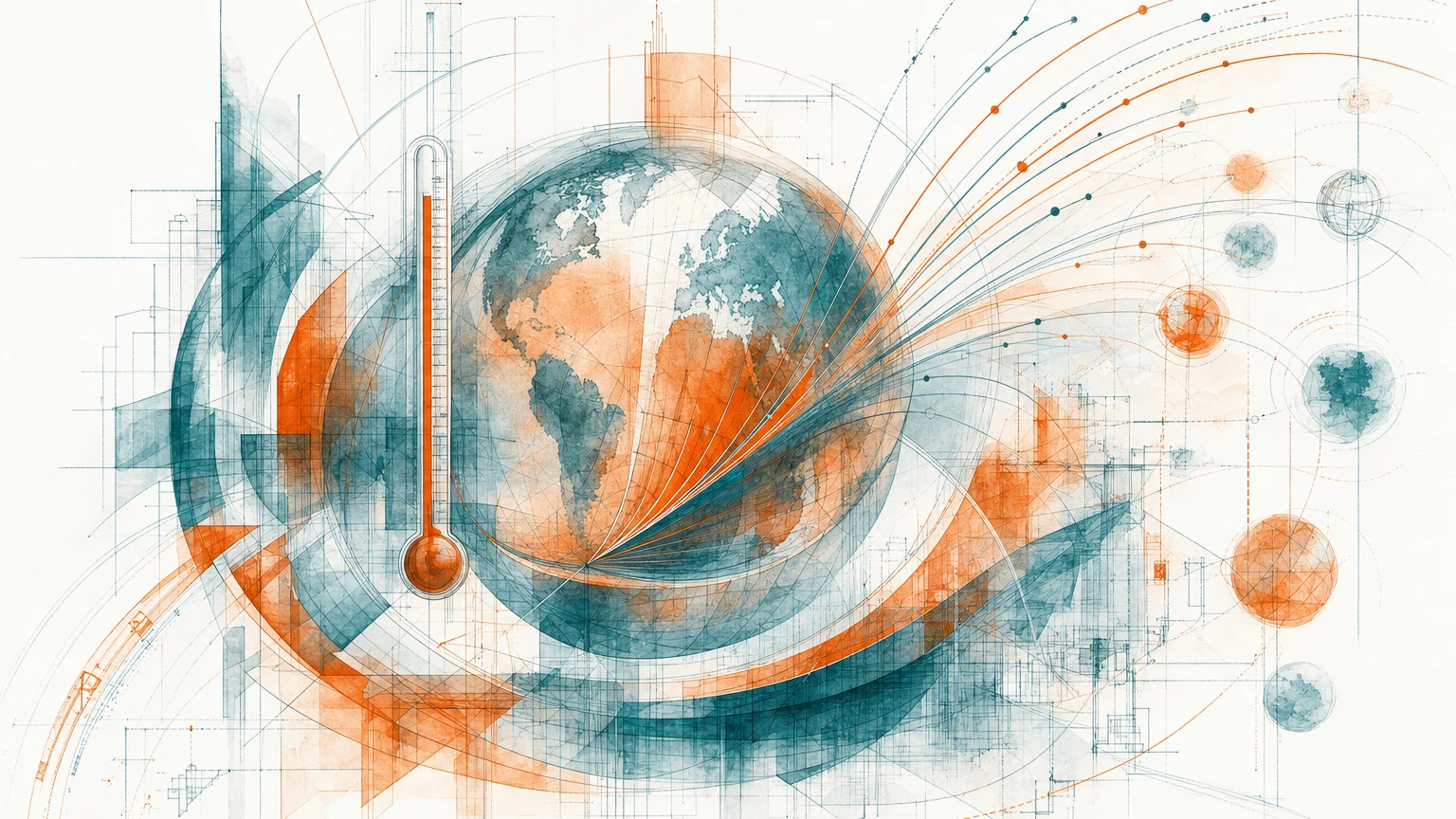
Climate change: science, data and projections
The science is settled. The projections, however, are not, they span a wide range of scenarios depending on choices made in the next few decades. What the IPCC actually says, what SSP and RCP scenarios mean in practice, and where the real uncertainties lie.
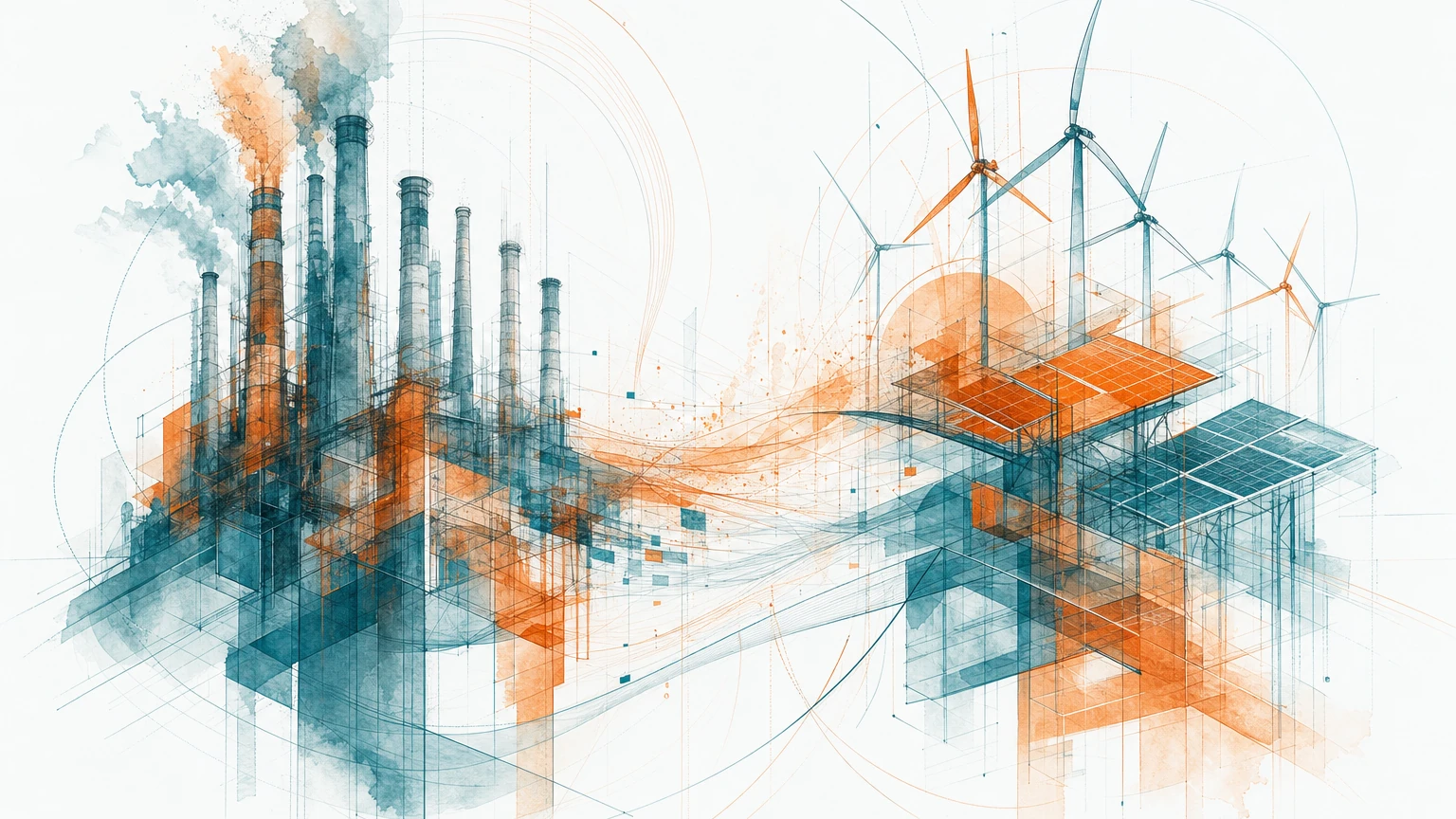
The energy transition: technologies, stakes, timelines
Renewables are now the cheapest source of new electricity in most of the world. Yet fossil fuels still account for over 80% of global energy consumption. Understanding why the gap exists, and what it takes to close it, is the real foundation of the energy transition.

Artificial intelligence: how it works and why it matters
Most people use AI tools daily without knowing what’s actually running underneath. Neural networks, large language models, training data, inference, the vocabulary is everywhere, the explanations almost nowhere. A clear, jargon-free breakdown of how modern AI actually works.