Economy, decoded
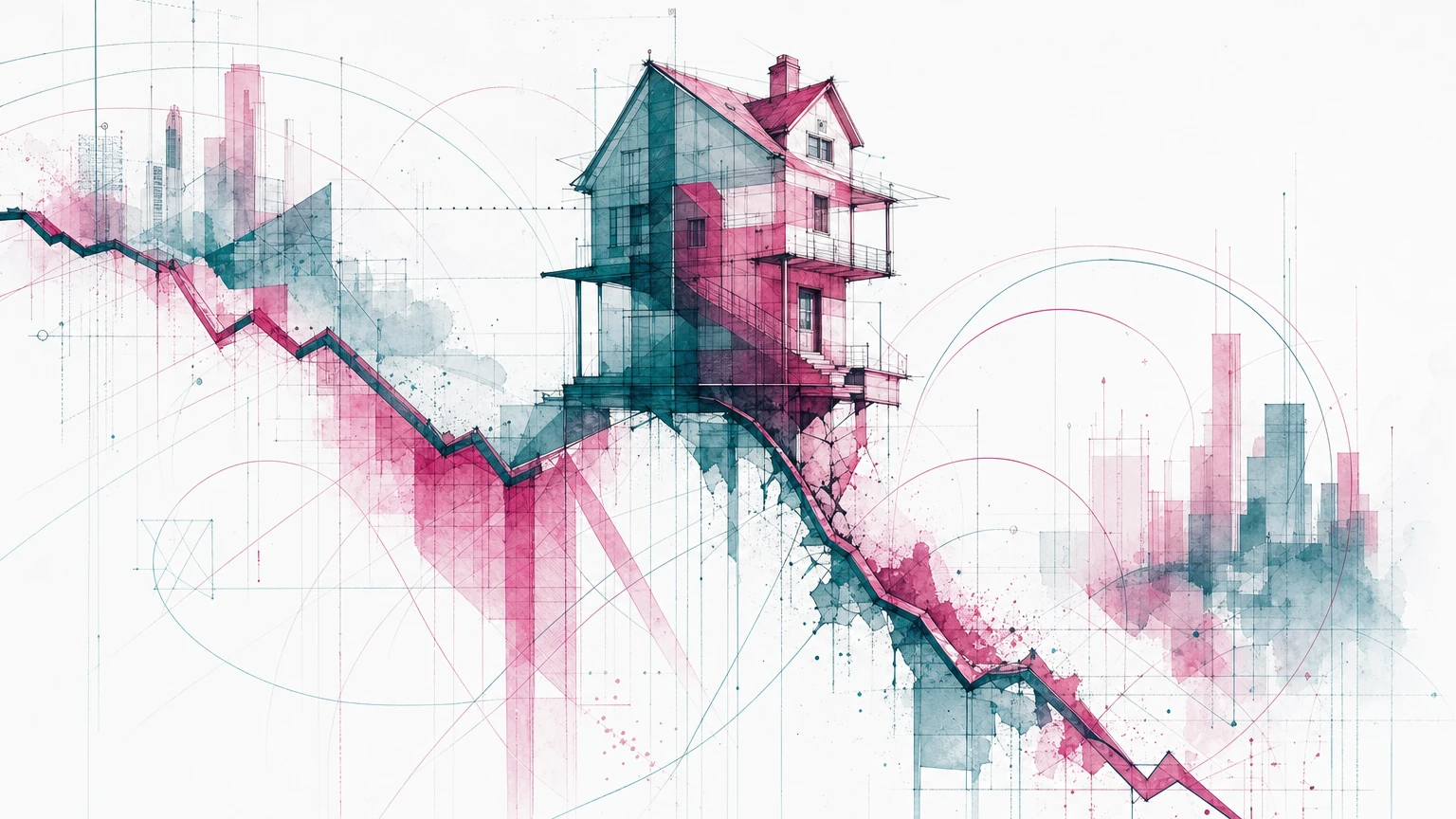
Sydney falls, rents soar: Australia’s market splits
For the first time in the current cycle, home values are falling in Sydney and Melbourne, even as rents rise 5.9% nationally. Rates back at 4.35%, a tax shake-up for landlords, and a record low in consumer confidence: three forces behind a housing market that’s splitting in two.

Public debt hit $100T. Why it never stops
Every year, thousands of companies merge or get acquired for trillions of dollars combined. Yet studies consistently find that most deals fail to deliver their promised value. This Fundamental breaks down how M&A actually works: why companies pursue deals, what due diligence really uncovers, why synergies are so often overpromised, and what separates the transactions that create lasting value from those that quietly destroy it.
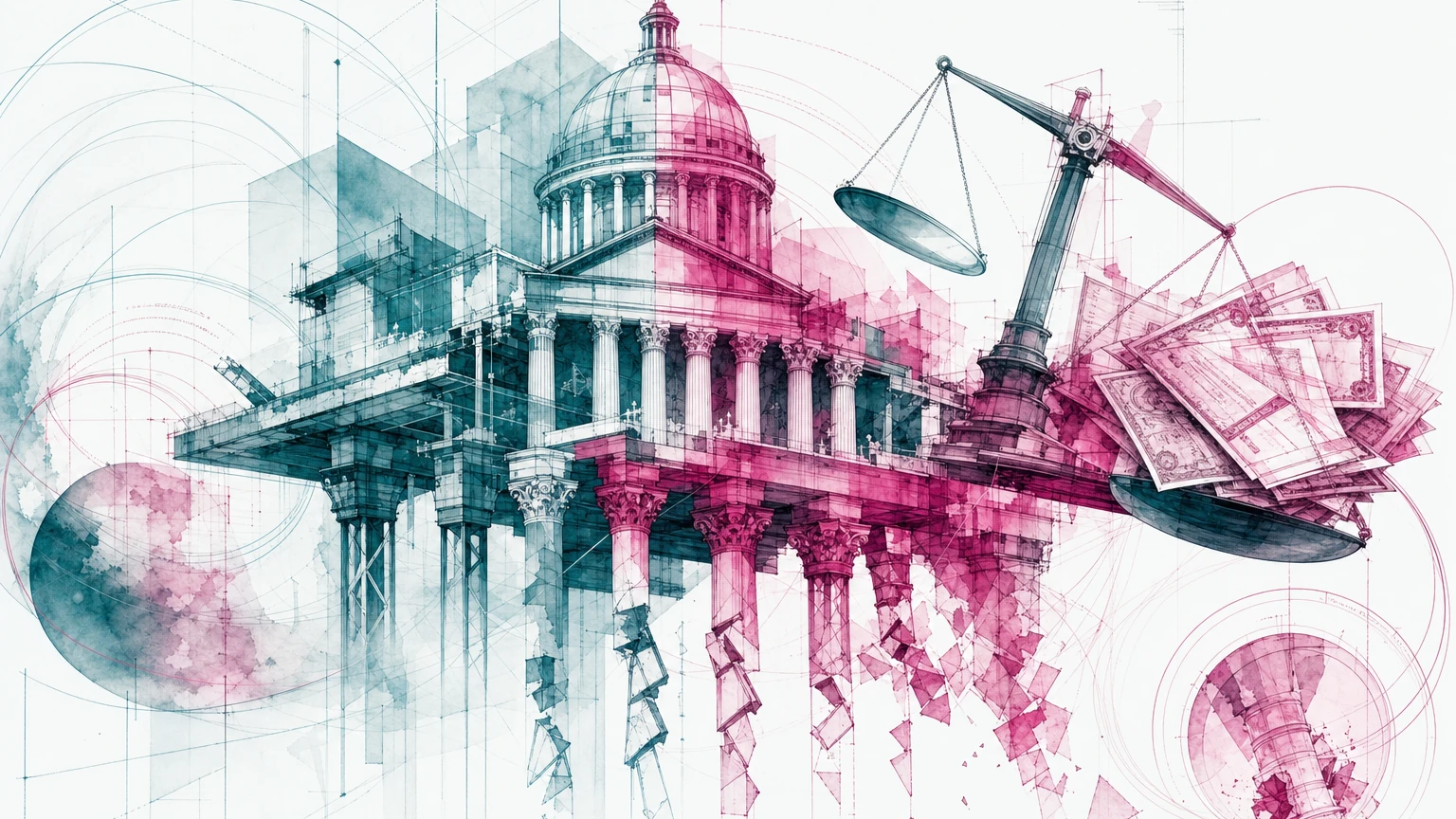
US debt interest now tops the entire defense budget
For the first time since the 1990s, US net interest payments on the federal debt exceed the entire national defense budget: $952 billion versus $886 billion. On May 16, 2025, Moody’s stripped the US of its triple-A, the last of the three major rating agencies to do so. A signal markets already knew. A mechanism most people have never seen explained.

US tariffs struck down: global trade awaits a judge
In 78 days, two US tariff programs were struck down in court. This is not just a legal dispute: it signals that global value chains are now operating without stable ground rules, and every link in the chain is absorbing the cost.

International trade and global value chains
Your smartphone was designed in the United States, built with components from Taiwan and South Korea, assembled in China, and shipped across three continents before reaching your hands. That journey is not an exception, it is how the modern economy works. Understanding global value chains, the return of protectionism, and the reshaping of supply chains is now essential for anyone trying to make sense of prices, jobs, and geopolitics.
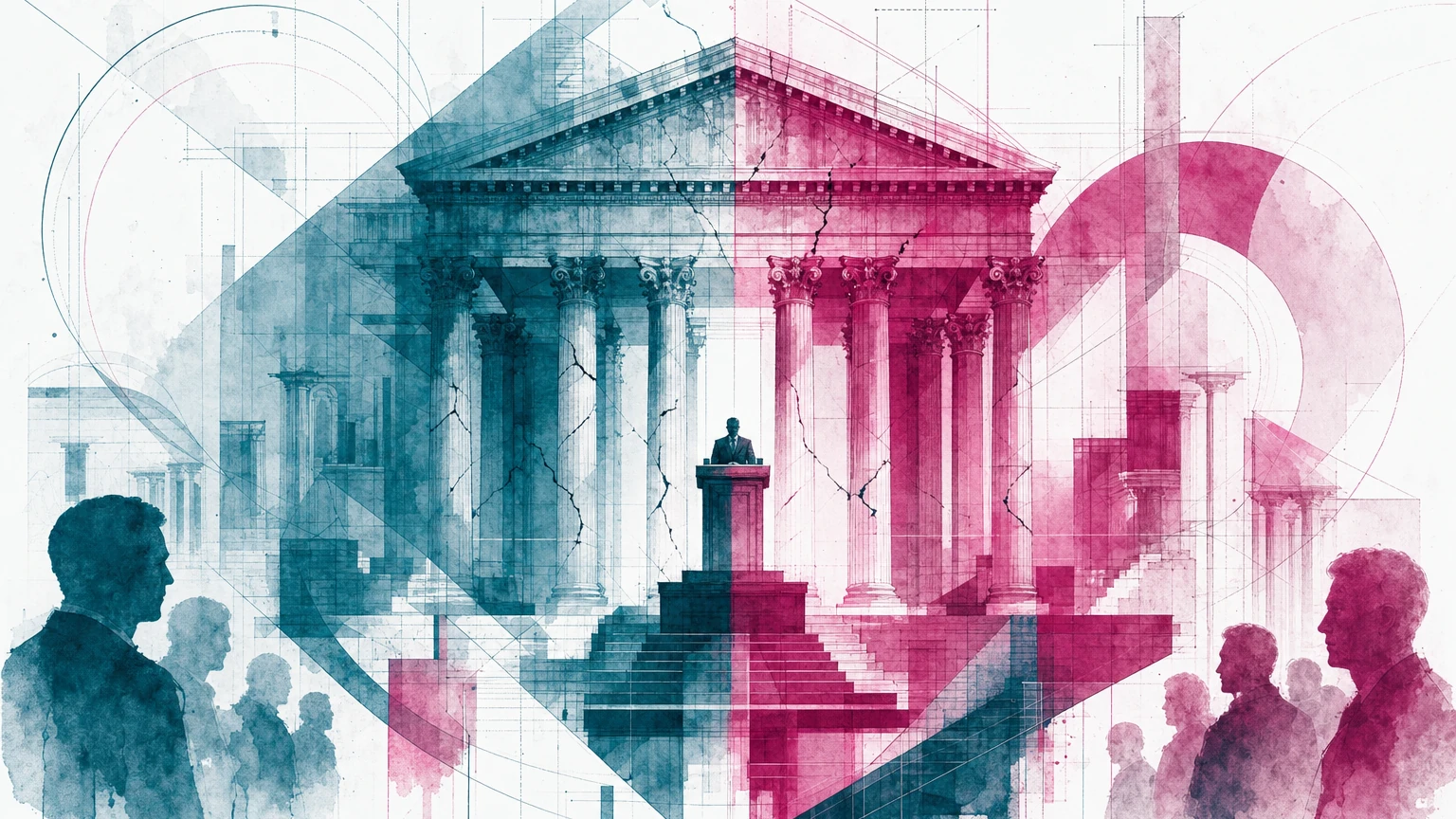
The Fed’s new chair won by the narrowest vote ever
54–45: the narrowest confirmation vote in Federal Reserve history.

When a president tries to fire the Fed chair
On April 15, Donald Trump threatened to fire Federal Reserve Chair Jerome Powell if he doesn’t leave his post by May 15.
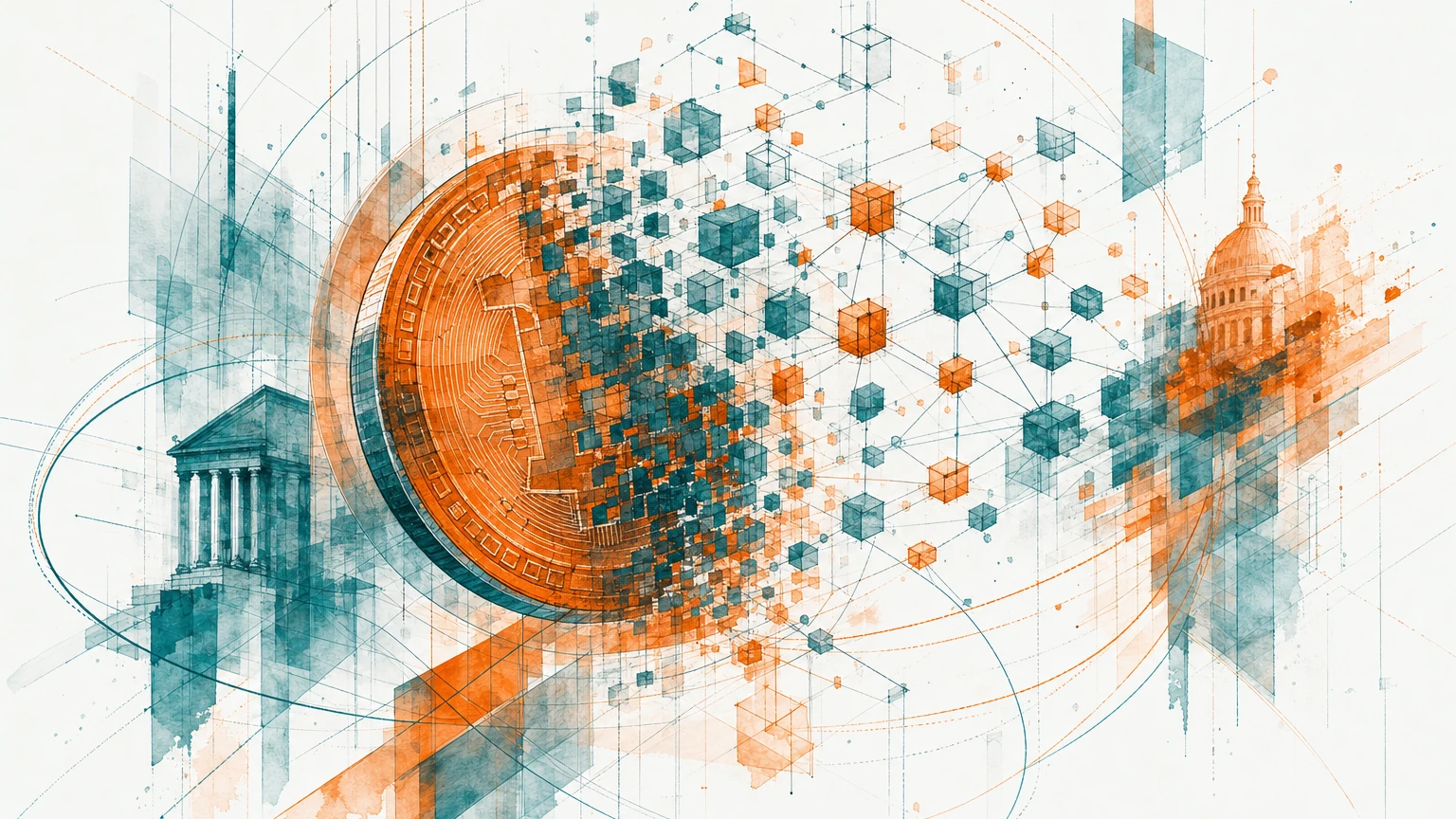
Cryptocurrencies and digital assets: the basics
Bitcoin passed $100,000. Entire economies have adopted it as legal tender. Regulators worldwide are still trying to catch up. Before forming an opinion, it helps to understand what blockchain actually does, why crypto behaves the way it does, and what distinguishes a serious asset class from speculation.

Economic growth: sources, drivers and limits
GDP has multiplied by more than tenfold in advanced economies since 1950. Yet forecasters now expect the next decades to look nothing like the last. What actually drives growth, why it slows, and whether the historical model can still hold, the foundational concepts behind every economic outlook.

Economic inequalities: measurement and evolution
The richest 1% now hold more wealth than the bottom 50% combined. But that figure alone tells you less than you’d think, what matters is understanding how inequality is measured, why different metrics yield different conclusions, and what the data actually shows about its evolution over time.
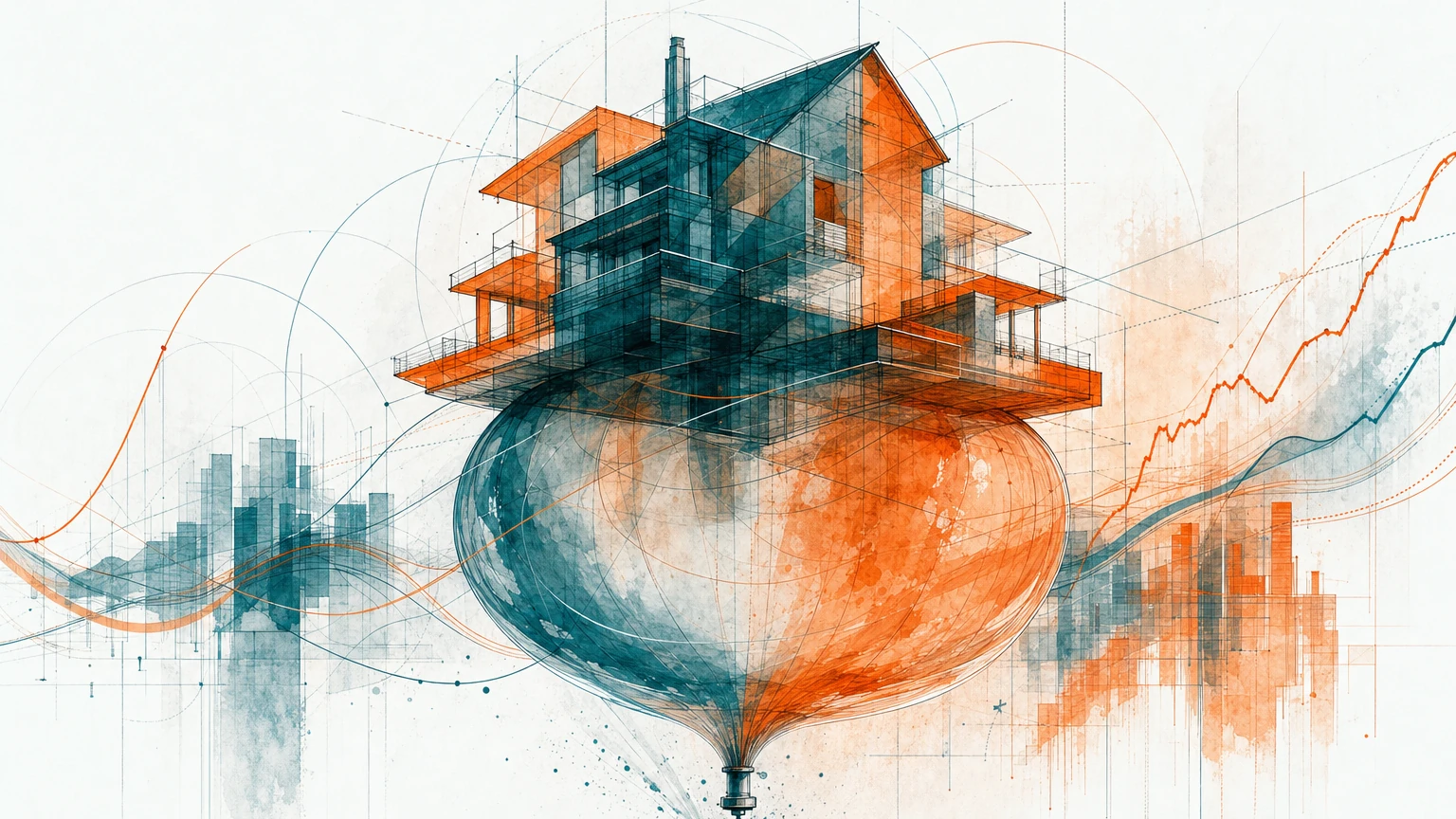
Real estate: bubbles, investment and housing policy
Real estate is the world’s largest asset class, and one of the least understood. Price-to-income ratios, cap rates, bubble dynamics, rent control, zoning: the concepts that explain why housing markets behave the way they do, in any country, at any point in the cycle.

Financial markets: how stocks, bonds and prices work
Stocks, bonds, derivatives, indices, market makers, liquidity, financial markets have their own language, their own rules, and their own logic. A structured breakdown of how they’re organized, who the key players are, and what actually moves prices, beyond the headlines.

Economic cycles: recession, expansion and bubbles
Economies don’t grow in straight lines. They expand, overheat, contract, and recover, in patterns that repeat, even if the triggers vary. How to read economic cycles, what the leading indicators actually signal, and why understanding this rhythm changes how you interpret almost any piece of financial news.
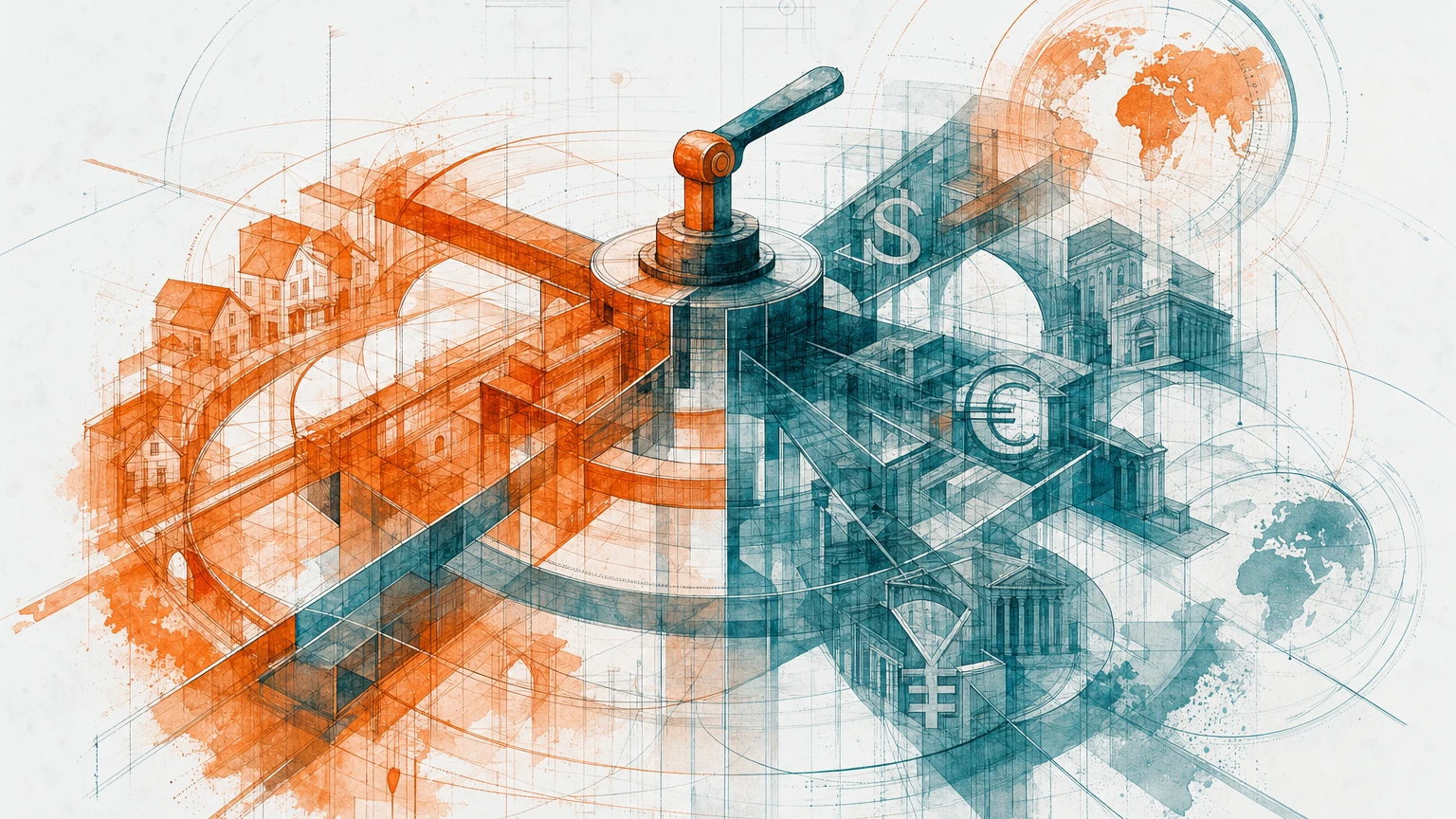
Interest rates: how monetary policy moves the economy
When central banks move their key rate by a quarter of a point, mortgage costs shift, currencies fluctuate, and stock markets reprice, sometimes within minutes. Understanding why that happens is the starting point for reading any major economic event of the past two decades.

Inflation: mechanisms, causes and consequences
Prices rise, savings shrink, central banks react. Here is how the mechanism reaches you, and how to read it.