Monday, July 13, 2026Français/English
The foundations behind the news.
The Foundations
THE FUNDAMENTAL
Economy, decoded · January 22, 2026

Interest rates: how monetary policy moves the economy

When central banks move their key rate by a quarter of a point, mortgage costs shift, currencies fluctuate, and stock markets reprice, sometimes within minutes. Understanding why that happens is the starting point for reading any major economic event of the past two decades.
Interest rates: how monetary policy moves the economy

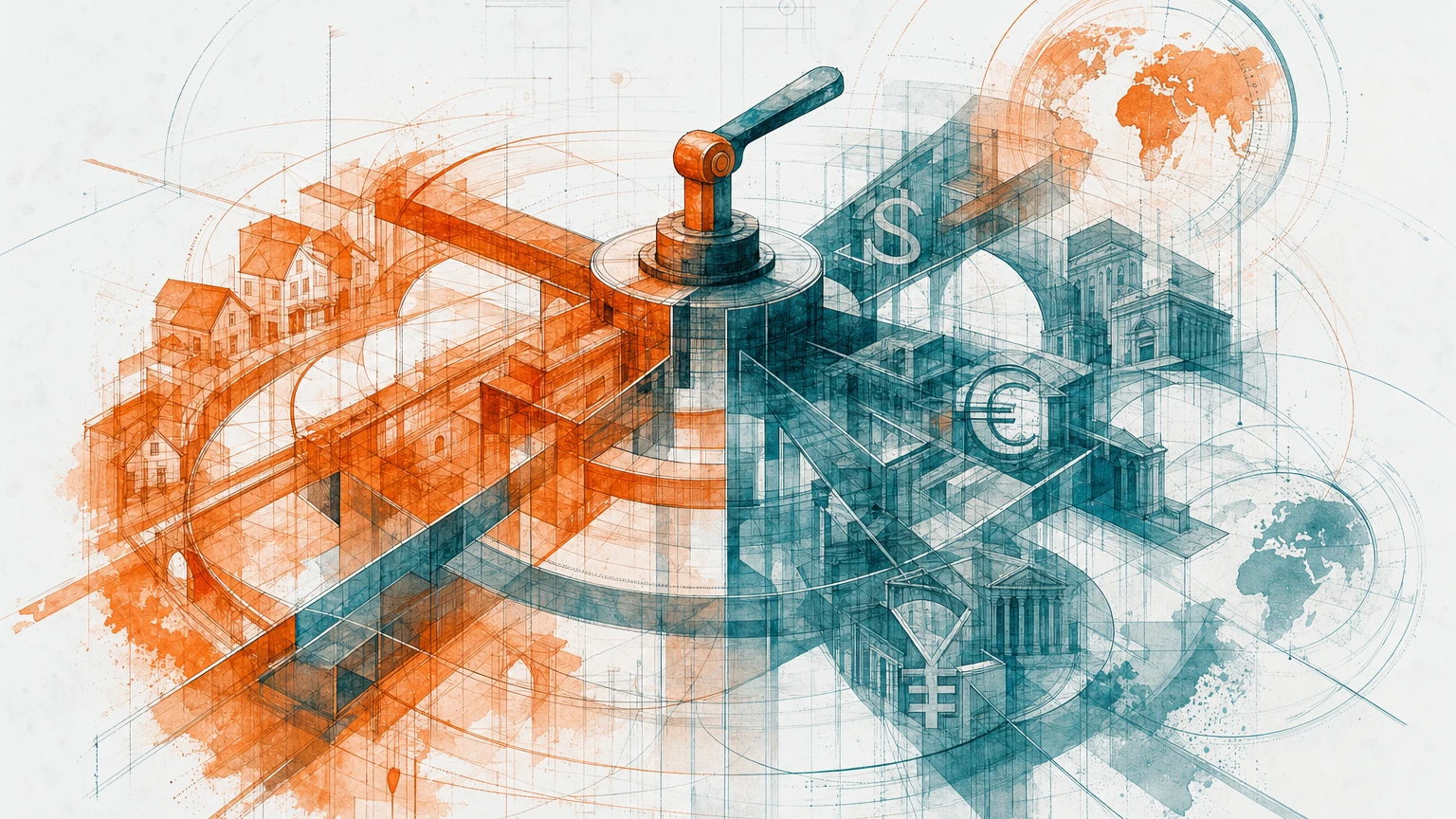
A quarter-point set by a handful of people changes the price of your whole life.

How central banks steer the global economy

Why understand interest rates?

When a central bank announces that it is “raising rates,” this seemingly technical decision triggers a cascade of effects throughout the economy. Your mortgage price changes, businesses revise their investment plans, financial markets react, and even your savings are impacted. Yet few people truly understand how this fundamental lever of economic policy works.

Interest rates are one of the most powerful tools governments and central banks have to influence economic activity. They act as the economy’s thermostat: lowered to stimulate growth and raised to curb inflation. But this mechanism, though simple in theory, relies on complex workings that this guide will explain from scratch.

Understanding interest rates means understanding why your purchasing power fluctuates, why certain periods favor borrowing and others favor saving, and why decisions made by a handful of people in a central bank influence the lives of millions. This knowledge allows you to better anticipate economic cycles and adapt your personal financial decisions.

Article written by The Foundations. The foundations behind the news.

thefoundations.co