The Briefs
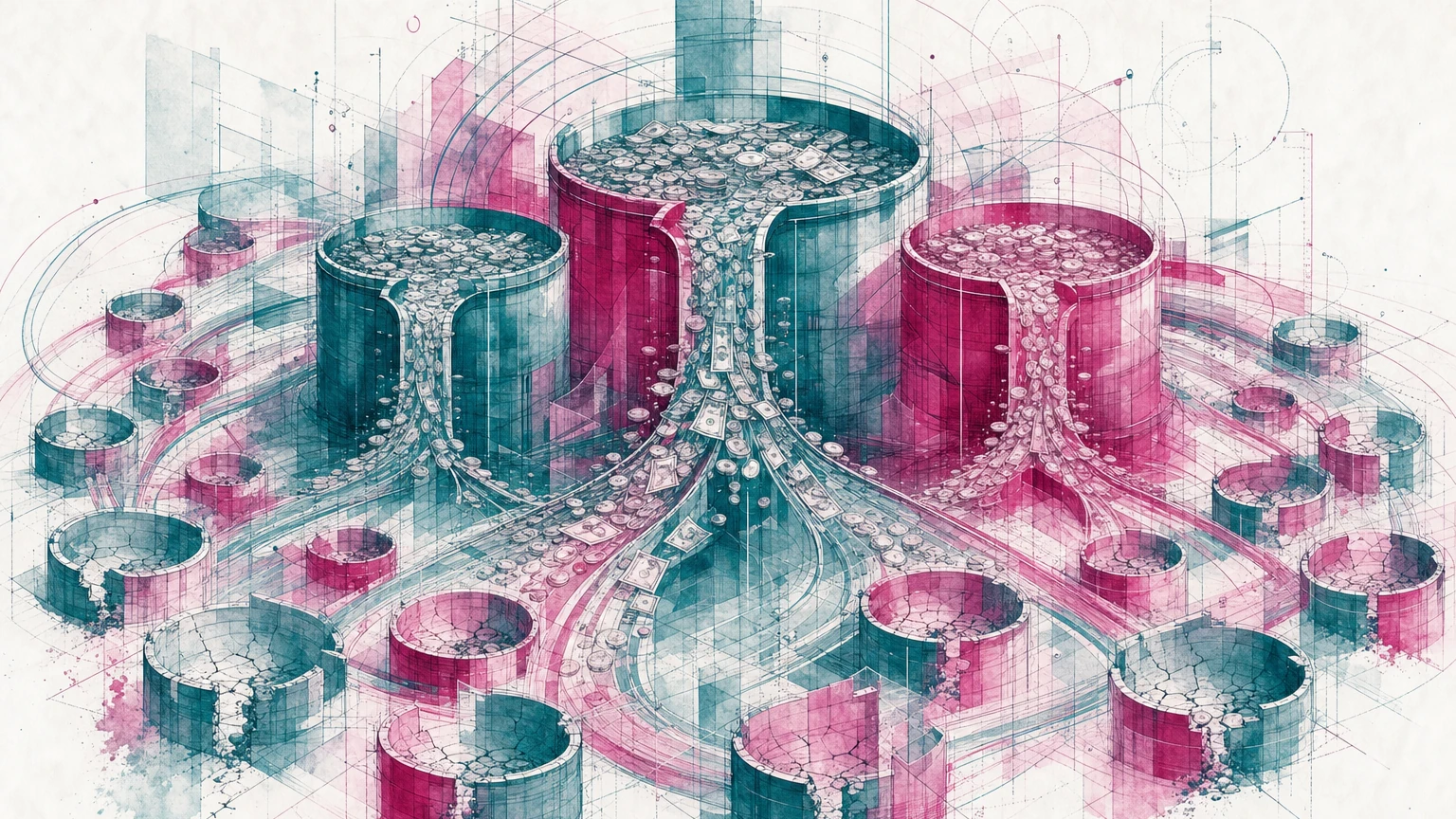
Private equity: mega-funds are swallowing all the capital
The private equity mega-funds are raising record sums while smaller managers struggle to close their funds. A handful of houses now captures close to half of the industry's capital, tilting the balance of power inside a business that owns companies on every continent.
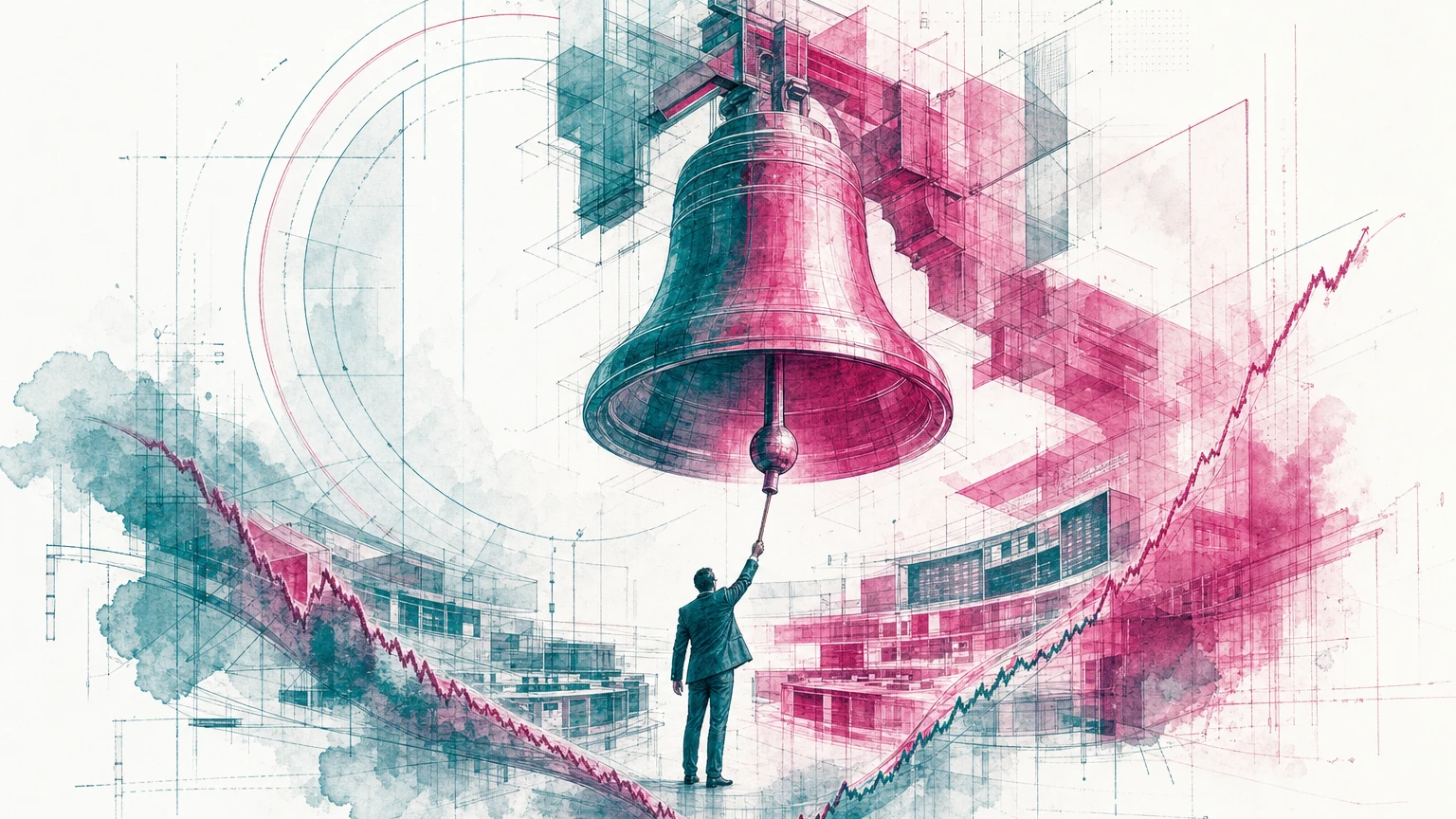
IPO explained: Men’s Wearhouse owner returns to market
Tailored Brands, owner of Men’s Wearhouse, files for a US IPO five years after bankruptcy. A chance to understand what an initial public offering really is: a financing and liquidity tool bound by strict obligations, not a finish line.
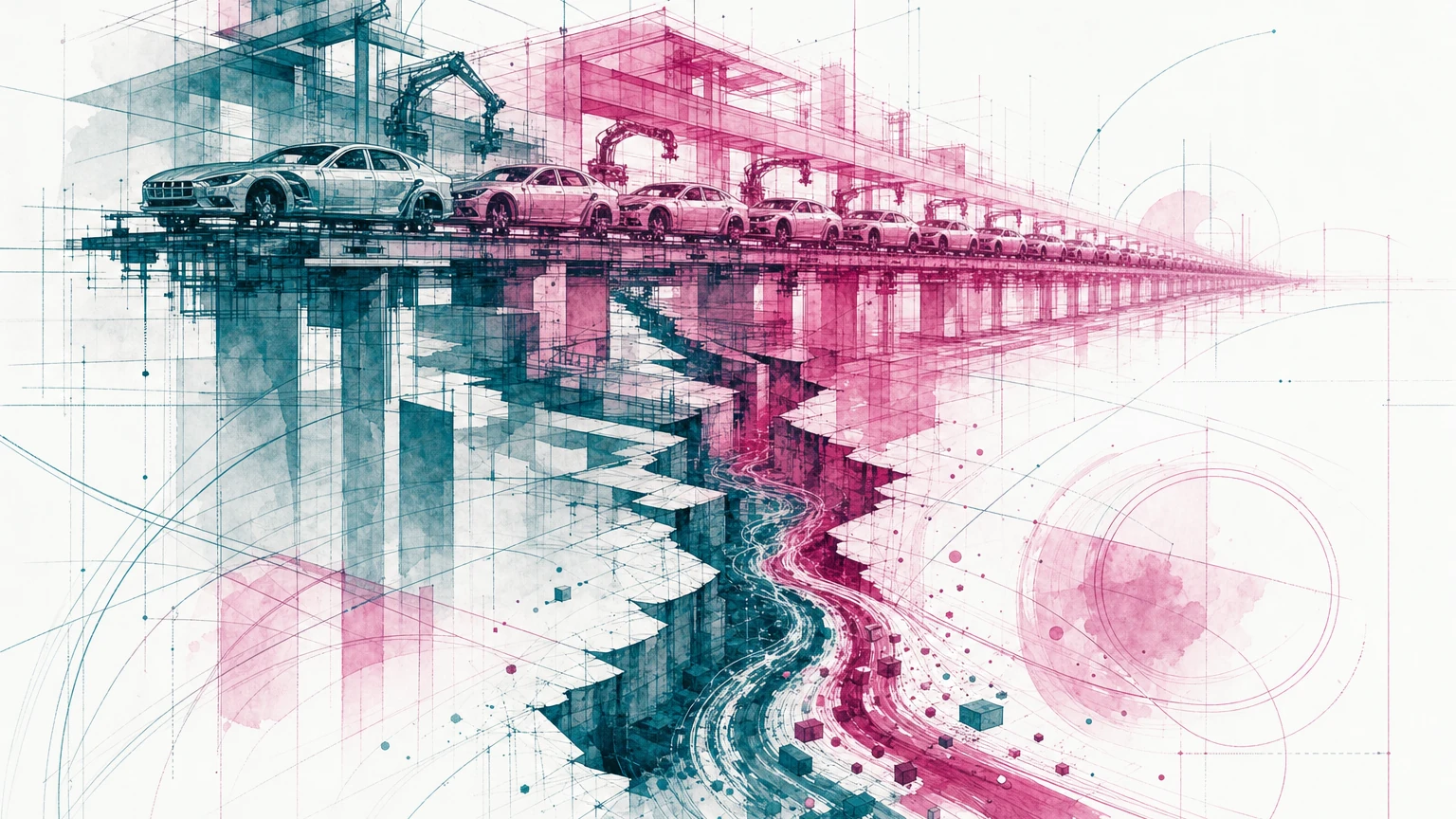
Value creation: when a giant grows yet loses worth
Volkswagen wants to cut up to 100,000 jobs to restore profitability. Behind the clash lies a forgotten mechanism: a company can sell millions of vehicles and still destroy value once its return on capital falls below its cost of funding.

Sydney falls, rents soar: Australia’s market splits
For the first time in the current cycle, home values are falling in Sydney and Melbourne, even as rents rise 5.9% nationally. Rates back at 4.35%, a tax shake-up for landlords, and a record low in consumer confidence: three forces behind a housing market that’s splitting in two.
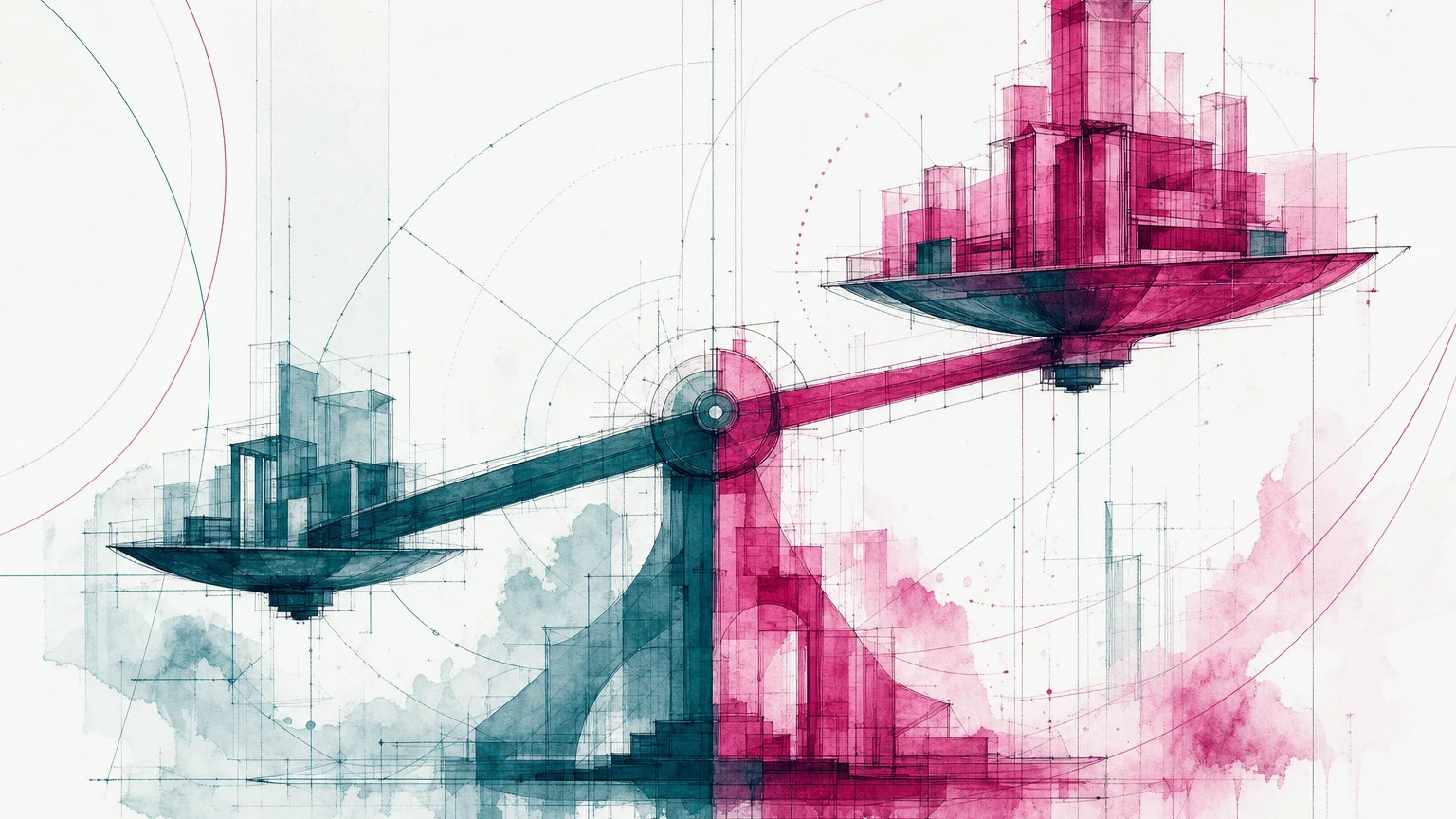
Germany’s pensions don’t add up: enter Sweden
Germany is debating a structural overhaul of its pension system, drawing on the Swedish model. What’s at stake in Berlin is not a simple parametric fix, it’s a question of whether a pay-as-you-go system can still absorb an accelerating demographic squeeze.
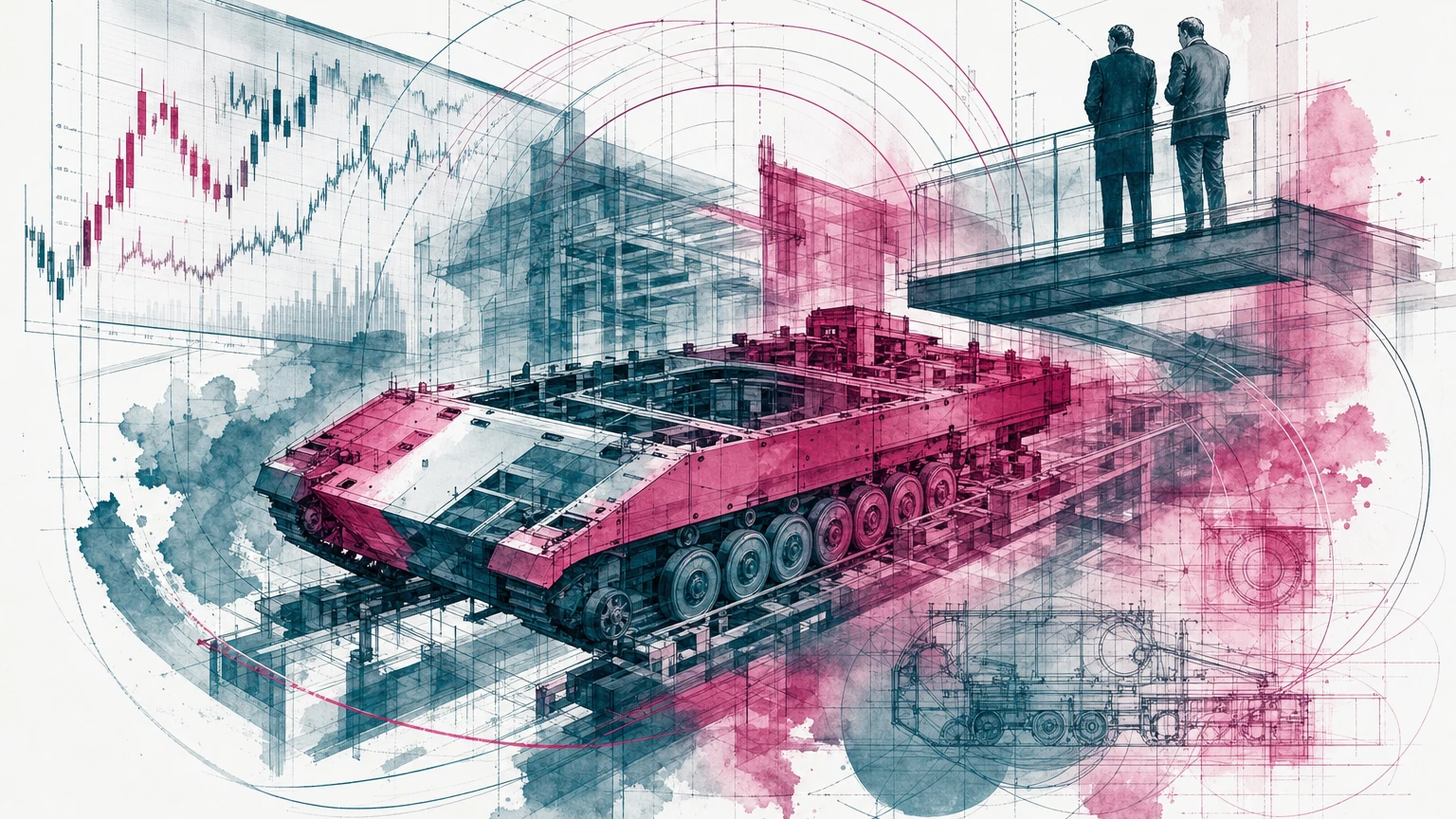
KNDS IPO: governments buy in before the public can
Europe is rearming at full speed, and KNDS is going public to finance the acceleration. But in this IPO, governments buy in first, and the public gets what’s left.

Helion bets $465M that fusion can leave the lab
Helion has just raised $465 million against a hard contractual deadline: deliver electricity to Microsoft by 2028. Nuclear fusion is no longer a laboratory project, but the industrial challenges remain entirely unsolved.
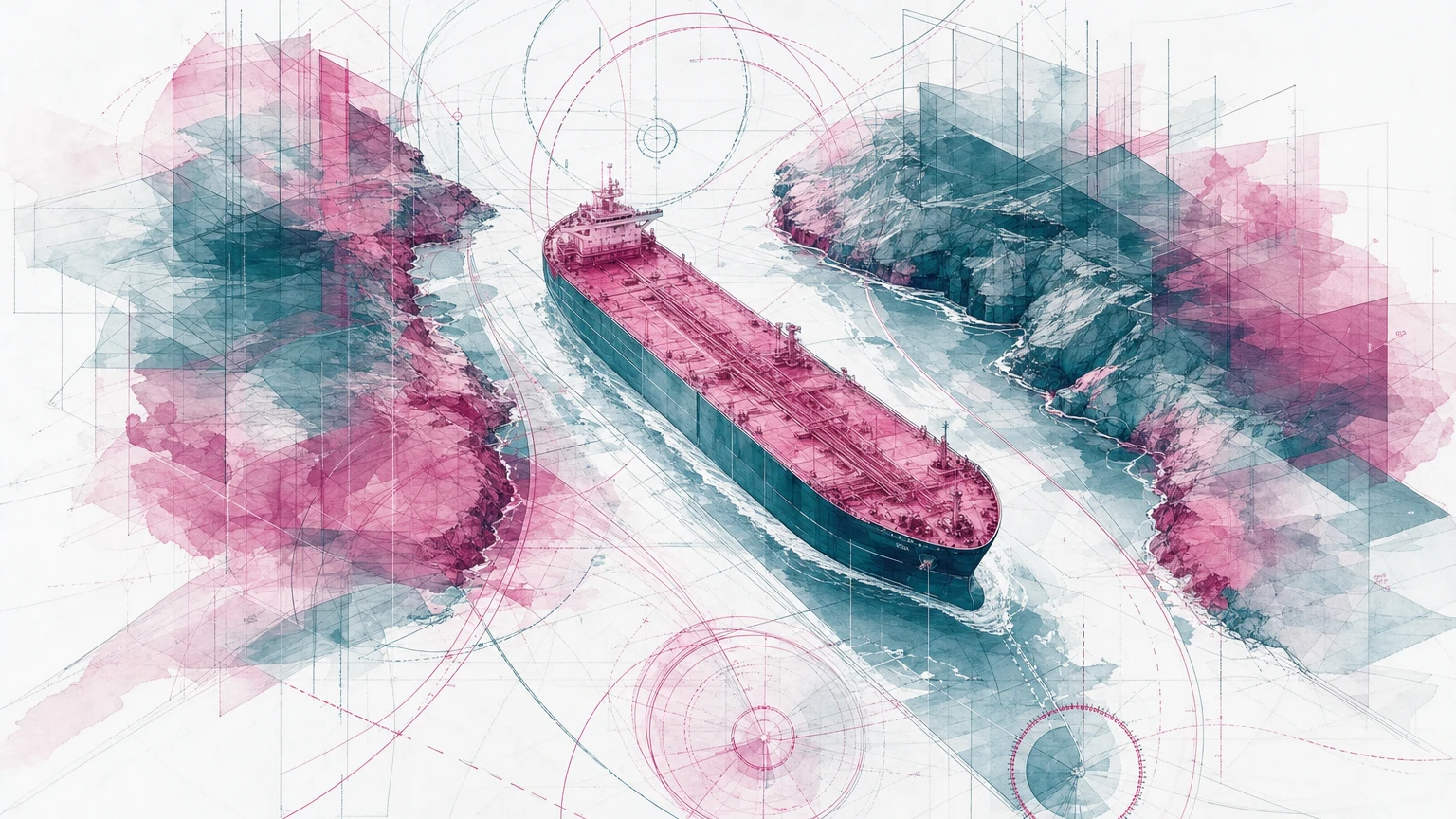
Hormuz reopened, but the threat that closed it didn’t
For three months, a 33-kilometer strait was enough to disrupt 20% of the world’s oil supply. The US-Iran deal moves the Brent price, not the underlying logic.
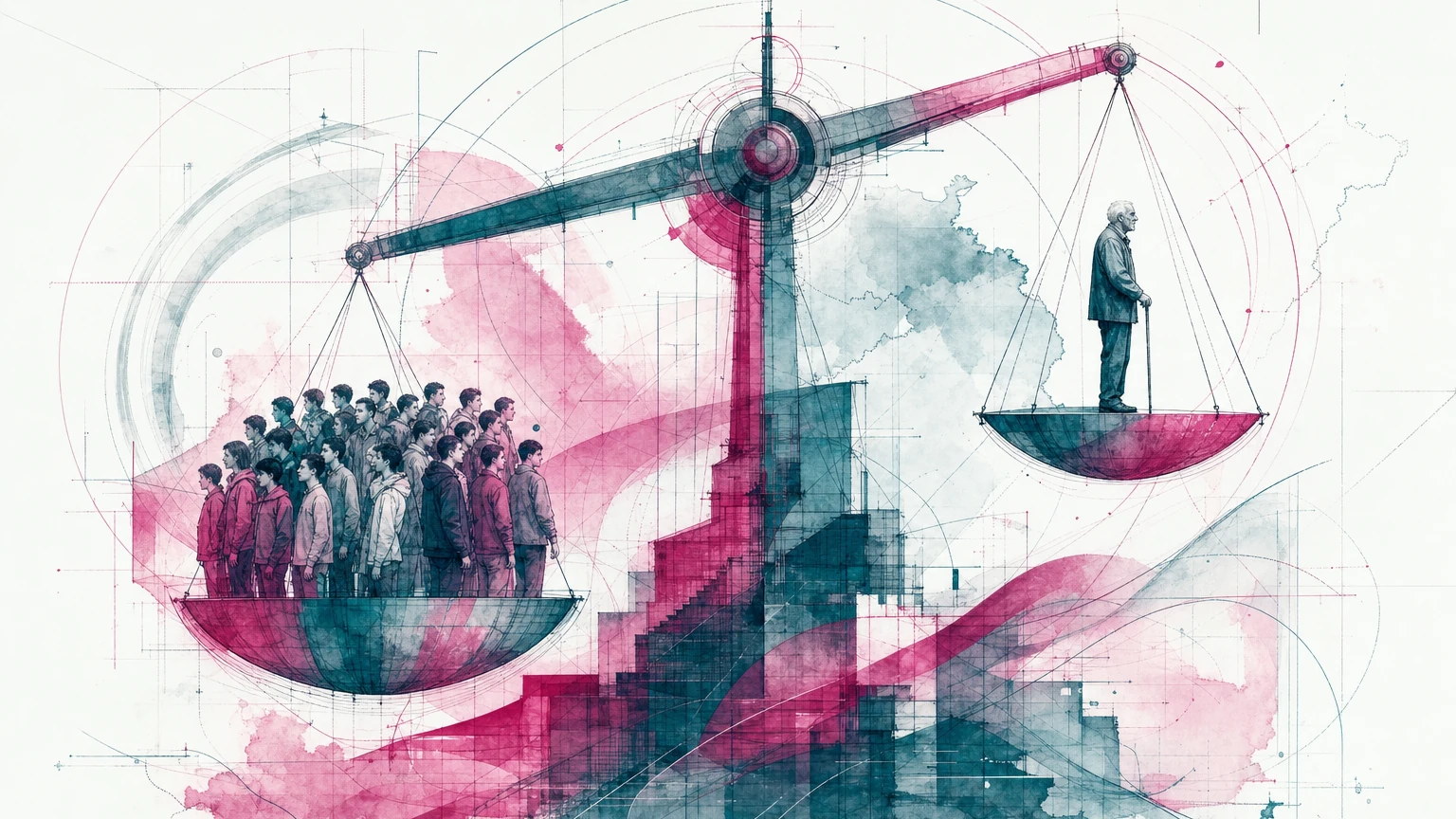
India is ageing, decades earlier than expected
India has just entered its demographic ageing phase, earlier than expected. A structural shift whose mechanical, long-term effects will unfold over decades.

Alphabet raises $80B: who can still compete in AI
Alphabet just raised $80 billion for AI infrastructure in a single operation. Less a corporate announcement than a structural signal about who still gets to compete at the top of this industry.
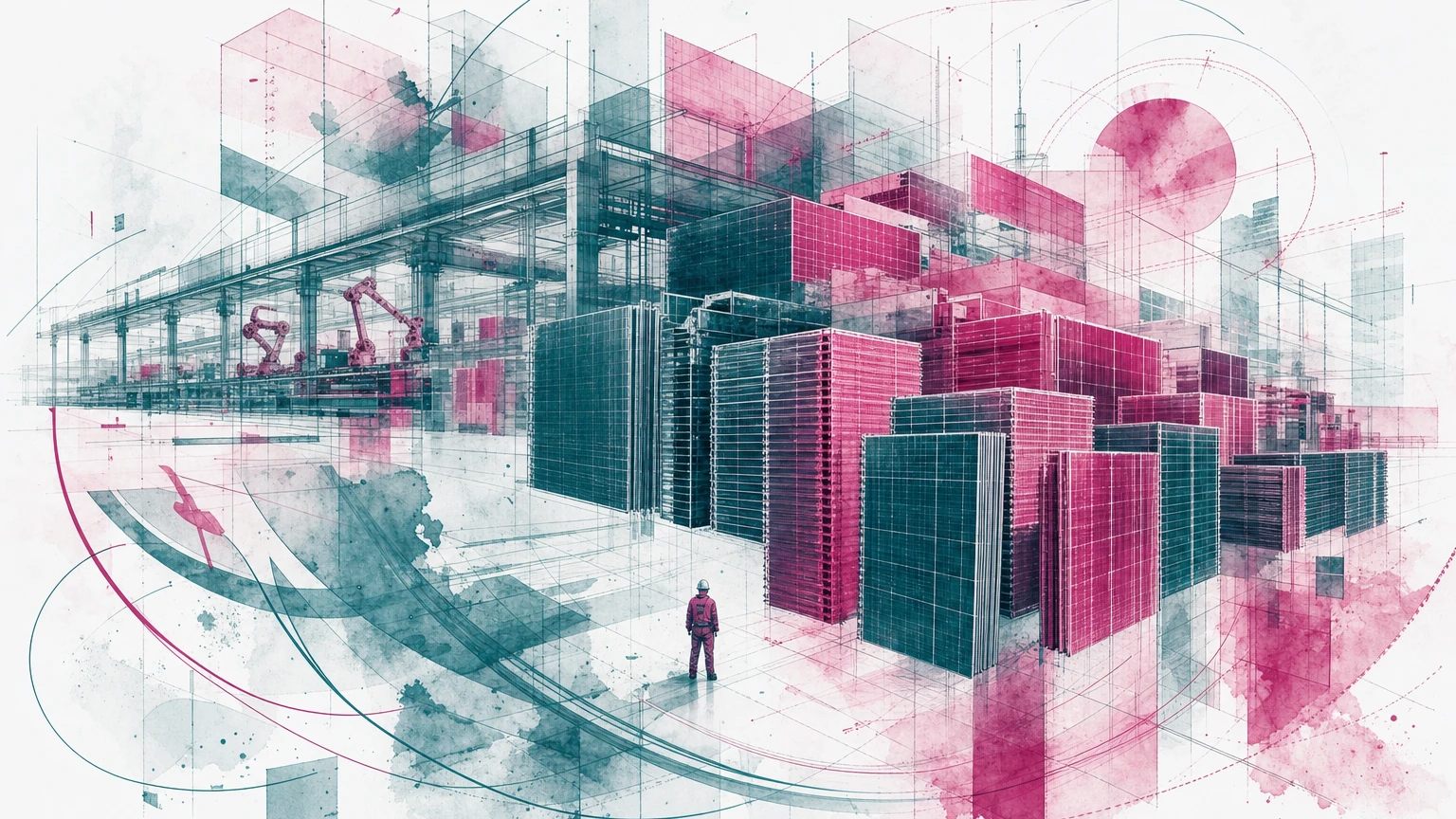
China makes 80% of solar panels, and loses billions
China is breaking solar export records in the wake of the Gulf conflict. Its manufacturers are deep in the red. The paradox of an industry undone by its own success.

SpaceX IPO: $1.8T valuation on $18.7B of revenue
Investment banks are pricing SpaceX at USD 1.8 trillion for a company that lost USD 4.94 billion last year. That is not a miscalculation, it is a method. And that method applies to every valuation you will ever read.

Meta bought Manus. China made it undo the deal
Meta acquired Manus for $2 billion. Four months later, the Chinese government ordered the deal unwound. A global first that shows how mergers and acquisitions, the operations that reshape jobs, products and strategies worldwide, can fail in ways no one anticipated.
US debt interest now tops the entire defense budget
For the first time since the 1990s, US net interest payments on the federal debt exceed the entire national defense budget: $952 billion versus $886 billion. On May 16, 2025, Moody’s stripped the US of its triple-A, the last of the three major rating agencies to do so. A signal markets already knew. A mechanism most people have never seen explained.
Starship V3 flies: the real stakes of the space race
On May 22, 2026, SpaceX launched Starship V3, the most powerful rocket ever built. Behind the spectacle, three things were at stake at once: a race to land humans on the Moon before 2030, a stock market debut targeted for June 12 at a $1.75 trillion valuation, and the expansion of Starlink, the only division in the company already turning a profit.
US tariffs struck down: global trade awaits a judge
In 78 days, two US tariff programs were struck down in court. This is not just a legal dispute: it signals that global value chains are now operating without stable ground rules, and every link in the chain is absorbing the cost.

The Fed’s new chair won by the narrowest vote ever
54–45: the narrowest confirmation vote in Federal Reserve history.
When a president tries to fire the Fed chair
On April 15, Donald Trump threatened to fire Federal Reserve Chair Jerome Powell if he doesn’t leave his post by May 15.
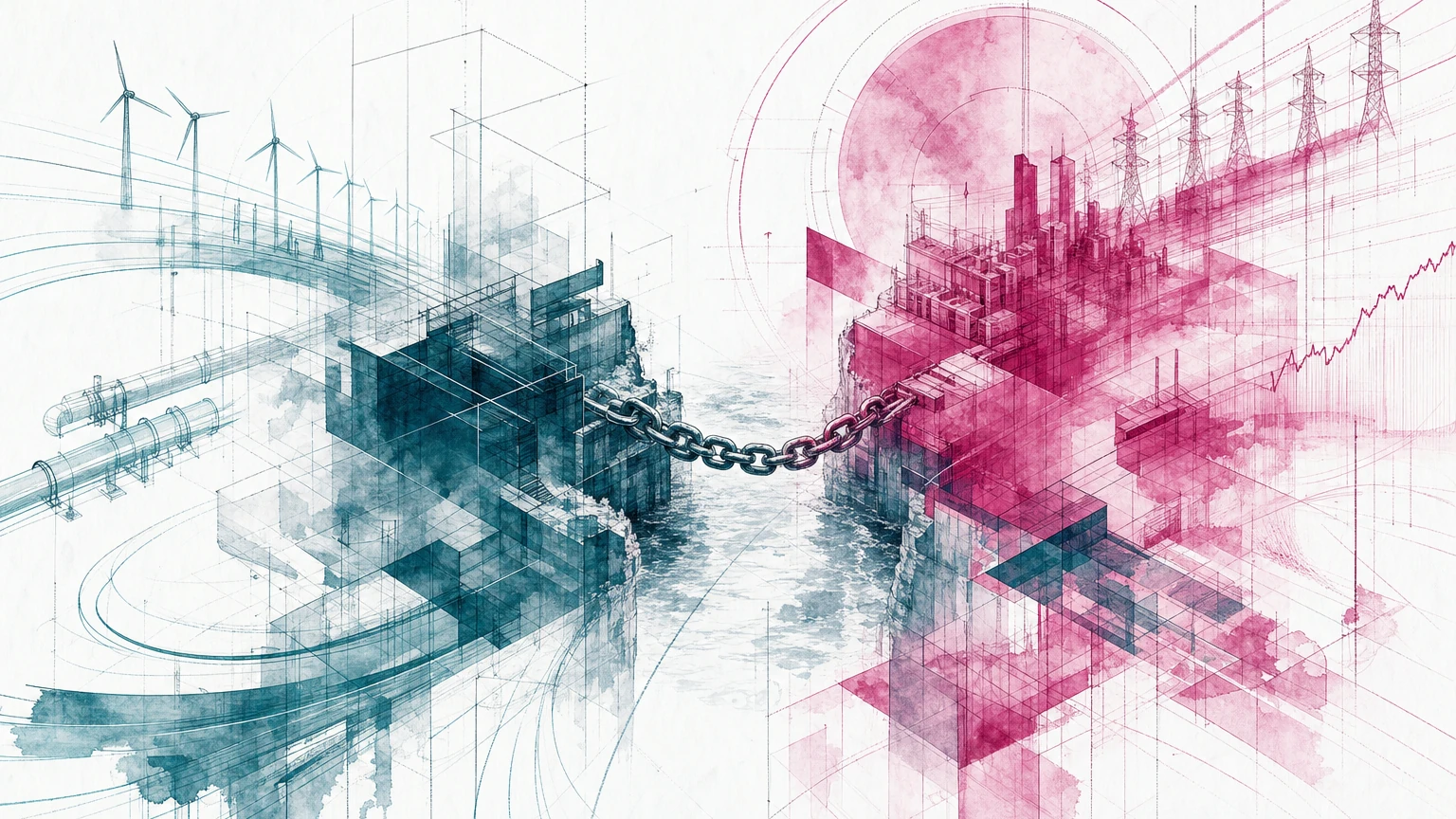
Energy transition is about power, not just climate
The IMF just revised global growth downward because a single strait closed. That’s not a climate story. It’s a sovereignty story, and it’s exactly what the energy transition is really about.

China adds 3 years of work, the world will follow
On January 1, 2025, China raised its official retirement age for the first time in 70 years. It won’t be the last country to do so, and the mechanism driving that decision is the same one reshaping pension systems on every continent.
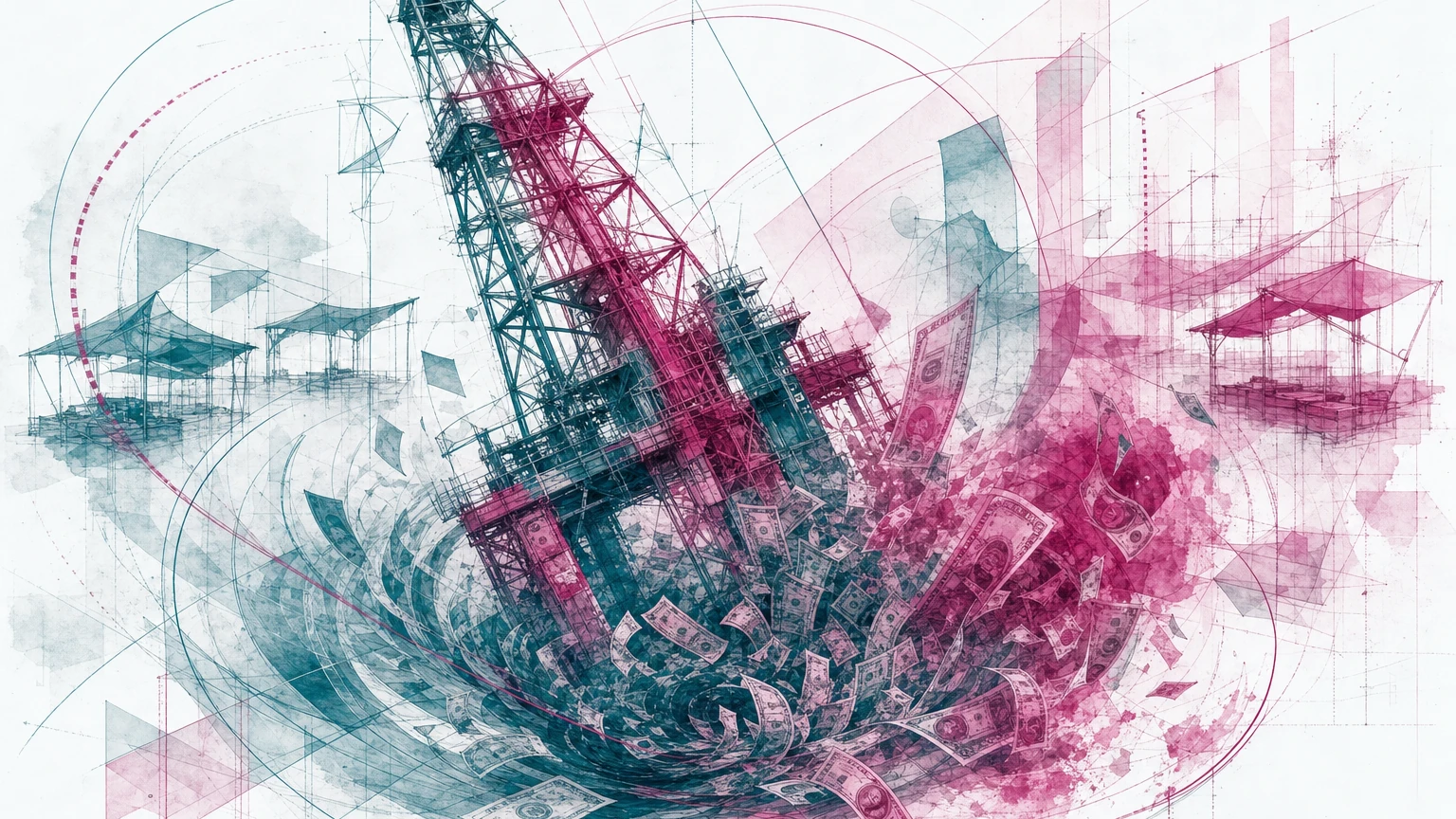
Venezuela had the most oil, then killed its currency
Venezuela once had the largest proven oil reserves in the world. By 2018, its currency had lost 99.9% of its value, and a kilo of tomatoes cost more than a monthly salary. What the collapse of the bolivar reveals about the mechanics, and the political roots, of hyperinflation.