The World & Us

Media and information
You have never had access to so much information, and never trusted it so little. Behind that paradox lies an economic shift: advertising has left newsrooms for three platforms, and falsehood travels six times faster than truth. Understanding this link changes the way you read the news.

Political systems and democracy
For the second year running, the planet holds more autocracies than democracies. Yet almost nobody openly rejects democracy. How can a model so widely desired retreat so fast? This Fundamental decodes the four main regime types, measures the scale of the shift, and reveals why decline no longer comes through coups, but through legal reforms.

Germany’s pensions don’t add up: enter Sweden
Germany is debating a structural overhaul of its pension system, drawing on the Swedish model. What’s at stake in Berlin is not a simple parametric fix, it’s a question of whether a pay-as-you-go system can still absorb an accelerating demographic squeeze.

Hormuz reopened, but the threat that closed it didn’t
For three months, a 33-kilometer strait was enough to disrupt 20% of the world’s oil supply. The US-Iran deal moves the Brent price, not the underlying logic.

Demographic transition: aging, fertility, consequences
Global fertility has been halved over sixty years. At the same time, the share of people aged 65 and over has doubled. This dual shift is placing unprecedented pressure on pension systems, labor markets, and economic growth. The question is no longer whether this will happen: it already has.
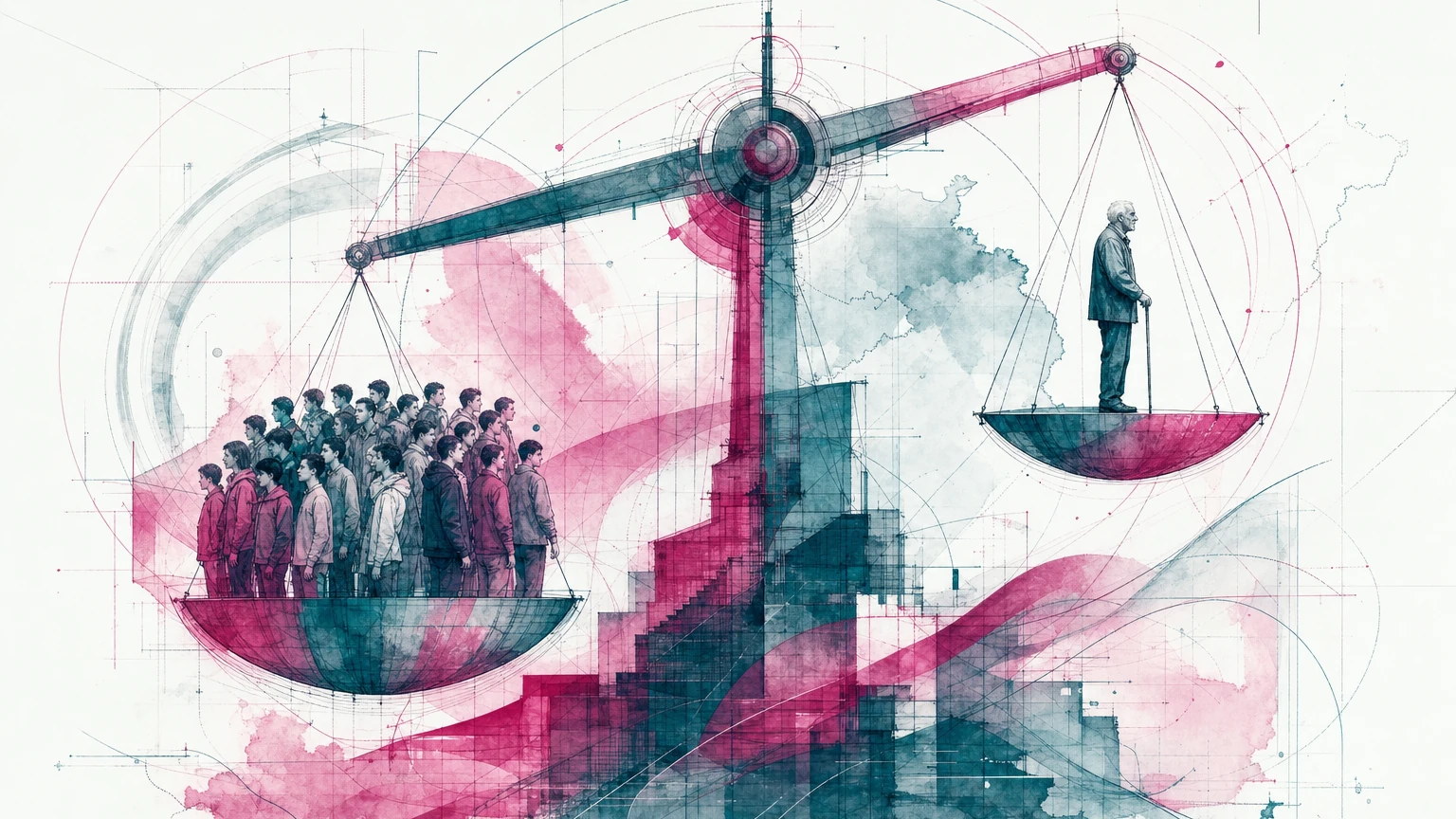
India is ageing, decades earlier than expected
India has just entered its demographic ageing phase, earlier than expected. A structural shift whose mechanical, long-term effects will unfold over decades.

International migration: flows, causes and impact
The countries tightening immigration rules the most are often those facing the sharpest labour shortages. This paradox is no accident: it reveals the structural tension between economics, demographics, and sovereignty that migration has exposed for thirty years.

China adds 3 years of work, the world will follow
On January 1, 2025, China raised its official retirement age for the first time in 70 years. It won’t be the last country to do so, and the mechanism driving that decision is the same one reshaping pension systems on every continent.
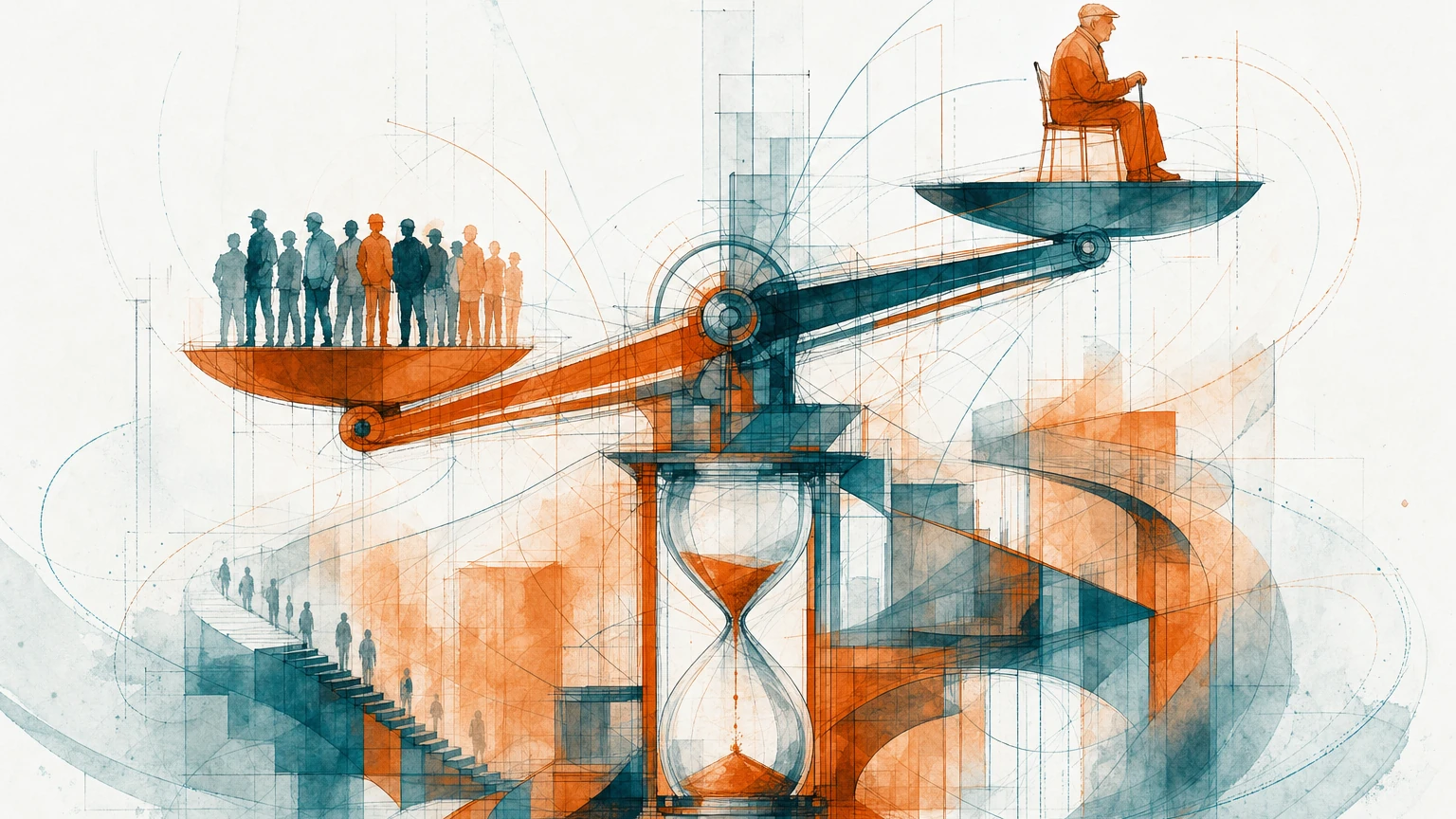
Retirement systems: demographics, funding and reform
In 1970, every retiree was backed by more than five workers. Today that ratio has collapsed, and most people don’t realize their pension system was never designed to survive this shift. A complete breakdown of how retirement funding works, why it’s under pressure, and what reform actually looks like.

International institutions: who really sets the rules
The IMF, the World Bank, the WTO, the UN Security Council, these institutions shape global decisions that affect billions of people, yet most of us couldn’t explain what distinguishes one from another. How they were built, what power they actually hold, and where their limits lie.

Natural resources: control, scarcity and geopolitics
Oil, lithium, fresh water, sand: natural resources rarely dominate public conversation until prices spike or two countries go to war over their control. Understanding how they are distributed worldwide and what governs their value is the key to decoding a large share of global economic and geopolitical news.
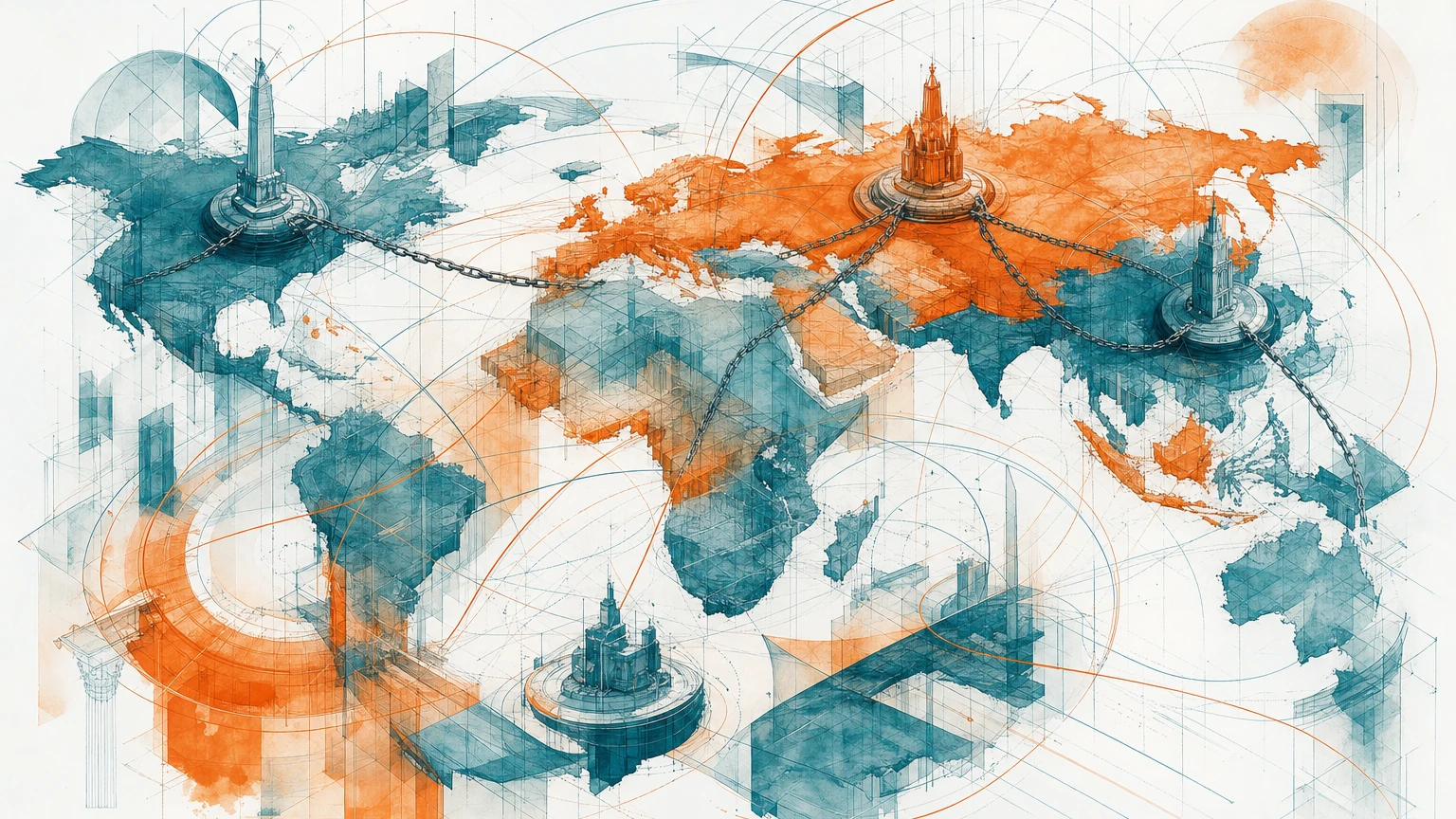
Global geopolitics: the forces that shape the world
Every conflict, every trade dispute, every alliance makes more sense once you understand the underlying geography, interests, and power dynamics. A structured framework for reading the international order, from great-power competition to regional flashpoints, without a degree in political science.

Venezuela had the most oil, then killed its currency
Venezuela once had the largest proven oil reserves in the world. By 2018, its currency had lost 99.9% of its value, and a kilo of tomatoes cost more than a monthly salary. What the collapse of the bolivar reveals about the mechanics, and the political roots, of hyperinflation.