Economies don’t grow in straight lines. They expand, overheat, contract, and recover, in patterns that repeat, even if the triggers vary. How to read economic cycles, what the leading indicators actually signal, and why understanding this rhythm changes how you interpret almost any piece of financial news.
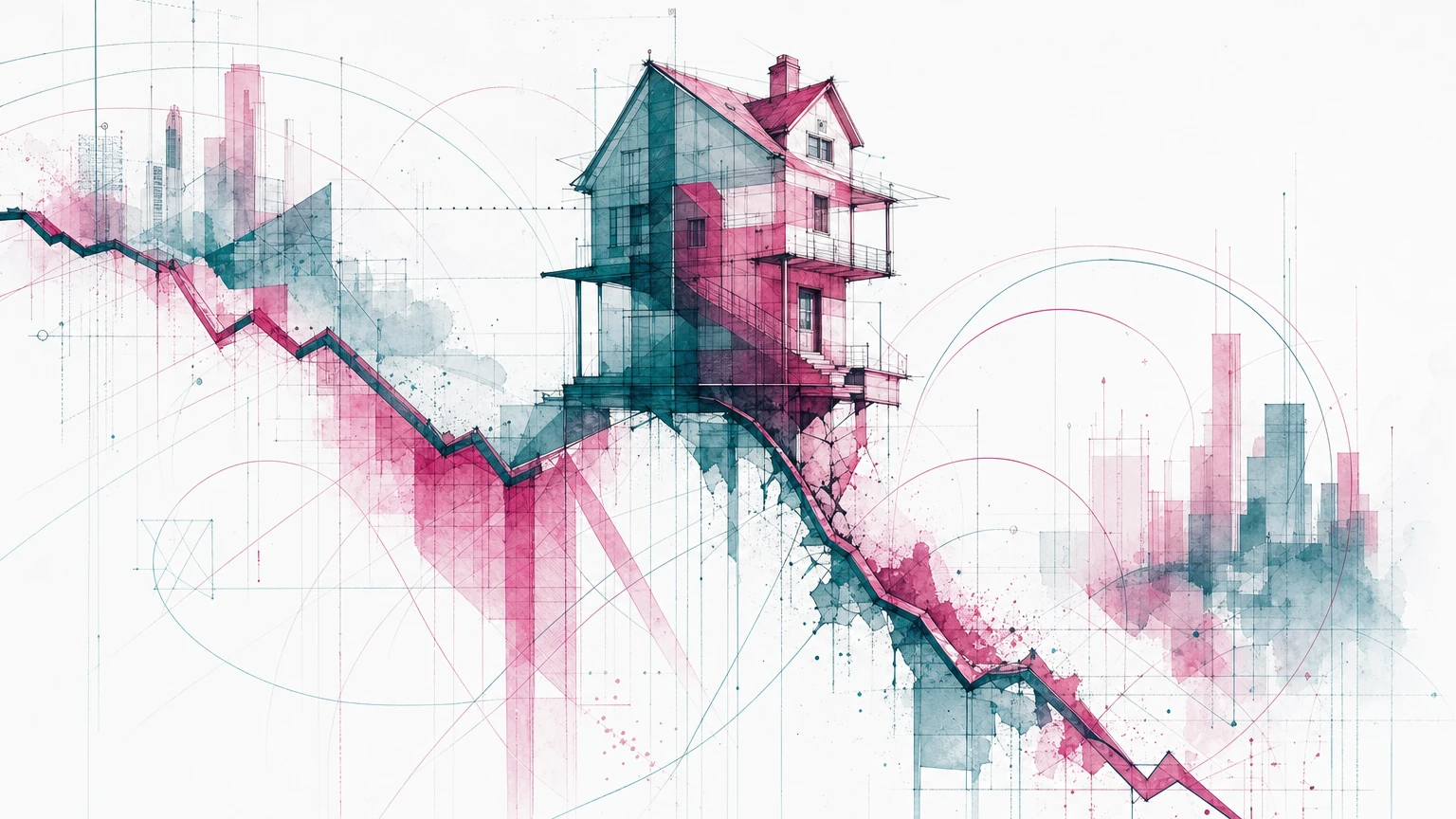
Every few years, headlines sound familiar: “Recession Looming,” “Speculative Bubble,” “Record Growth.” These terms recur constantly, as if the global economy follows a perpetual pendulum between euphoria and crisis.
This alternation is not random. For over two centuries, market economies have gone through predictable cycles: expansion phases where growth seems infinite, followed by brutal recessions, then gradual recoveries. These economic cycles structure our daily lives without us always being aware: they determine whether you’ll easily find a job, whether your savings will earn or lose value, whether your business will prosper or need to lay off staff.
Understanding these cycles means understanding why the economy never grows linearly, why financial markets sometimes seem irrational, and above all how to anticipate the upheavals that will affect your personal and professional life. Whether you’re an employee, entrepreneur, investor, or simply a citizen, economic cycles directly concern you.
This article provides the missing fundamentals to decode these recurring mechanisms, identify where we stand in the current cycle, and make informed decisions based on these structural dynamics.
We use audience-measurement (statistics) cookies to understand how the site is used. Cookies strictly necessary for the site to work are always on. Cookie policy
Cookie preferences
Choose which cookie categories you allow. Your choice is stored for six months and can be changed at any time.
NecessaryAlways on
Essential for the site to work: session, security, remembering your cookie choice. Always on.
Anonymous audience measurement (Google Analytics) to understand site usage and improve it.