Demographics
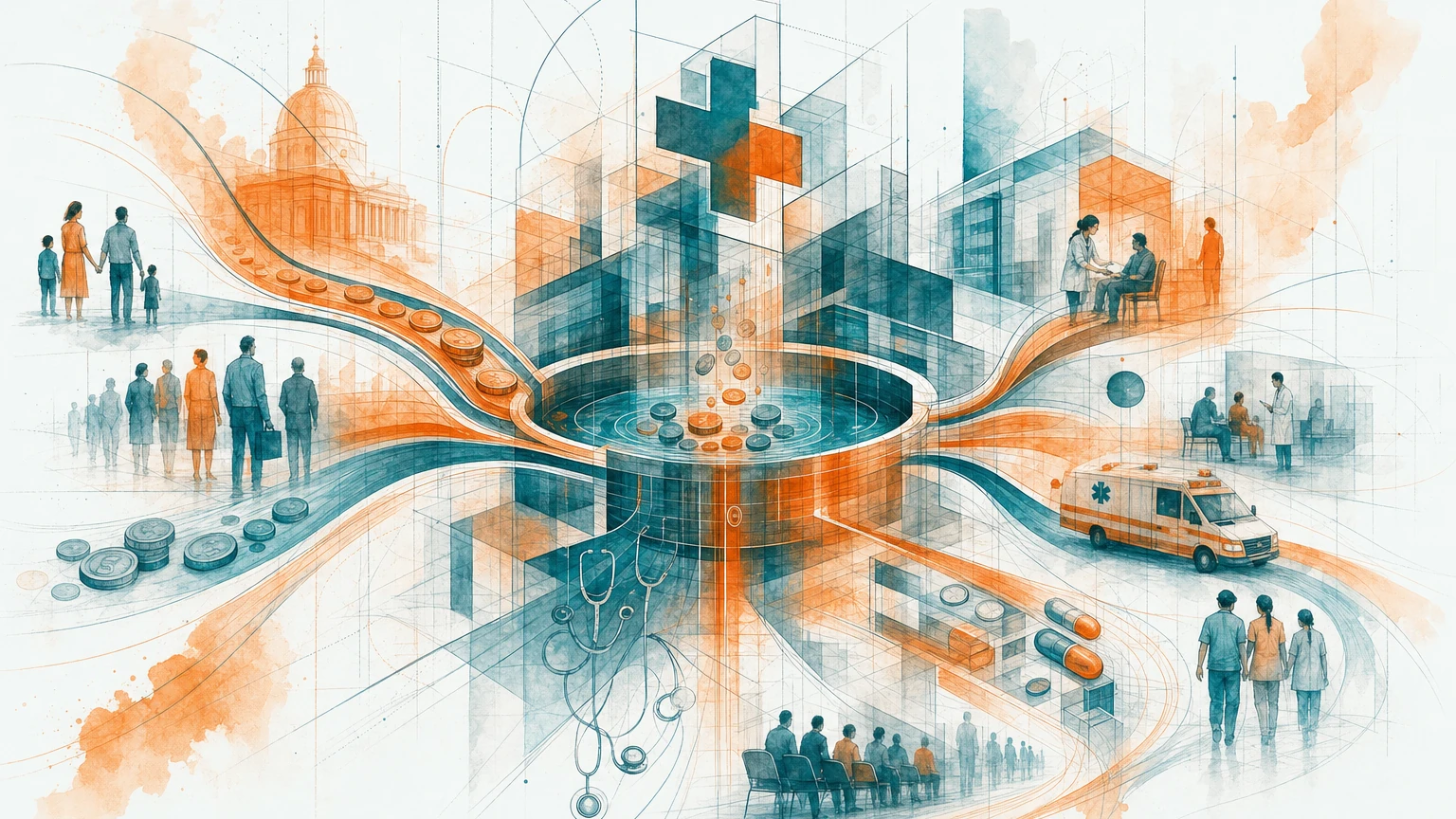
Health systems: how they are funded and what they deliver
The United States spends two and a half times the OECD average on health, and lives nearly three years less. Spending measures neither the quality of care nor the protection of patients. Behind every system sit three functions, four financing models and one universal trade-off. Every system rations care somewhere: the only question worth asking is where the constraint has been placed, and who quietly pays for it.

Germany’s pensions don’t add up: enter Sweden
Germany is debating a structural overhaul of its pension system, drawing on the Swedish model. What’s at stake in Berlin is not a simple parametric fix, it’s a question of whether a pay-as-you-go system can still absorb an accelerating demographic squeeze.
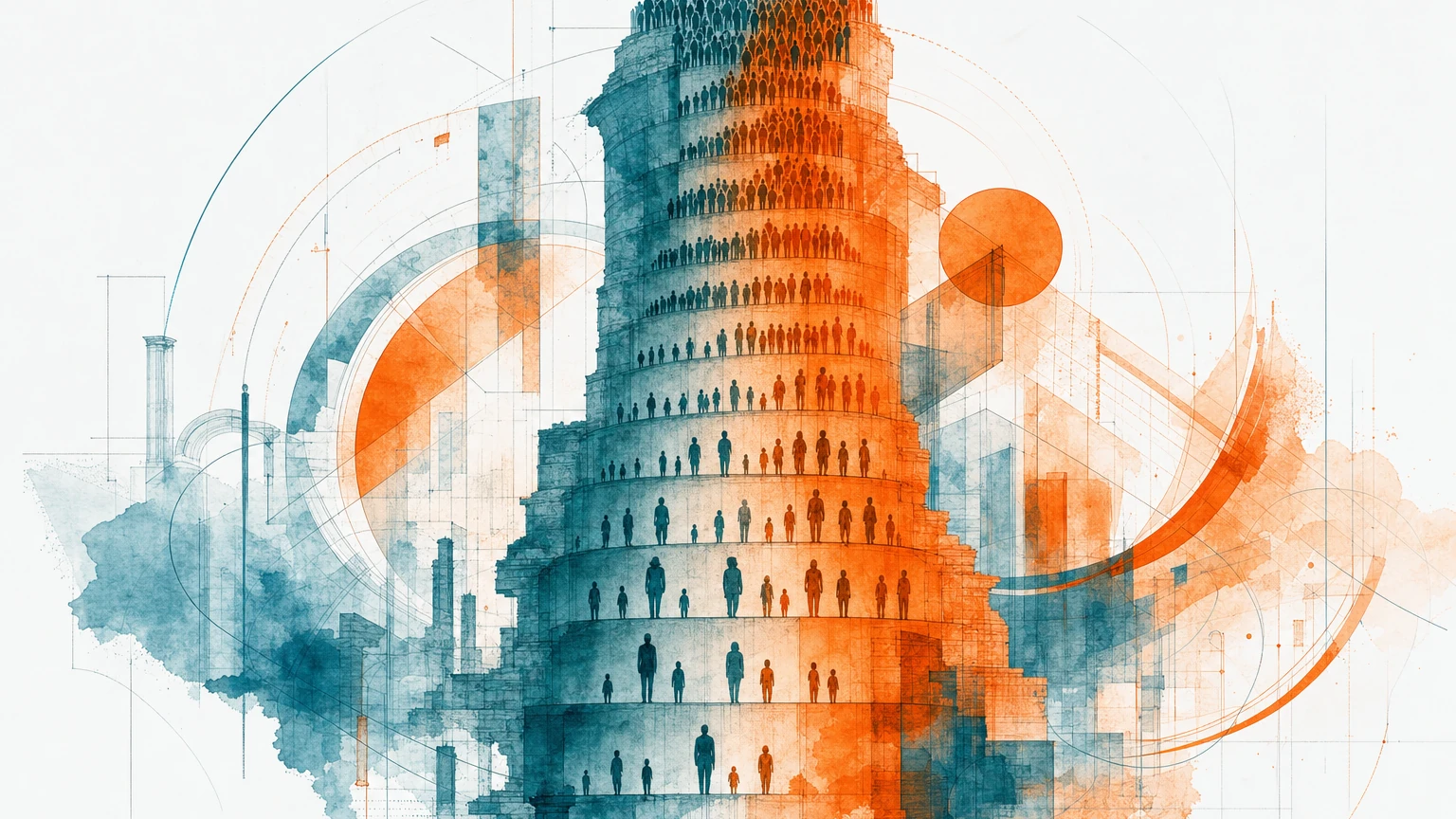
Demographic transition: aging, fertility, consequences
Global fertility has been halved over sixty years. At the same time, the share of people aged 65 and over has doubled. This dual shift is placing unprecedented pressure on pension systems, labor markets, and economic growth. The question is no longer whether this will happen: it already has.
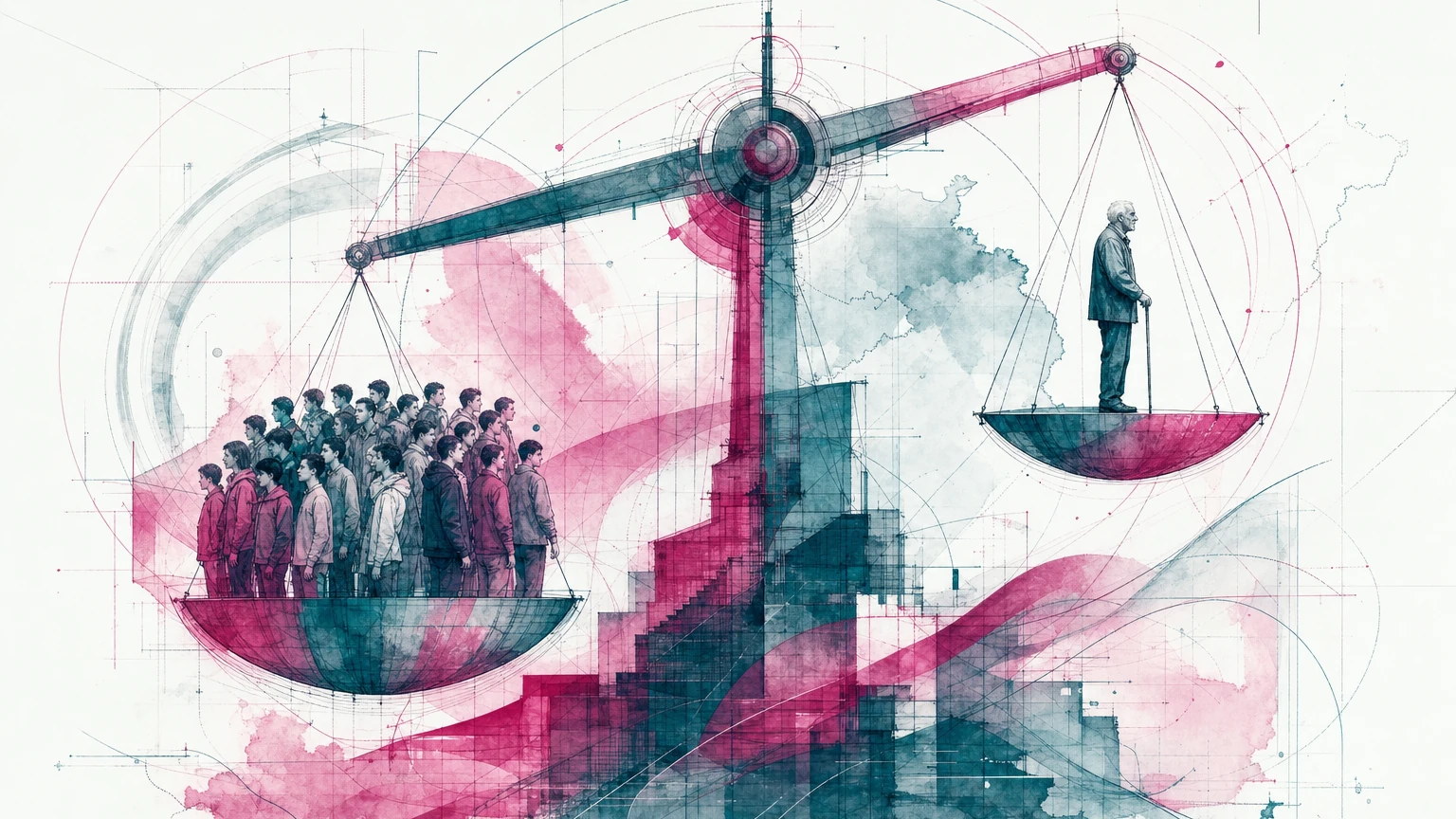
India is ageing, decades earlier than expected
India has just entered its demographic ageing phase, earlier than expected. A structural shift whose mechanical, long-term effects will unfold over decades.

International migration: flows, causes and impact
The countries tightening immigration rules the most are often those facing the sharpest labour shortages. This paradox is no accident: it reveals the structural tension between economics, demographics, and sovereignty that migration has exposed for thirty years.
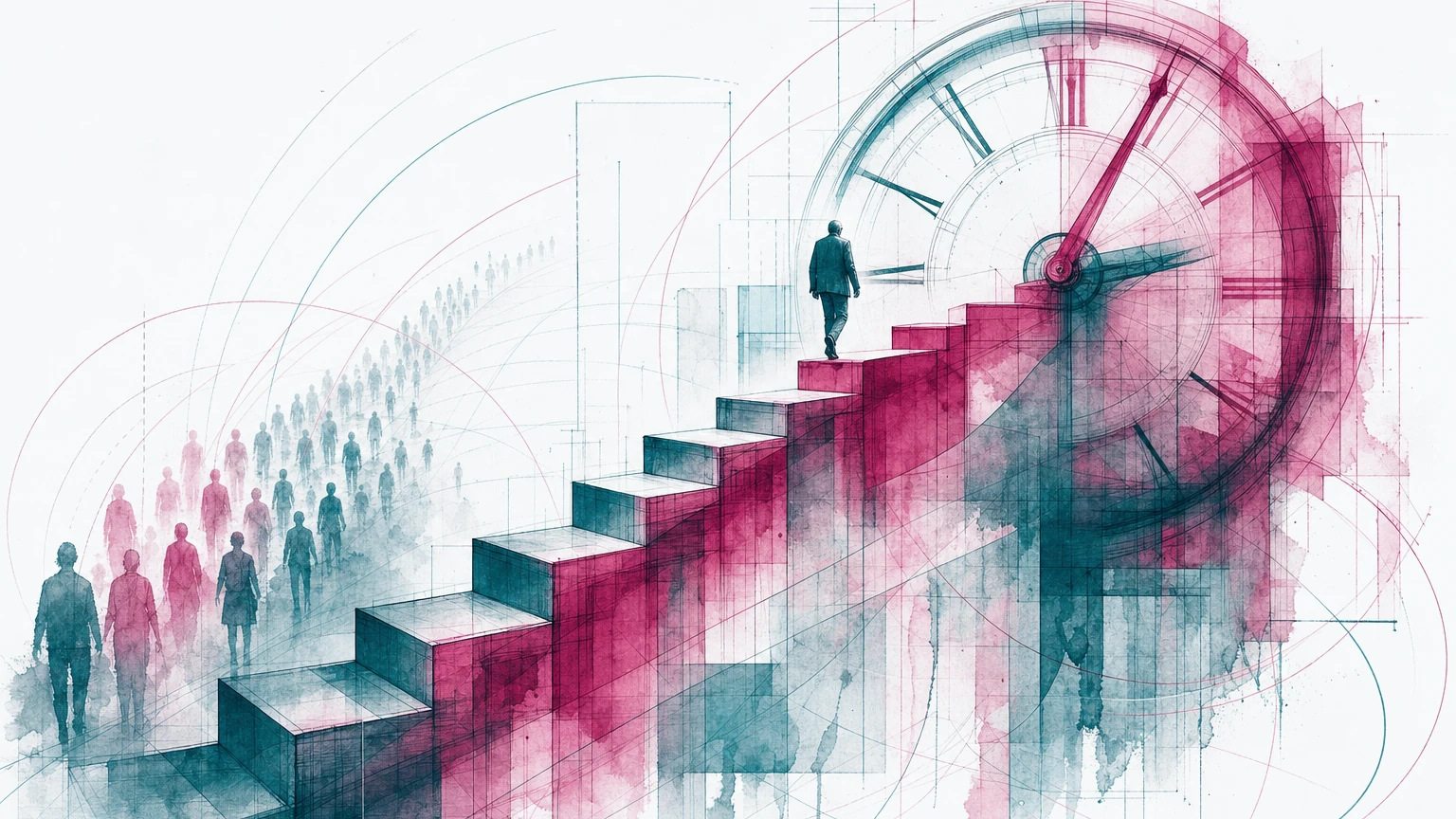
China adds 3 years of work, the world will follow
On January 1, 2025, China raised its official retirement age for the first time in 70 years. It won’t be the last country to do so, and the mechanism driving that decision is the same one reshaping pension systems on every continent.
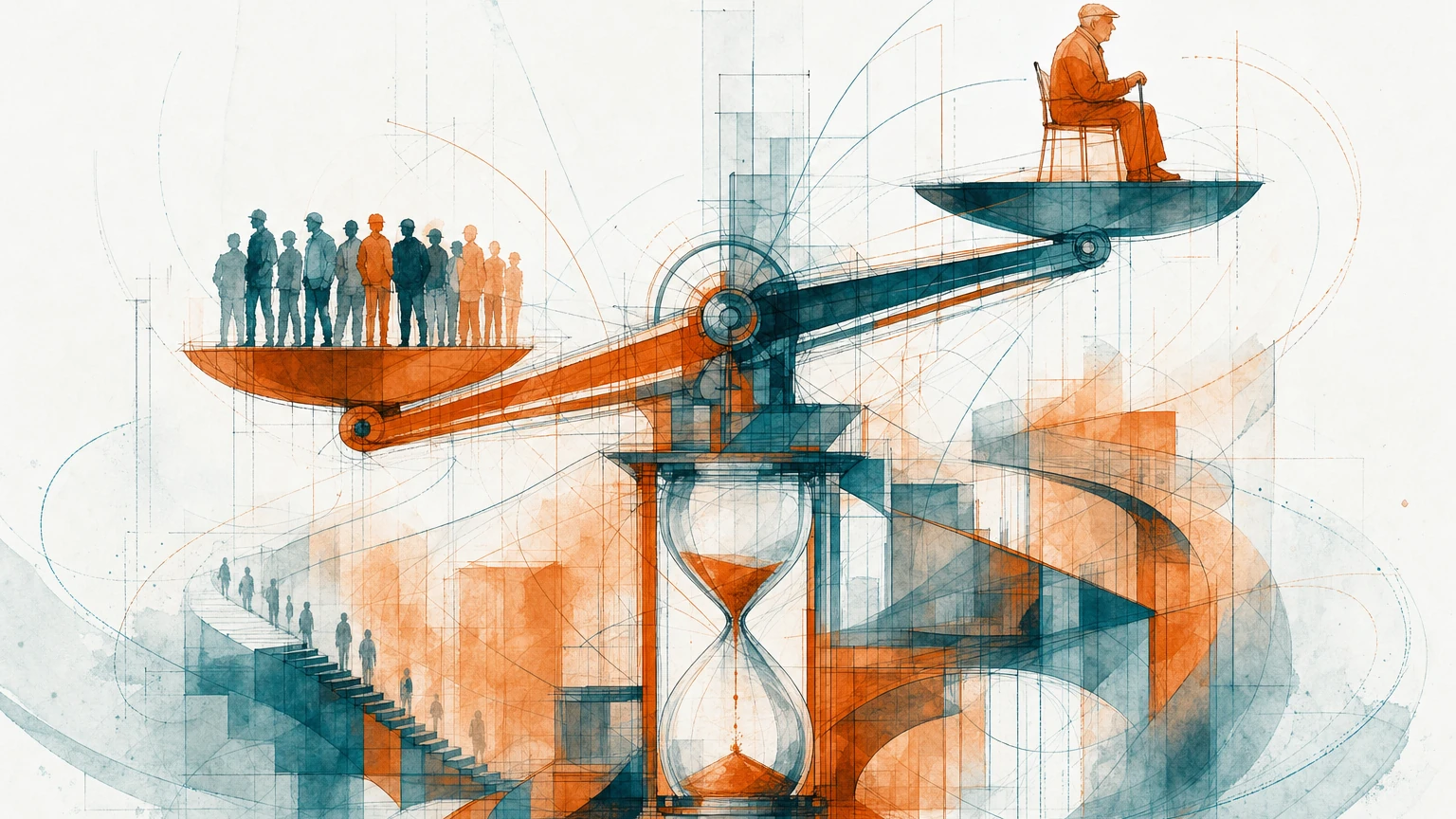
Retirement systems: demographics, funding and reform
In 1970, every retiree was backed by more than five workers. Today that ratio has collapsed, and most people don’t realize their pension system was never designed to survive this shift. A complete breakdown of how retirement funding works, why it’s under pressure, and what reform actually looks like.
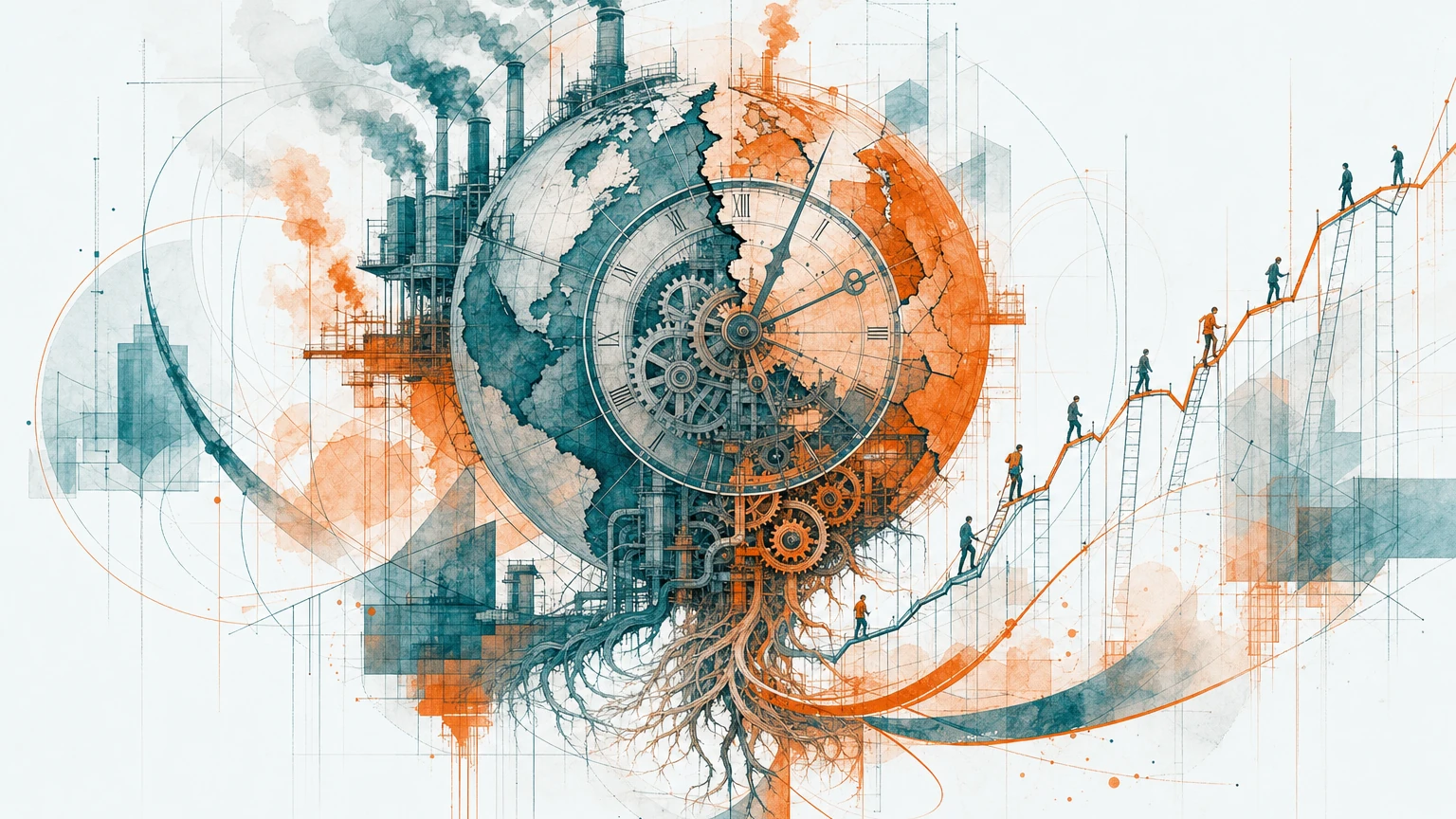
Economic growth: sources, drivers and limits
GDP has multiplied by more than tenfold in advanced economies since 1950. Yet forecasters now expect the next decades to look nothing like the last. What actually drives growth, why it slows, and whether the historical model can still hold, the foundational concepts behind every economic outlook.
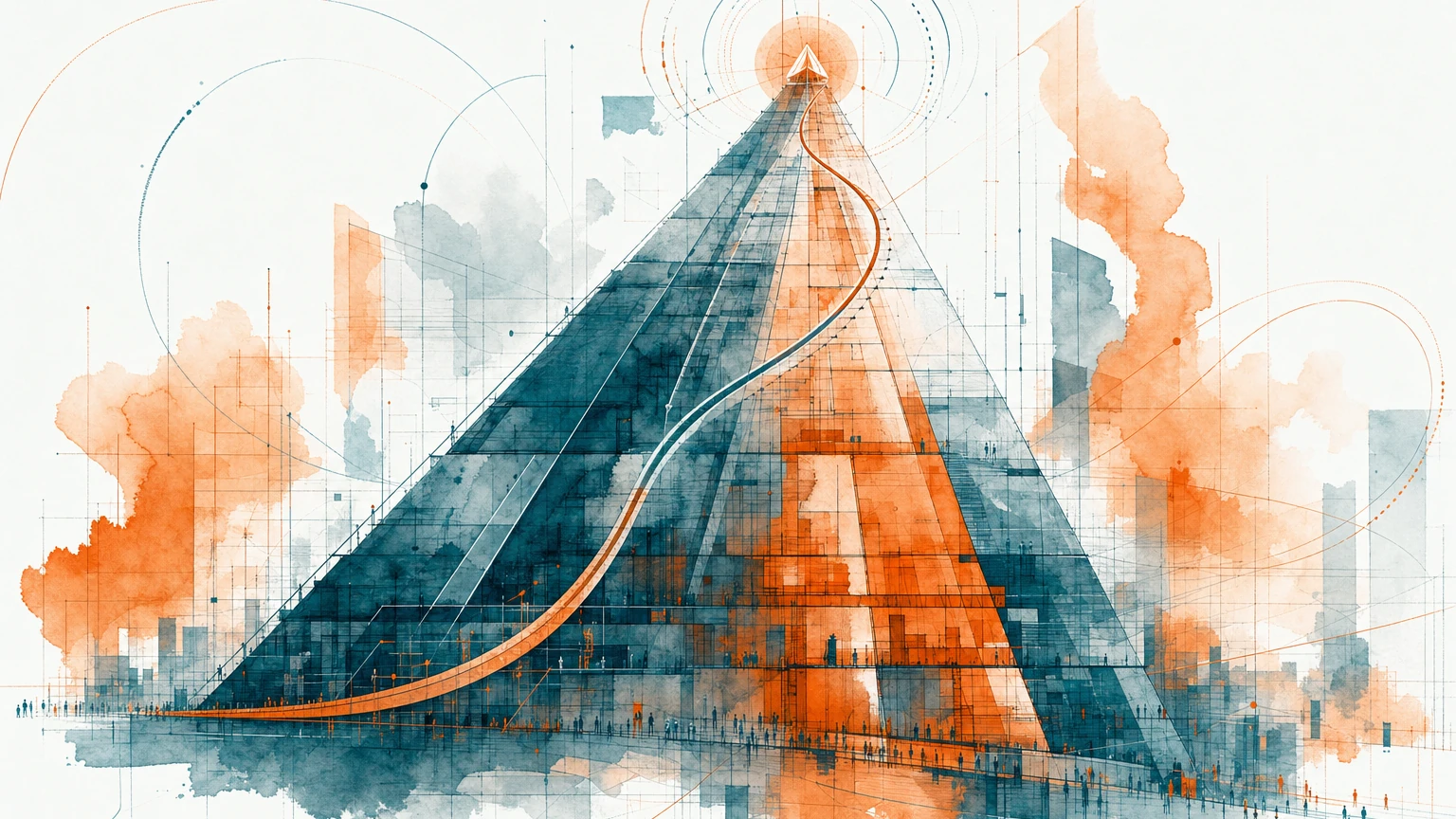
Economic inequalities: measurement and evolution
The richest 1% now hold more wealth than the bottom 50% combined. But that figure alone tells you less than you’d think, what matters is understanding how inequality is measured, why different metrics yield different conclusions, and what the data actually shows about its evolution over time.