Europe

Value creation: when a giant grows yet loses worth
Volkswagen wants to cut up to 100,000 jobs to restore profitability. Behind the clash lies a forgotten mechanism: a company can sell millions of vehicles and still destroy value once its return on capital falls below its cost of funding.
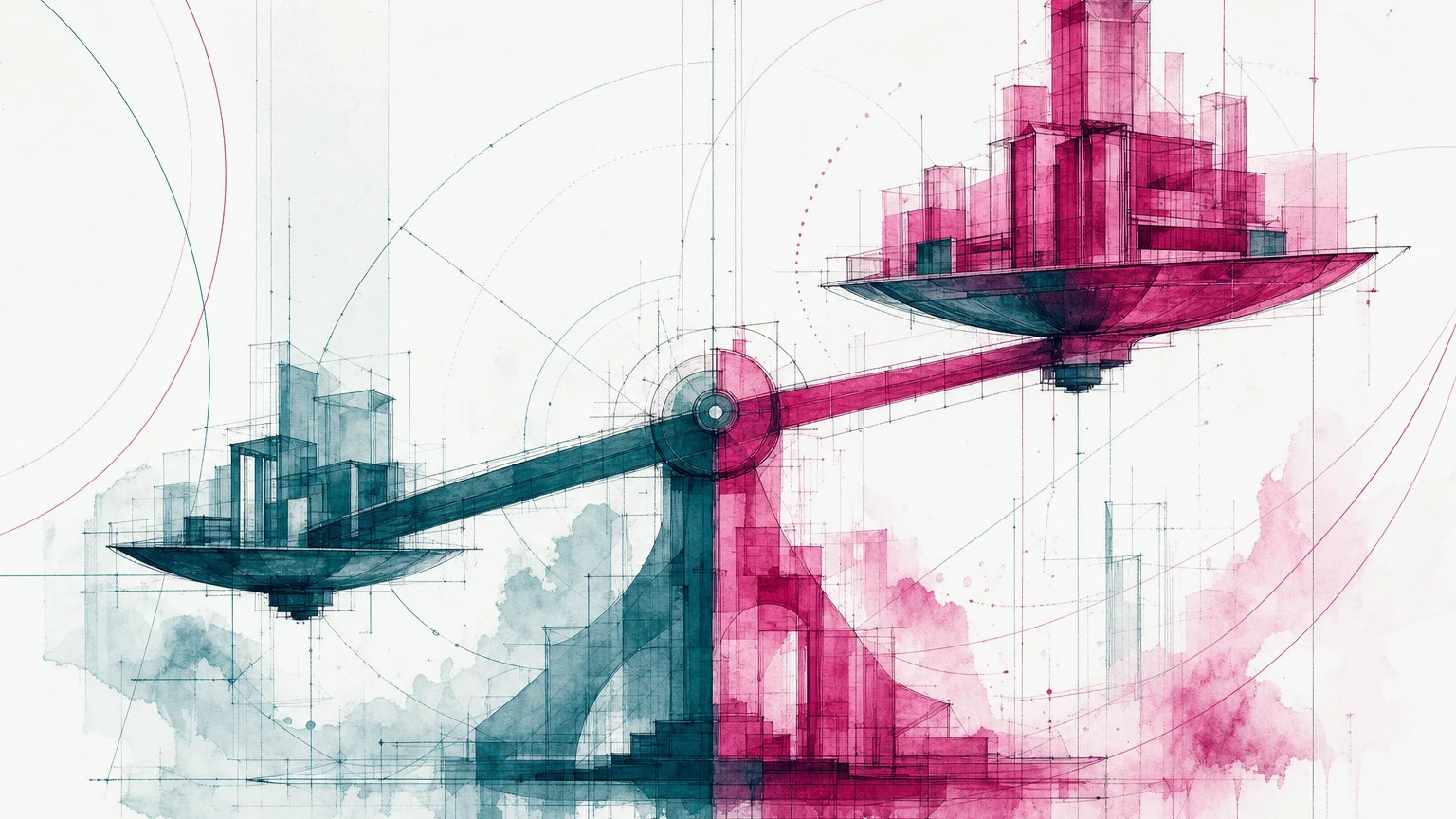
Germany’s pensions don’t add up: enter Sweden
Germany is debating a structural overhaul of its pension system, drawing on the Swedish model. What’s at stake in Berlin is not a simple parametric fix, it’s a question of whether a pay-as-you-go system can still absorb an accelerating demographic squeeze.
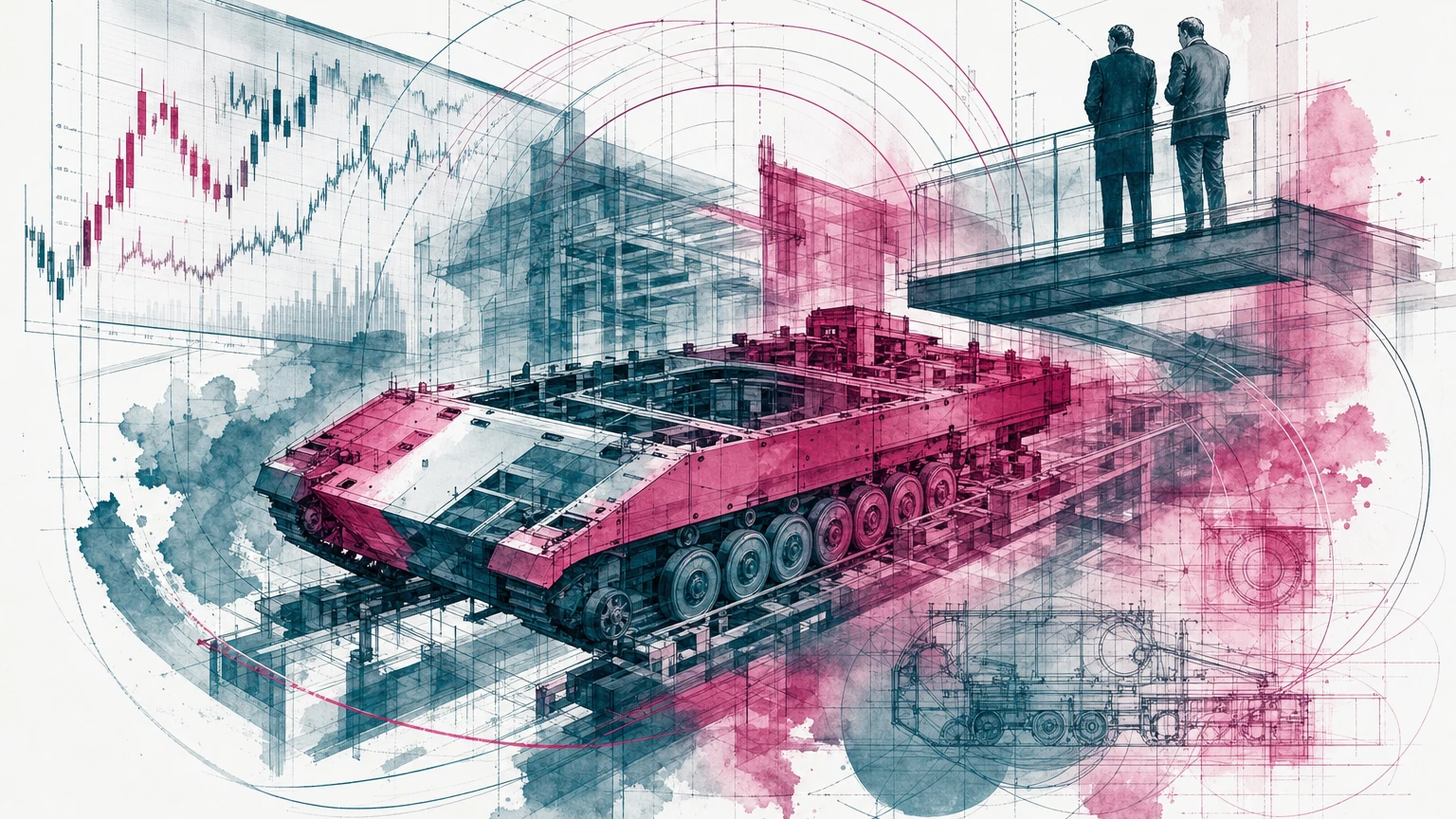
KNDS IPO: governments buy in before the public can
Europe is rearming at full speed, and KNDS is going public to finance the acceleration. But in this IPO, governments buy in first, and the public gets what’s left.

Demographic transition: aging, fertility, consequences
Global fertility has been halved over sixty years. At the same time, the share of people aged 65 and over has doubled. This dual shift is placing unprecedented pressure on pension systems, labor markets, and economic growth. The question is no longer whether this will happen: it already has.
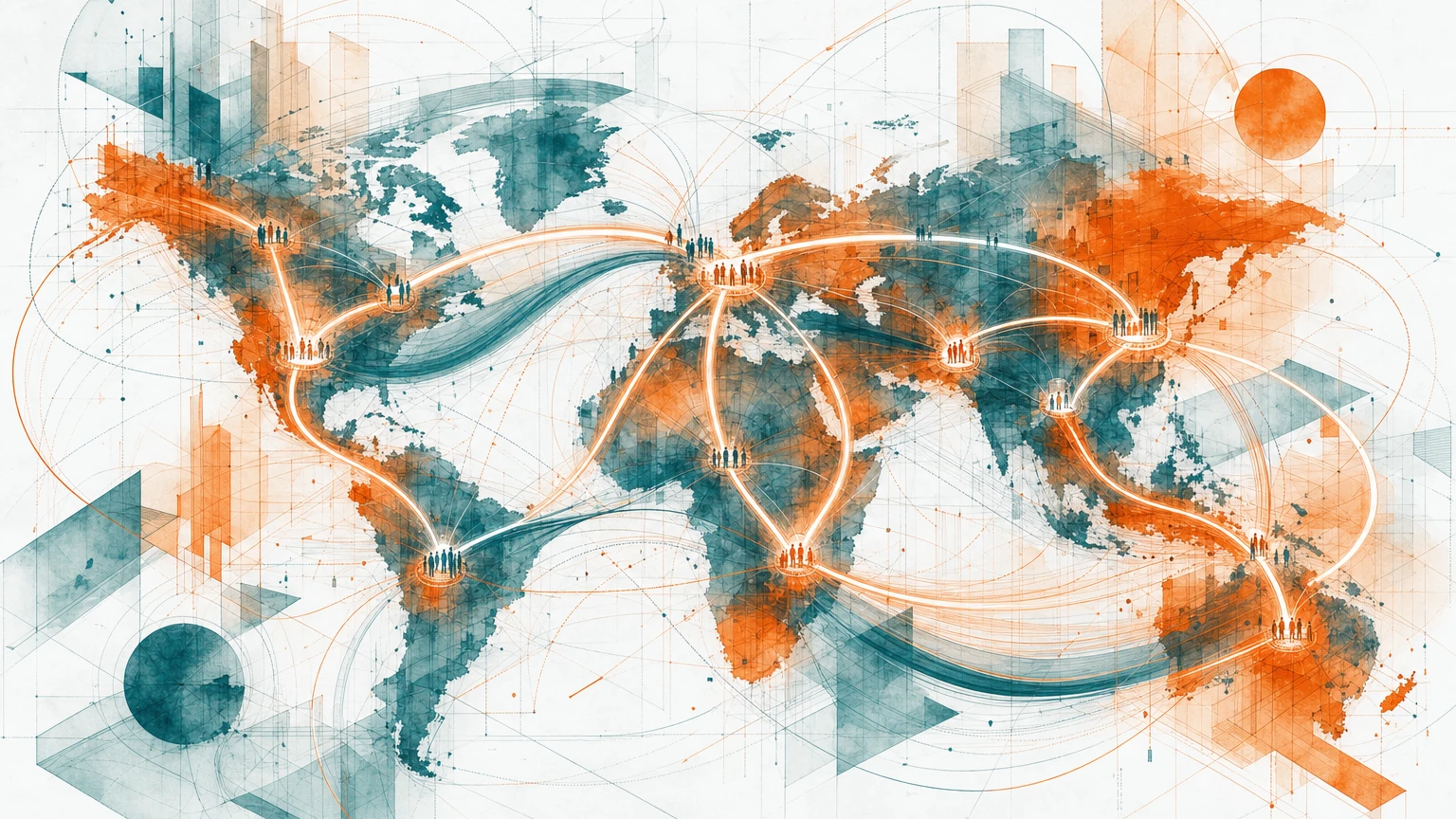
International migration: flows, causes and impact
The countries tightening immigration rules the most are often those facing the sharpest labour shortages. This paradox is no accident: it reveals the structural tension between economics, demographics, and sovereignty that migration has exposed for thirty years.

International institutions: who really sets the rules
The IMF, the World Bank, the WTO, the UN Security Council, these institutions shape global decisions that affect billions of people, yet most of us couldn’t explain what distinguishes one from another. How they were built, what power they actually hold, and where their limits lie.
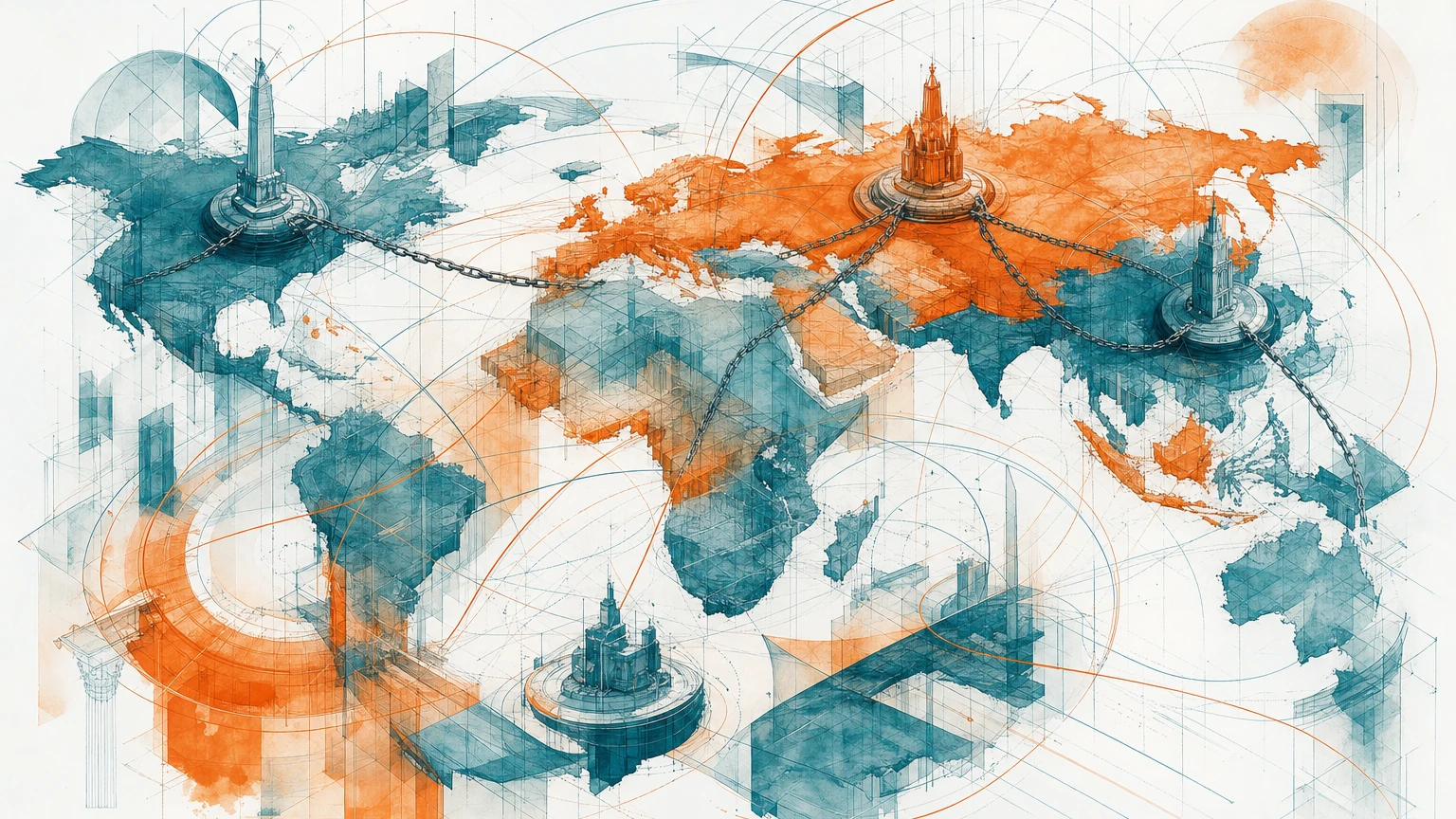
Global geopolitics: the forces that shape the world
Every conflict, every trade dispute, every alliance makes more sense once you understand the underlying geography, interests, and power dynamics. A structured framework for reading the international order, from great-power competition to regional flashpoints, without a degree in political science.