United States

Gulf allies stopped a US strike on Iran, and here is why
Washington called off a large-scale strike on Iran after requests from the Gulf, starting with Riyadh. Those countries host the bases the strike would have flown from. Hosting a foreign army means arming it, and it also means being able to hold it back.
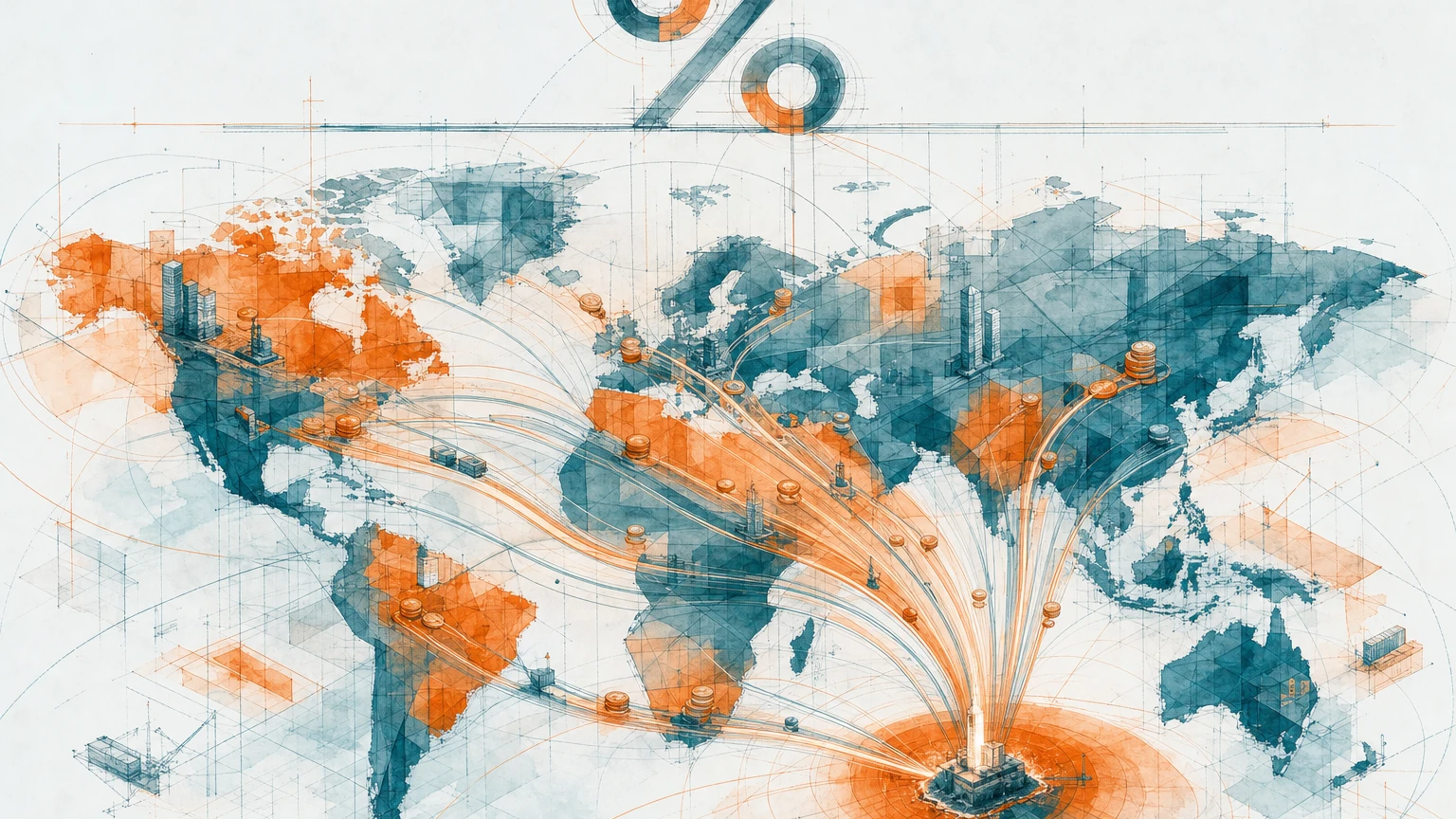
Corporate taxation: the quiet global race to the bottom
Corporate tax rates have halved in forty years, and yet public revenues broadly hold up. How can a company book billions in profit everywhere and be taxed almost nowhere? From transfer pricing to the 15 percent global minimum tax, this Fundamental decodes the mechanisms that decide where profit is really declared, and, in the end, who really funds the state.

Fed rate hike: markets triple the odds as oil tops $100
In one week, the market-implied probability of a Federal Reserve rate hike on July 29 jumped from 10.7% to 34.7%. Behind the reversal lies a precise chain: oil above $100 a barrel feeds inflation, and inflation commands monetary policy.
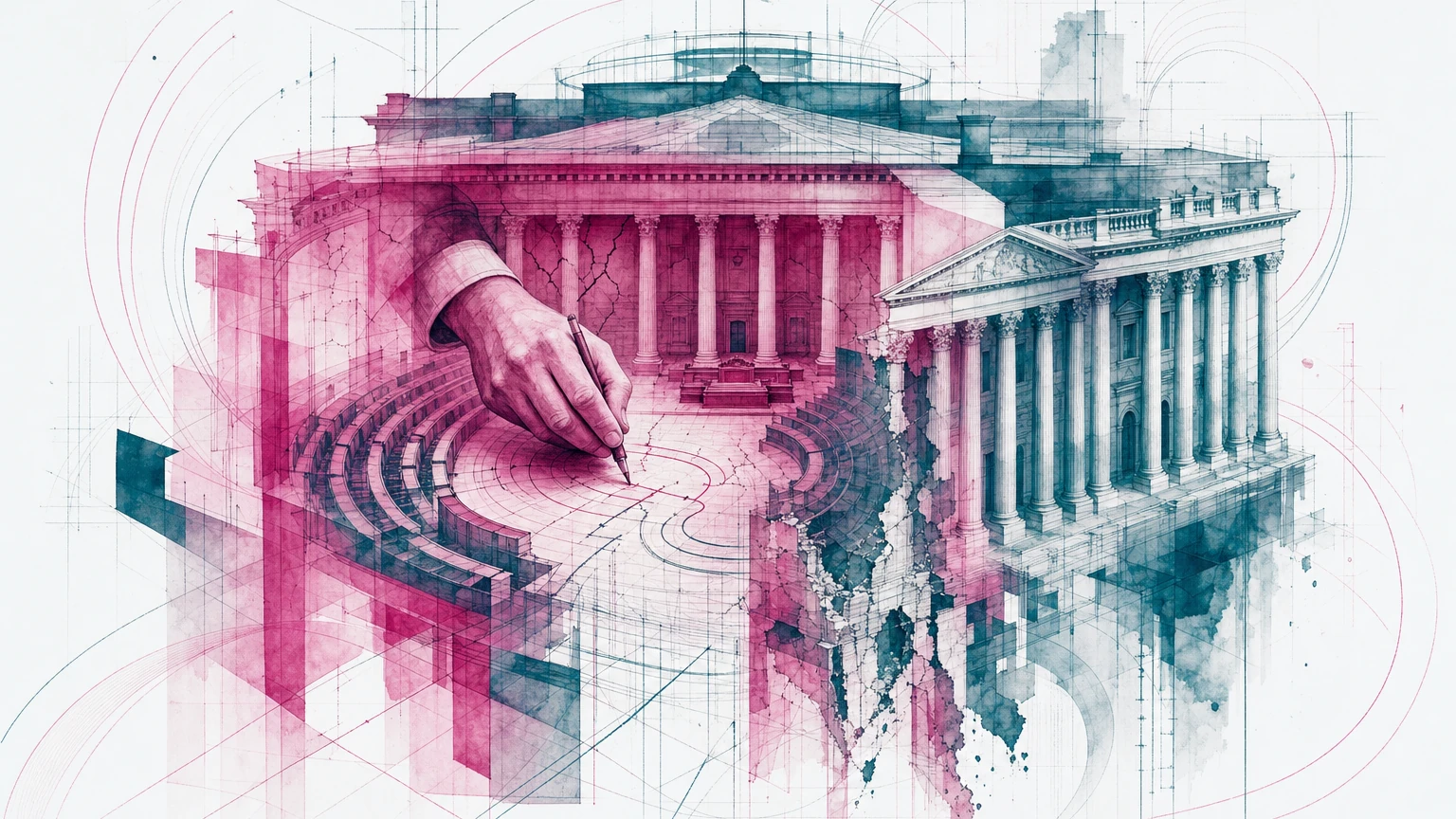
Why modern democracies erode from within, not by a coup
Armenia's ruling party wins again, the opposition warns of a democracy hollowed out from within. The case is not isolated: 44 countries are now autocratizing, many of them former democracies. Understanding how a regime tips without a coup, legally, is key to reading world affairs.
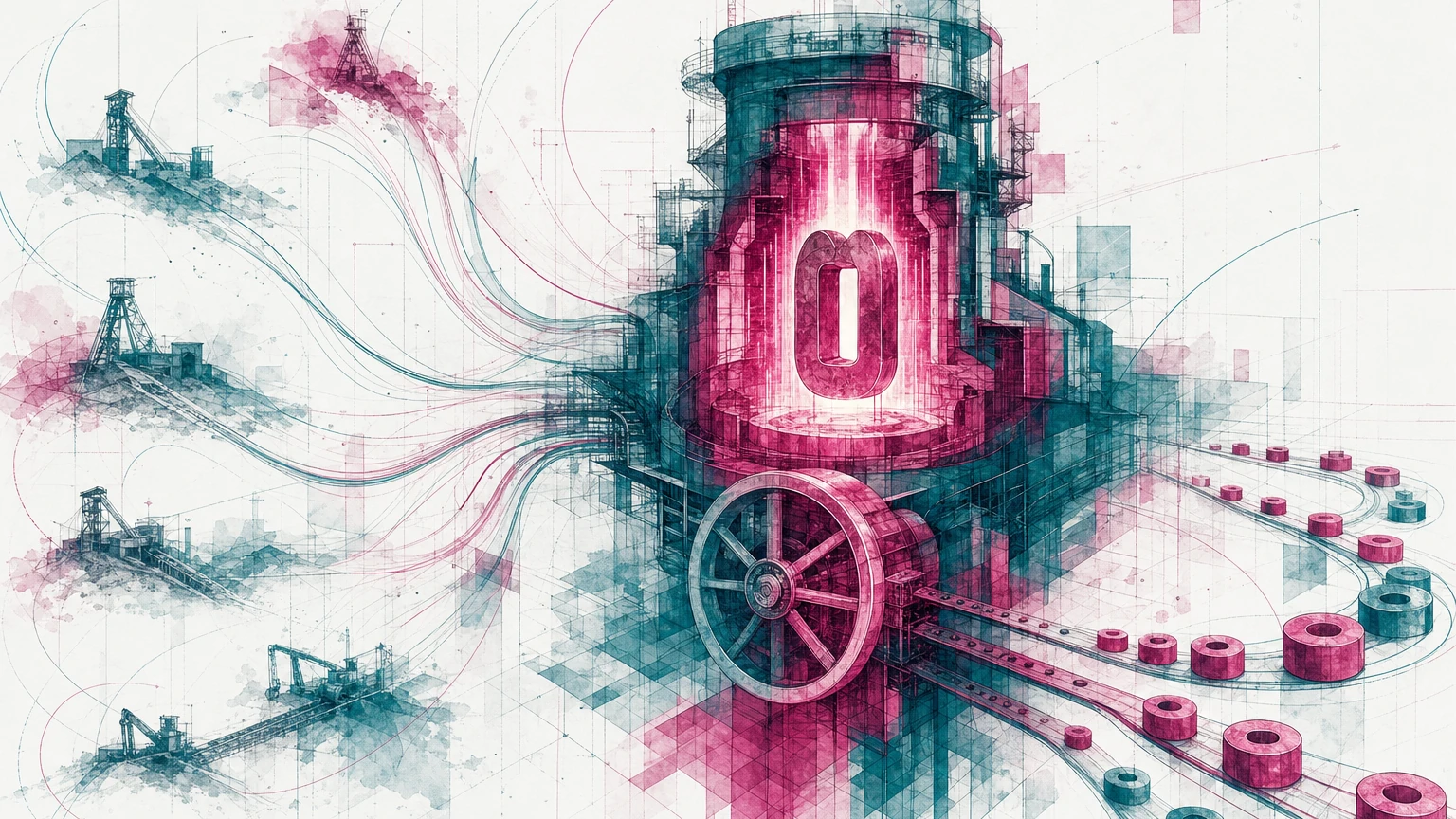
Rare earths: why China still controls the world’s magnets
Despite the 2025 trade truce, Chinese magnet exports to the United States remain about a fifth below their pre-trade-war level. Behind that figure sits a quiet mechanism: a country’s power over a resource is decided not in the ground, but in the plant that transforms it.
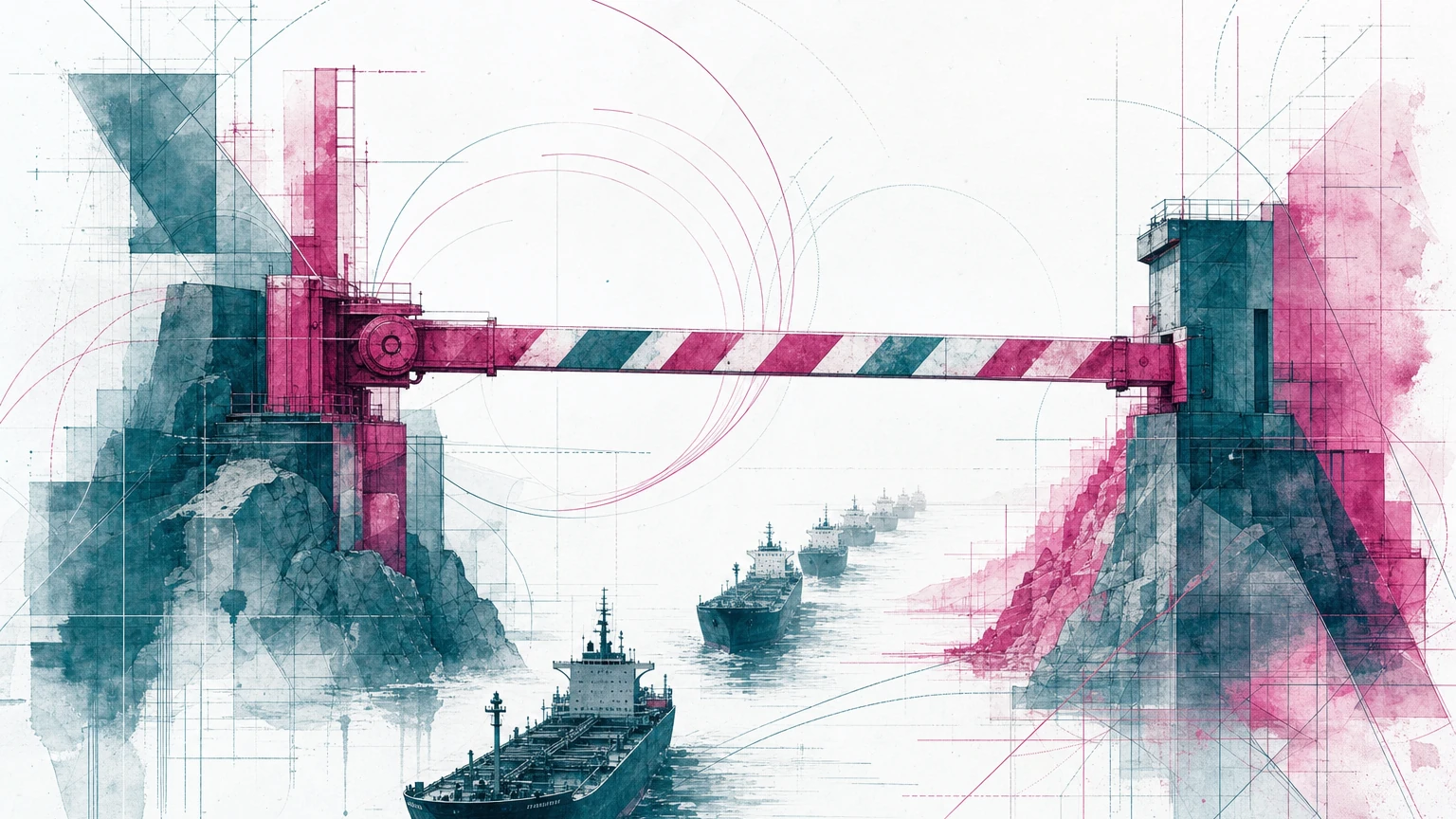
The Hormuz toll: who really owns an international strait
A 20% toll on every cargo, some $30 million per supertanker: Washington intends to charge for passage through the Strait of Hormuz. The International Maritime Organization says no legal basis exists. The dispute is less about oil than about an old question: who owns a waterway nobody dug?
IPO explained: Men’s Wearhouse owner returns to market
Tailored Brands, owner of Men’s Wearhouse, files for a US IPO five years after bankruptcy. A chance to understand what an initial public offering really is: a financing and liquidity tool bound by strict obligations, not a finish line.
5G and 6G: how mobile networks really work
You were promised self-driving cars and connected factories. You mainly gained one extra letter on your screen. While China installs millions of antennas and two billion people stay offline, 6G is already being marketed to you. This Fundamental unpacks what 5G really changed, who benefits from it, and why the next generation arrives before the previous one kept its promises.
Semiconductors: technology and geopolitics
A single territory makes close to 90 % of the planet's most advanced chips, and no one can replace it quickly. Behind every smartphone, car and server hides a global chain of unexpected fragility. A 627-billion-dollar market, technical monopolies, a subsidy war: here is why chips now decide the balance of power between great nations.
Hormuz reopened, but the threat that closed it didn’t
For three months, a 33-kilometer strait was enough to disrupt 20% of the world’s oil supply. The US-Iran deal moves the Brent price, not the underlying logic.

SpaceX IPO: $1.8T valuation on $18.7B of revenue
Investment banks are pricing SpaceX at USD 1.8 trillion for a company that lost USD 4.94 billion last year. That is not a miscalculation, it is a method. And that method applies to every valuation you will ever read.
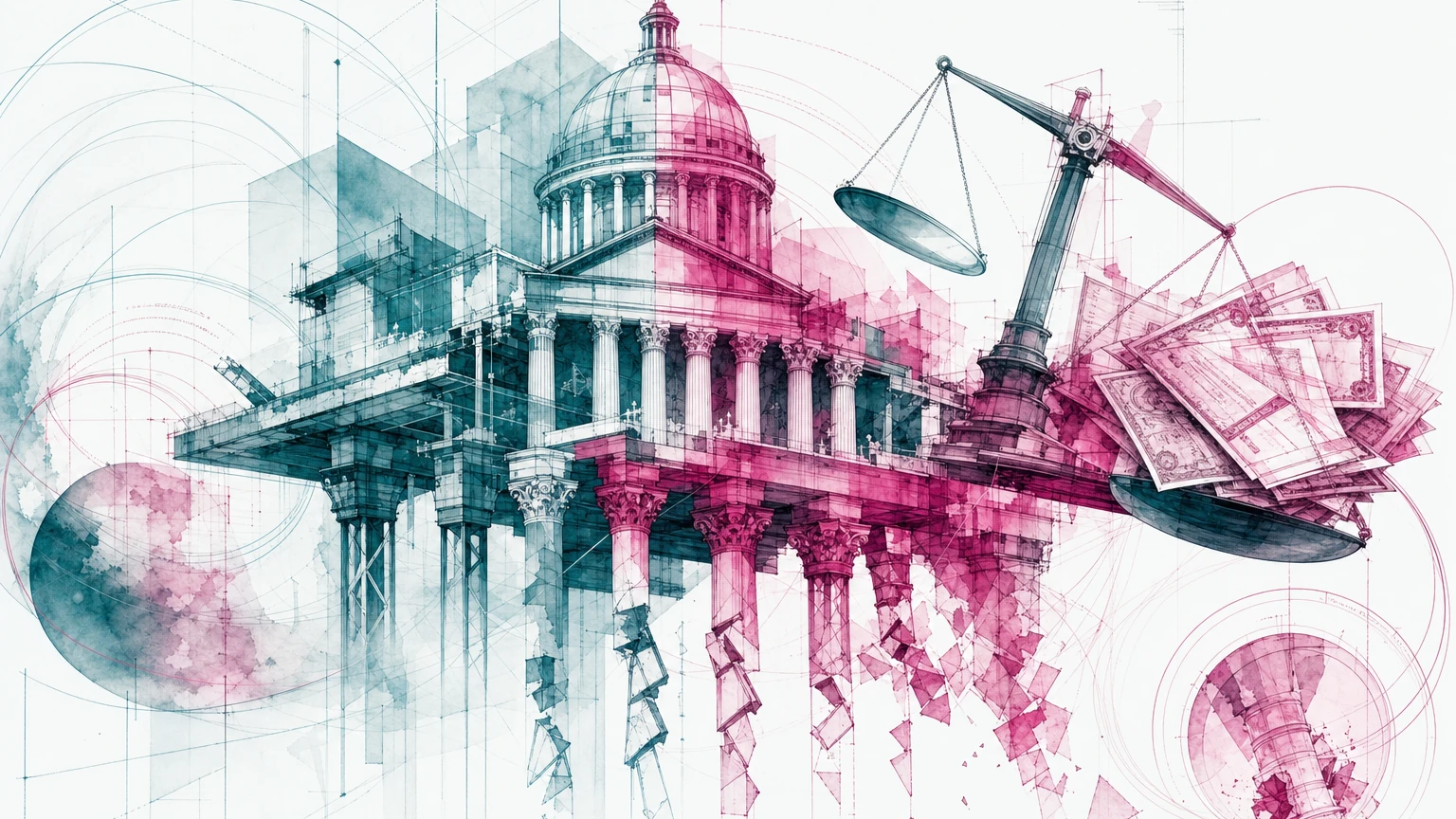
US debt interest now tops the entire defense budget
For the first time since the 1990s, US net interest payments on the federal debt exceed the entire national defense budget: $952 billion versus $886 billion. On May 16, 2025, Moody’s stripped the US of its triple-A, the last of the three major rating agencies to do so. A signal markets already knew. A mechanism most people have never seen explained.
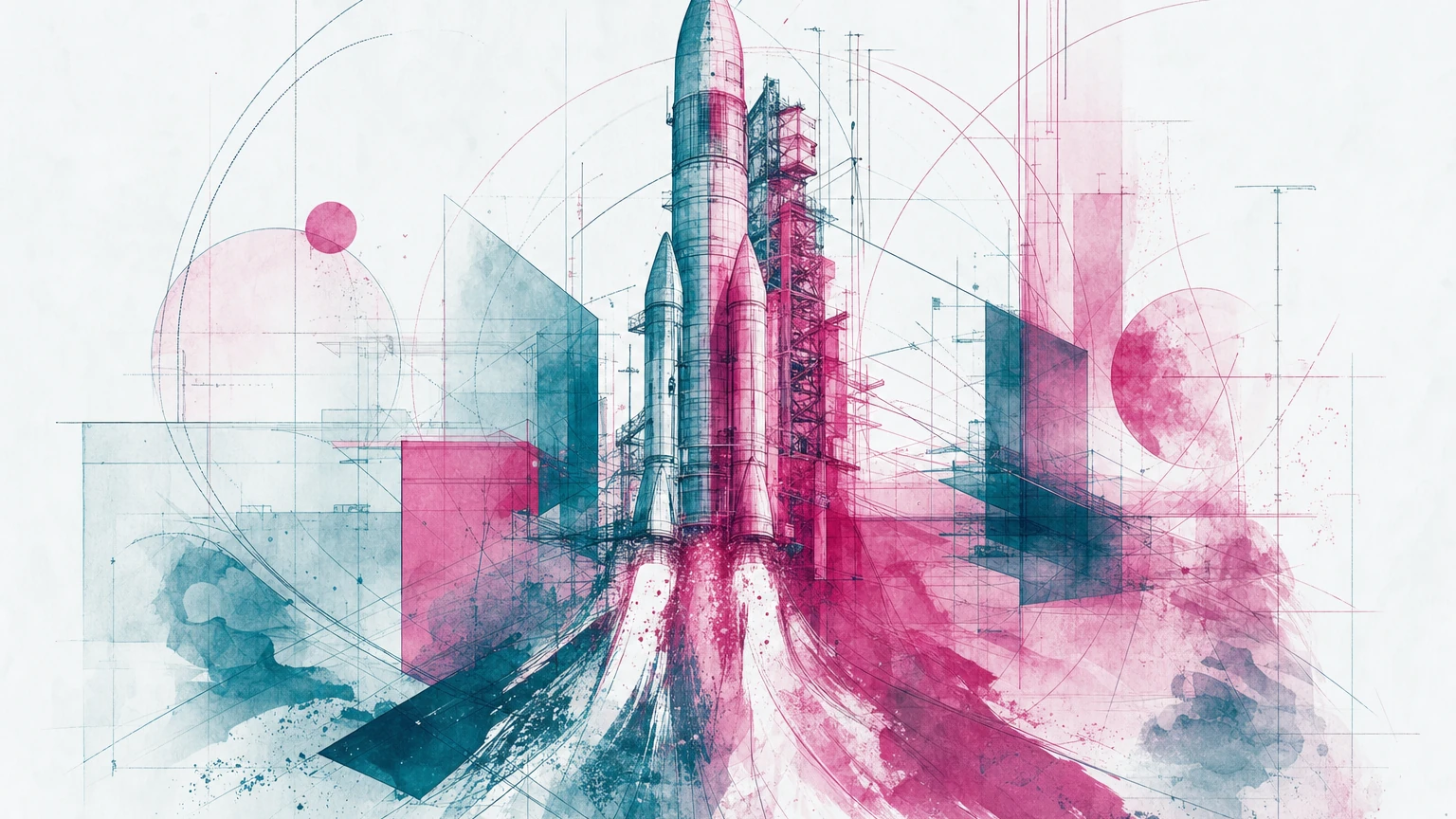
Starship V3 flies: the real stakes of the space race
On May 22, 2026, SpaceX launched Starship V3, the most powerful rocket ever built. Behind the spectacle, three things were at stake at once: a race to land humans on the Moon before 2030, a stock market debut targeted for June 12 at a $1.75 trillion valuation, and the expansion of Starlink, the only division in the company already turning a profit.
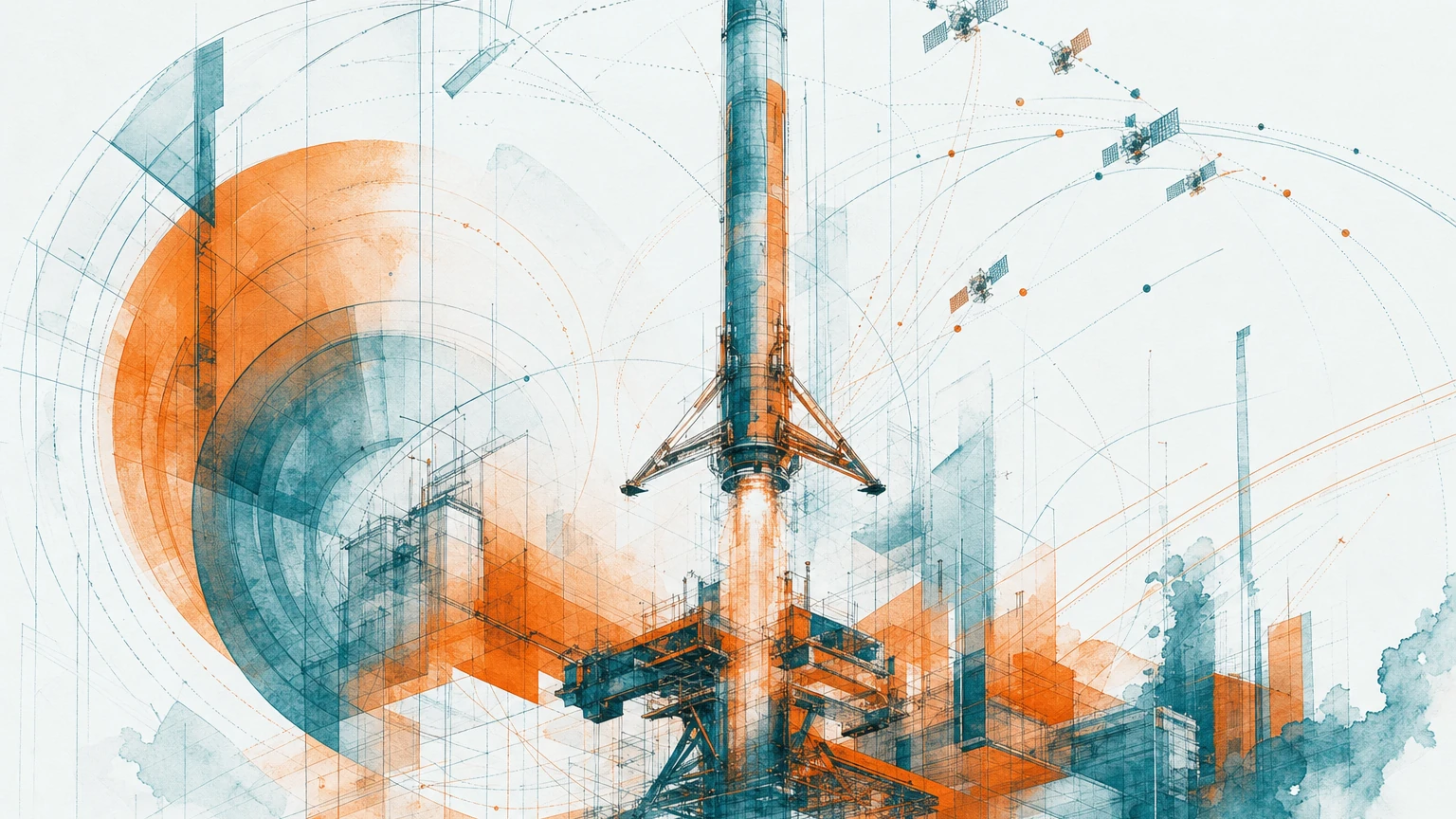
The new space economy: how private industry took over
For sixty years, space was a government monopoly. Then a handful of private companies cut the cost of reaching orbit by 95% in a decade. Who are these players, why are they betting billions on low Earth orbit, and what does that mean for everyone else on the ground?
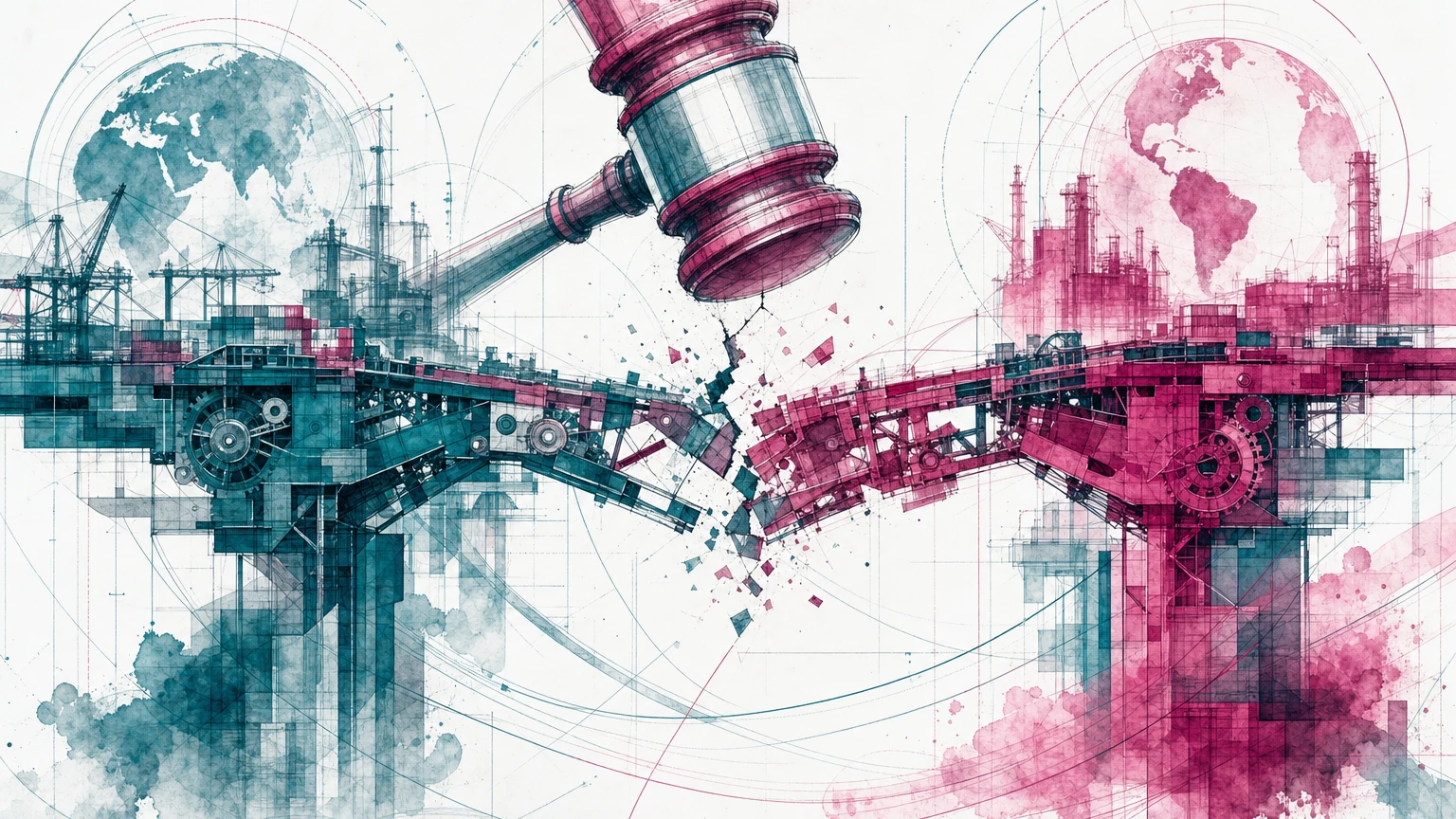
US tariffs struck down: global trade awaits a judge
In 78 days, two US tariff programs were struck down in court. This is not just a legal dispute: it signals that global value chains are now operating without stable ground rules, and every link in the chain is absorbing the cost.

International trade and global value chains
Your smartphone was designed in the United States, built with components from Taiwan and South Korea, assembled in China, and shipped across three continents before reaching your hands. That journey is not an exception, it is how the modern economy works. Understanding global value chains, the return of protectionism, and the reshaping of supply chains is now essential for anyone trying to make sense of prices, jobs, and geopolitics.
The Fed’s new chair won by the narrowest vote ever
54–45: the narrowest confirmation vote in Federal Reserve history.
When a president tries to fire the Fed chair
On April 15, Donald Trump threatened to fire Federal Reserve Chair Jerome Powell if he doesn’t leave his post by May 15.
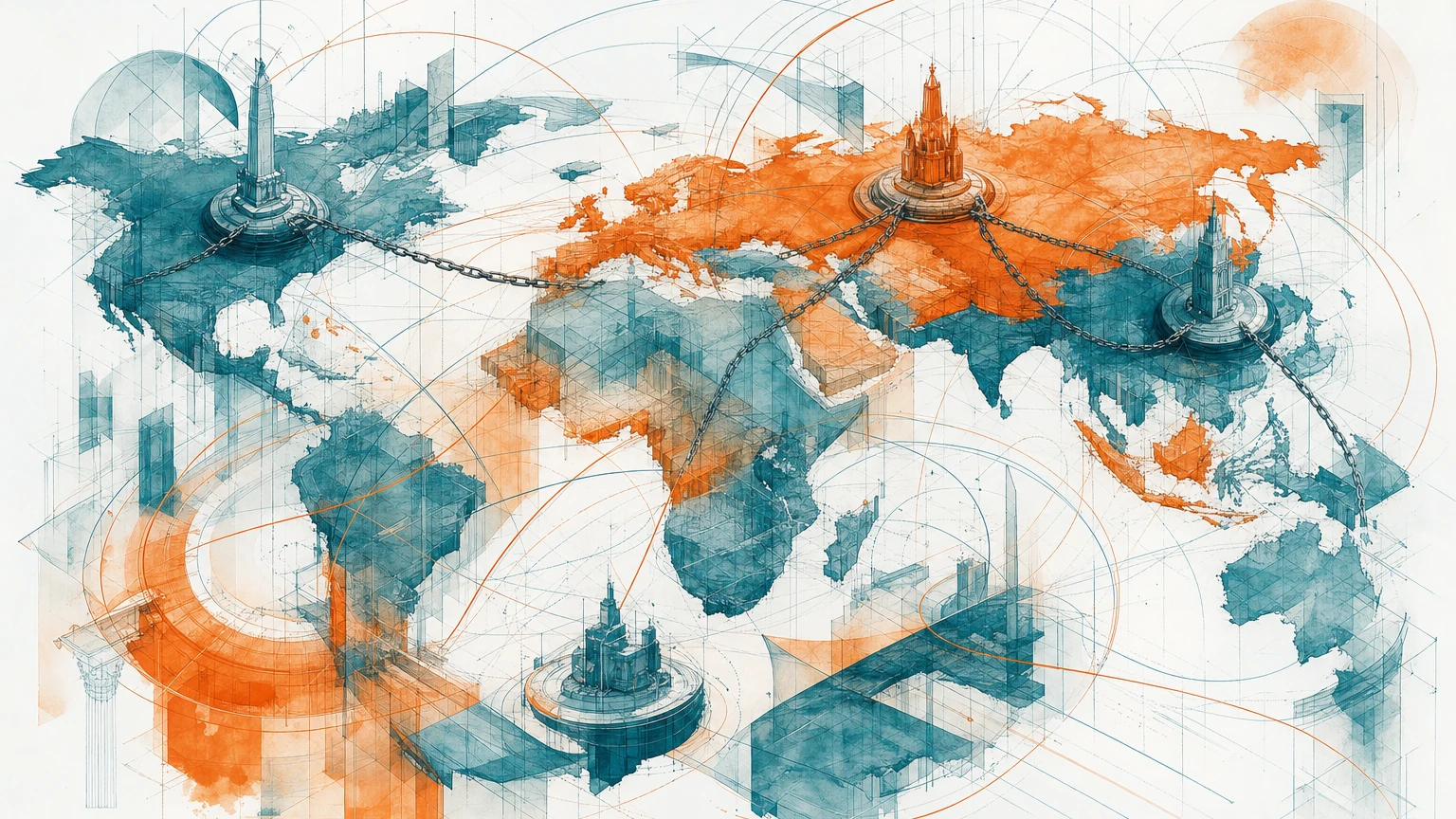
Global geopolitics: the forces that shape the world
Every conflict, every trade dispute, every alliance makes more sense once you understand the underlying geography, interests, and power dynamics. A structured framework for reading the international order, from great-power competition to regional flashpoints, without a degree in political science.
Venezuela had the most oil, then killed its currency
Venezuela once had the largest proven oil reserves in the world. By 2018, its currency had lost 99.9% of its value, and a kilo of tomatoes cost more than a monthly salary. What the collapse of the bolivar reveals about the mechanics, and the political roots, of hyperinflation.