China

Battery overcapacity: 2,609 GWh approved in seven months
Beijing has frozen new battery plants after clearing, in seven months, more annual capacity than the country produced in a whole year. Behind the halt sits a plain mechanism: overcapacity is what manufactures falling prices, and correcting it by decree stops that fall early.

Bank capital: what really limits how much banks can lend
Beijing is borrowing 300 billion yuan to lift the core capital of eight state-owned financial institutions. The press reports the amount injected. The number that matters sits elsewhere: one yuan of capital allows more than nine yuan of risk-weighted assets. What limits a bank is not the money it holds, but the money it owns.

Yuan clearing: Deutsche Bank lands Europe’s first mandate
China’s central bank has just handed Deutsche Bank the job of clearing the yuan in Frankfurt, the first European bank to hold that licence. Behind that technical decision sits a simple question: why a currency backed by the world’s second-largest economy still accounts for only 3.10% of global payments.

Uranium hidden in cobalt: the IAEA’s blind spot in Congo
Between 2,000 and 5,000 tonnes of natural uranium left the Democratic Republic of Congo mixed into cobalt, with under a tenth ever declared to the IAEA. Nobody lied about the contents; nobody had looked. What the episode reveals about how nuclear material is tracked.

CXMT’s IPO: why a 470% first-day surge isn’t free money
Chinese memory chipmaker CXMT saw its share price jump nearly 470% on its Shanghai debut, after the largest capital raising in Asia this year. Behind the spectacular number lies a core market mechanism: the price set in an initial public offering is not yet a market price.

Lithium: Zimbabwe secures $300 million to refine at home
Africa's top lithium producer just landed $300 million to process its ore at home instead of shipping it raw. The Chinese-financed deal exposes the real contest behind critical materials: not who owns the deposits, but who controls the processing steps where most of the value is captured.
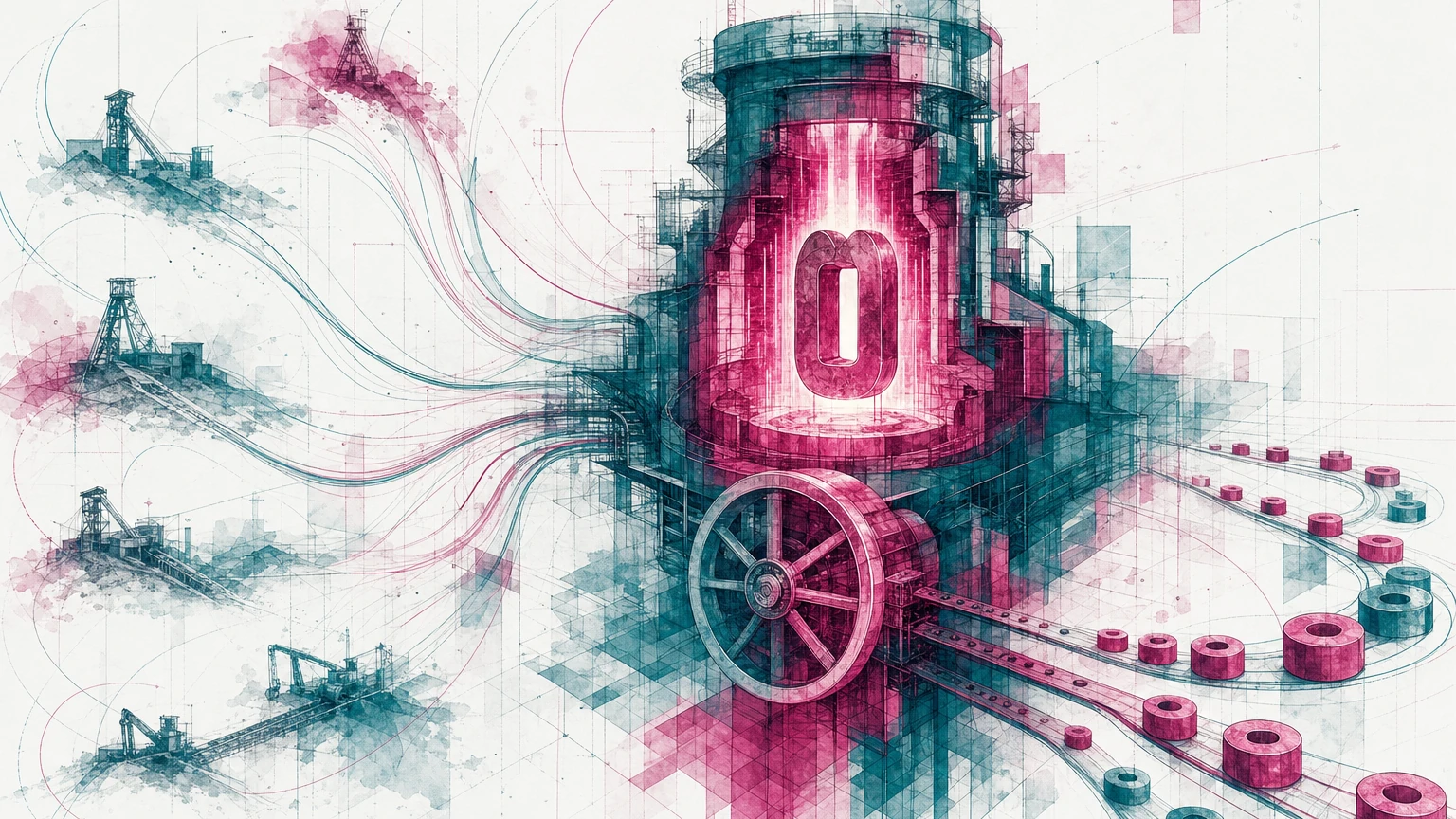
Rare earths: why China still controls the world’s magnets
Despite the 2025 trade truce, Chinese magnet exports to the United States remain about a fifth below their pre-trade-war level. Behind that figure sits a quiet mechanism: a country’s power over a resource is decided not in the ground, but in the plant that transforms it.
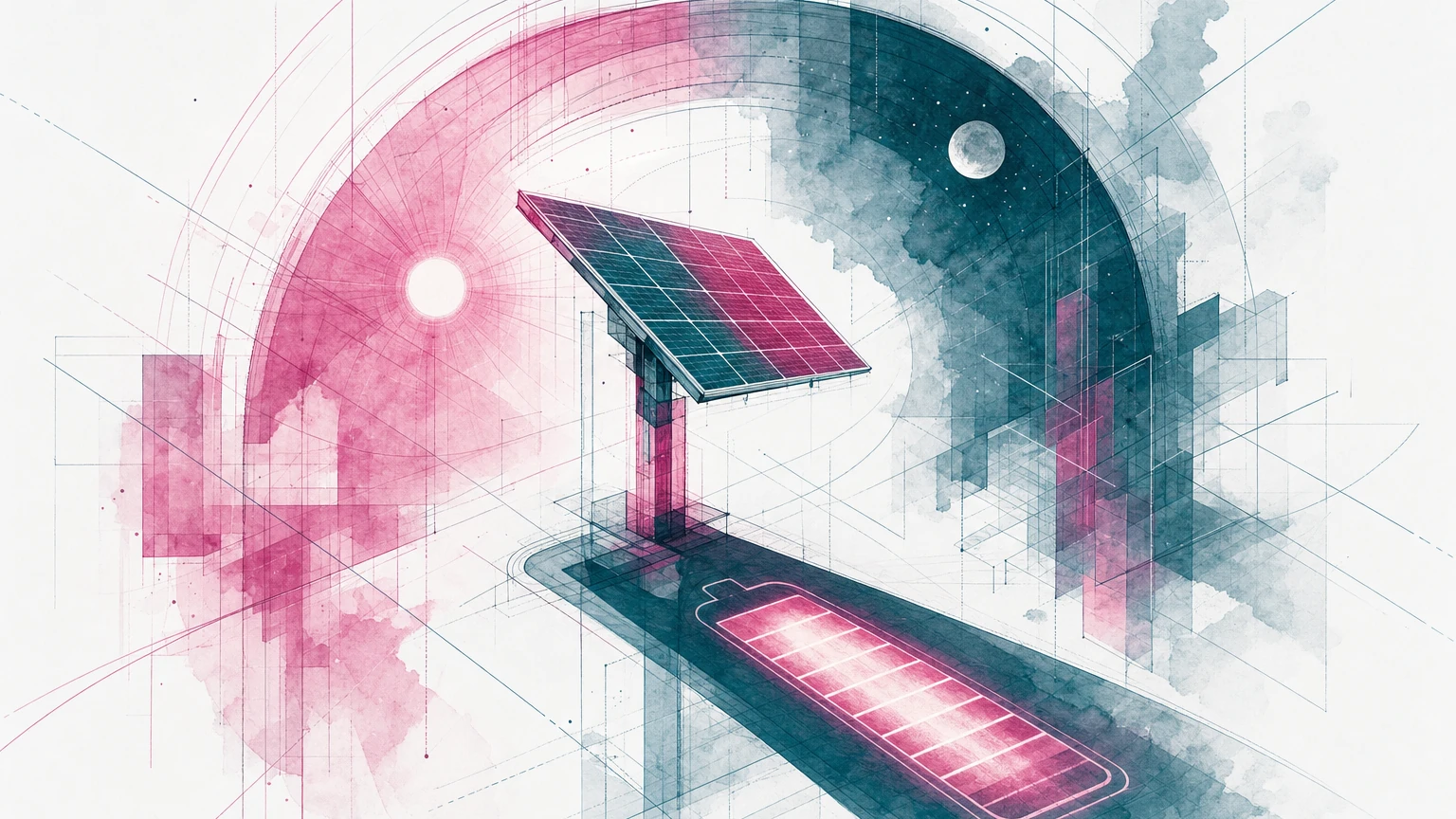
Solar-plus-storage: why batteries now follow every panel
Solar is now the cheapest electricity on Earth, yet it only generates in daylight. The wave of giant batteries paired with every new solar farm tells a quiet story: the challenge is no longer producing energy, but shifting it through time.
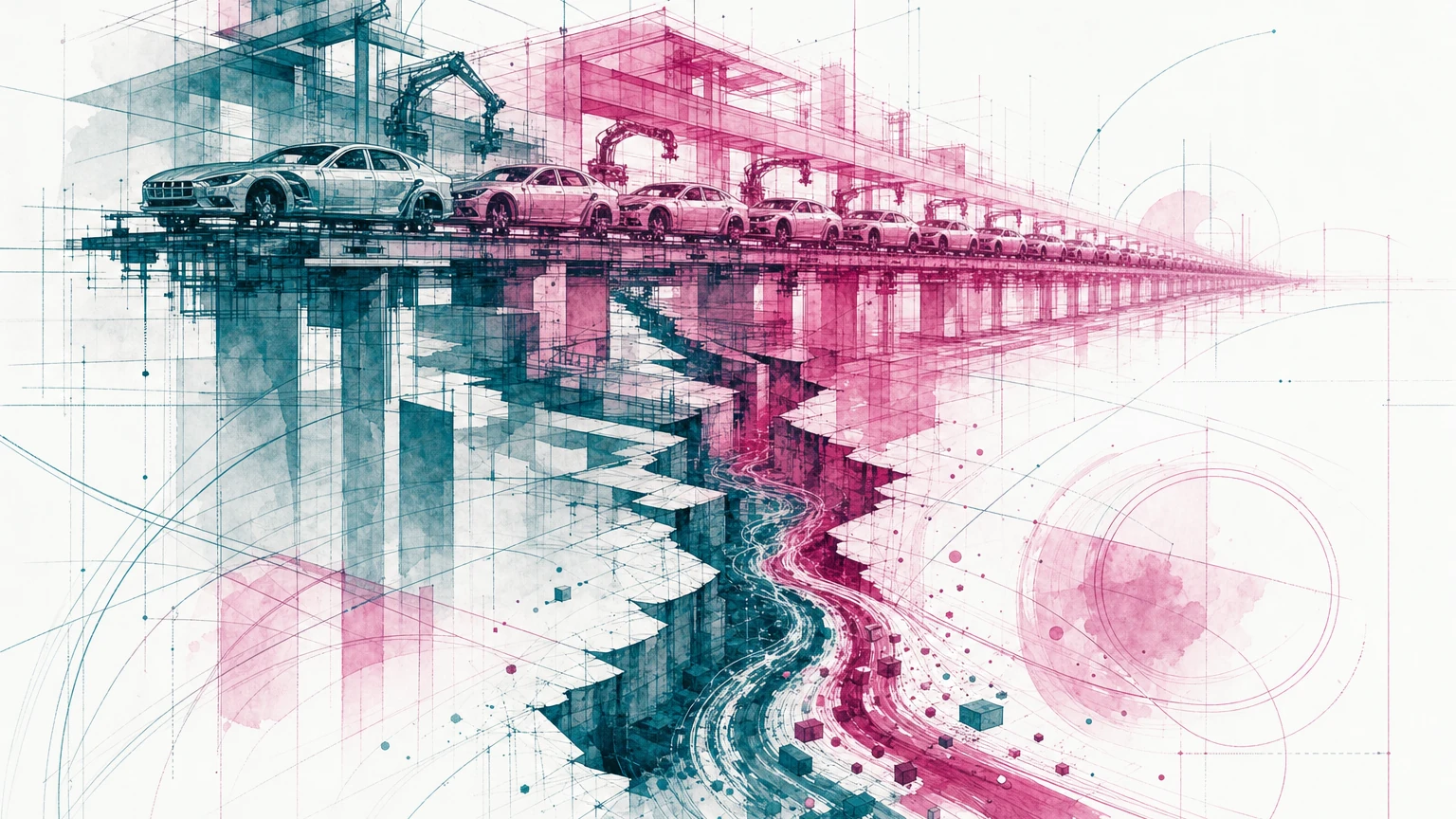
Value creation: when a giant grows yet loses worth
Volkswagen wants to cut up to 100,000 jobs to restore profitability. Behind the clash lies a forgotten mechanism: a company can sell millions of vehicles and still destroy value once its return on capital falls below its cost of funding.

5G and 6G: how mobile networks really work
You were promised self-driving cars and connected factories. You mainly gained one extra letter on your screen. While China installs millions of antennas and two billion people stay offline, 6G is already being marketed to you. This Fundamental unpacks what 5G really changed, who benefits from it, and why the next generation arrives before the previous one kept its promises.

Rare earths and critical materials
They are in your phone, your car, every wind turbine. Yet one country refines 90% of the world's rare earths. How a handful of elements with no substitute became the silent weapon of the 21st century, and why neither recycling nor new mines will be enough in the near term.
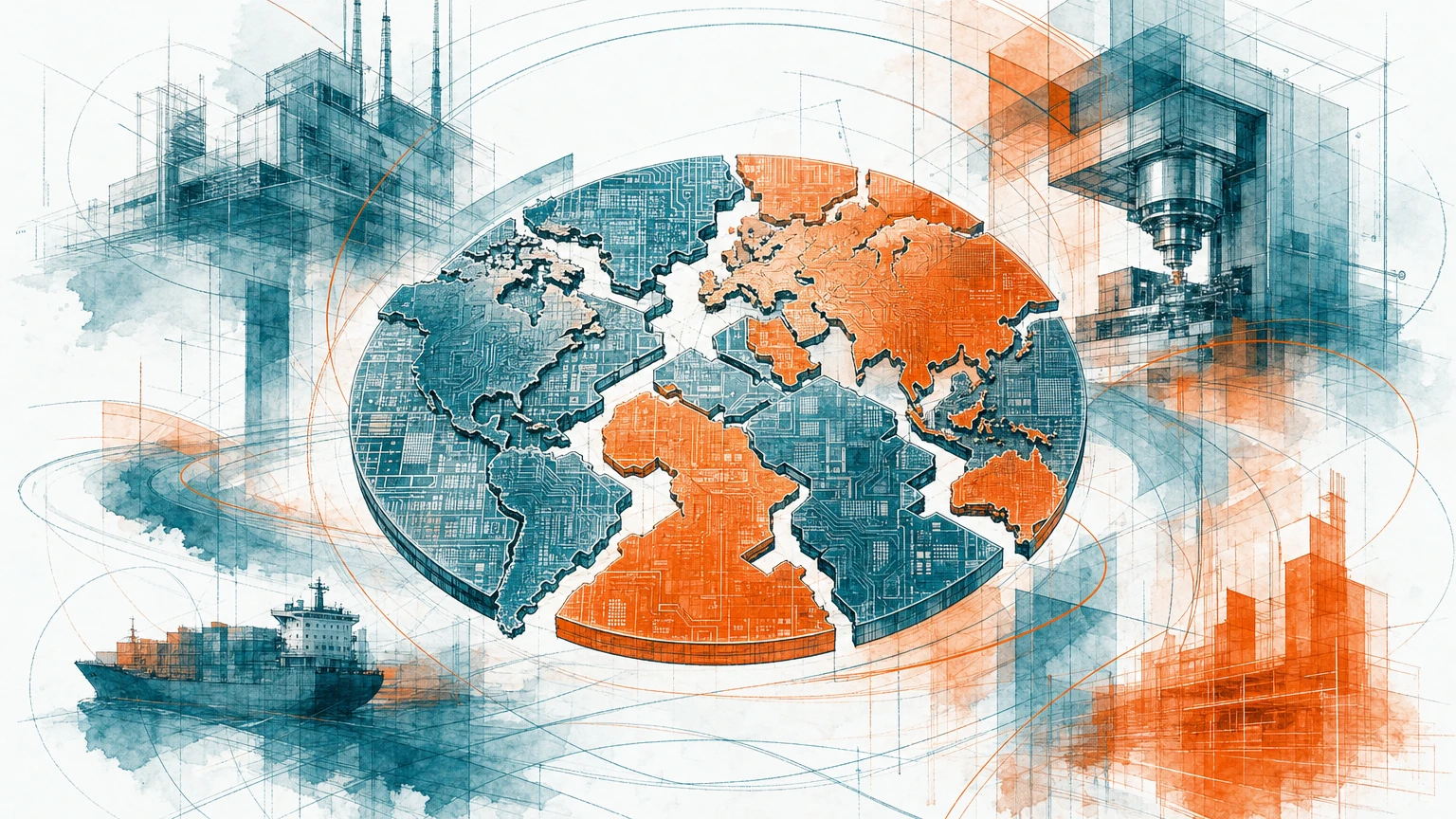
Semiconductors: technology and geopolitics
A single territory makes close to 90 % of the planet's most advanced chips, and no one can replace it quickly. Behind every smartphone, car and server hides a global chain of unexpected fragility. A 627-billion-dollar market, technical monopolies, a subsidy war: here is why chips now decide the balance of power between great nations.

Demographic transition: aging, fertility, consequences
Global fertility has been halved over sixty years. At the same time, the share of people aged 65 and over has doubled. This dual shift is placing unprecedented pressure on pension systems, labor markets, and economic growth. The question is no longer whether this will happen: it already has.

China makes 80% of solar panels, and loses billions
China is breaking solar export records in the wake of the Gulf conflict. Its manufacturers are deep in the red. The paradox of an industry undone by its own success.

Meta bought Manus. China made it undo the deal
Meta acquired Manus for $2 billion. Four months later, the Chinese government ordered the deal unwound. A global first that shows how mergers and acquisitions, the operations that reshape jobs, products and strategies worldwide, can fail in ways no one anticipated.

Starship V3 flies: the real stakes of the space race
On May 22, 2026, SpaceX launched Starship V3, the most powerful rocket ever built. Behind the spectacle, three things were at stake at once: a race to land humans on the Moon before 2030, a stock market debut targeted for June 12 at a $1.75 trillion valuation, and the expansion of Starlink, the only division in the company already turning a profit.
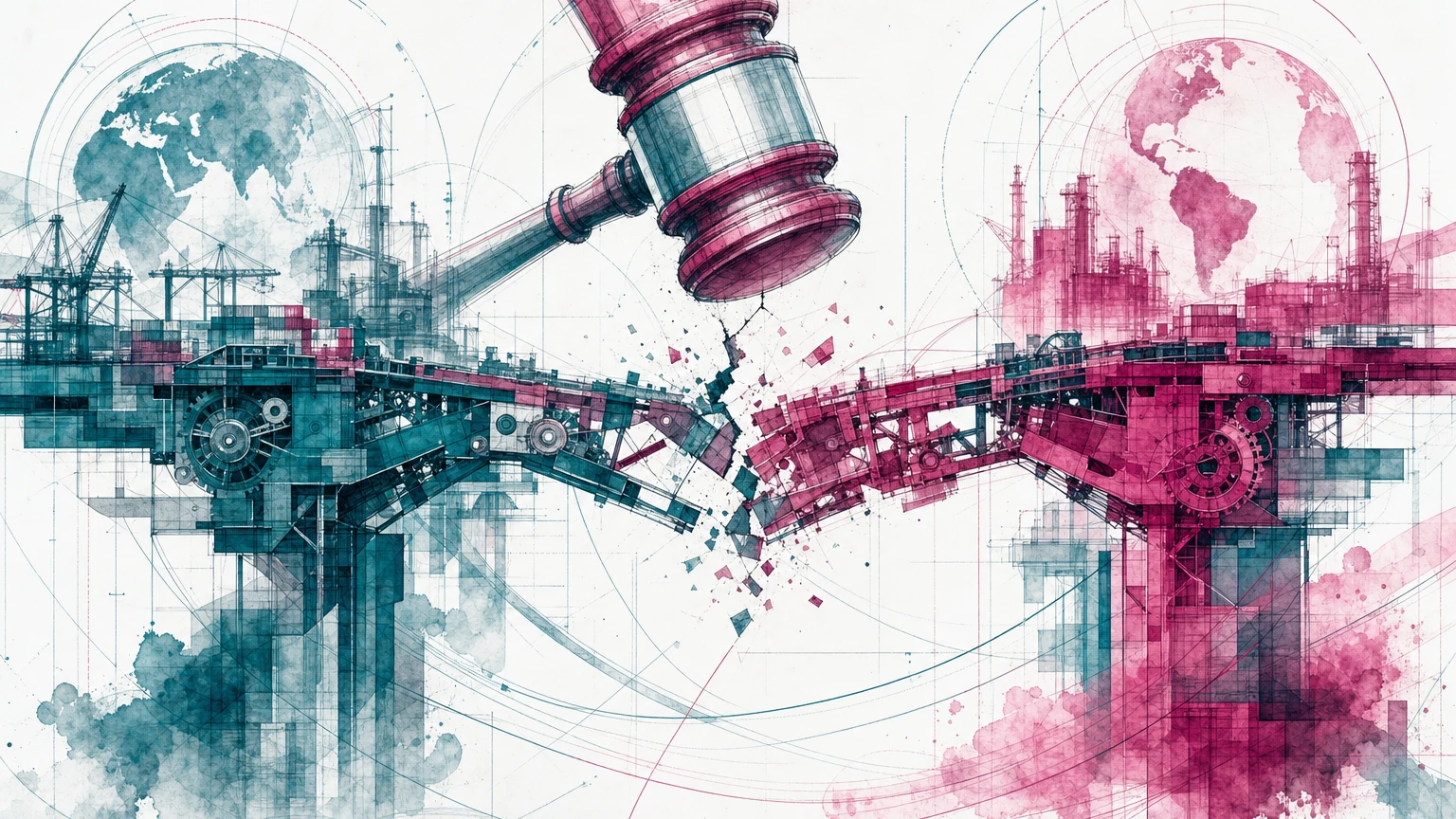
US tariffs struck down: global trade awaits a judge
In 78 days, two US tariff programs were struck down in court. This is not just a legal dispute: it signals that global value chains are now operating without stable ground rules, and every link in the chain is absorbing the cost.

International trade and global value chains
Your smartphone was designed in the United States, built with components from Taiwan and South Korea, assembled in China, and shipped across three continents before reaching your hands. That journey is not an exception, it is how the modern economy works. Understanding global value chains, the return of protectionism, and the reshaping of supply chains is now essential for anyone trying to make sense of prices, jobs, and geopolitics.

China adds 3 years of work, the world will follow
On January 1, 2025, China raised its official retirement age for the first time in 70 years. It won’t be the last country to do so, and the mechanism driving that decision is the same one reshaping pension systems on every continent.

Natural resources: control, scarcity and geopolitics
Oil, lithium, fresh water, sand: natural resources rarely dominate public conversation until prices spike or two countries go to war over their control. Understanding how they are distributed worldwide and what governs their value is the key to decoding a large share of global economic and geopolitical news.
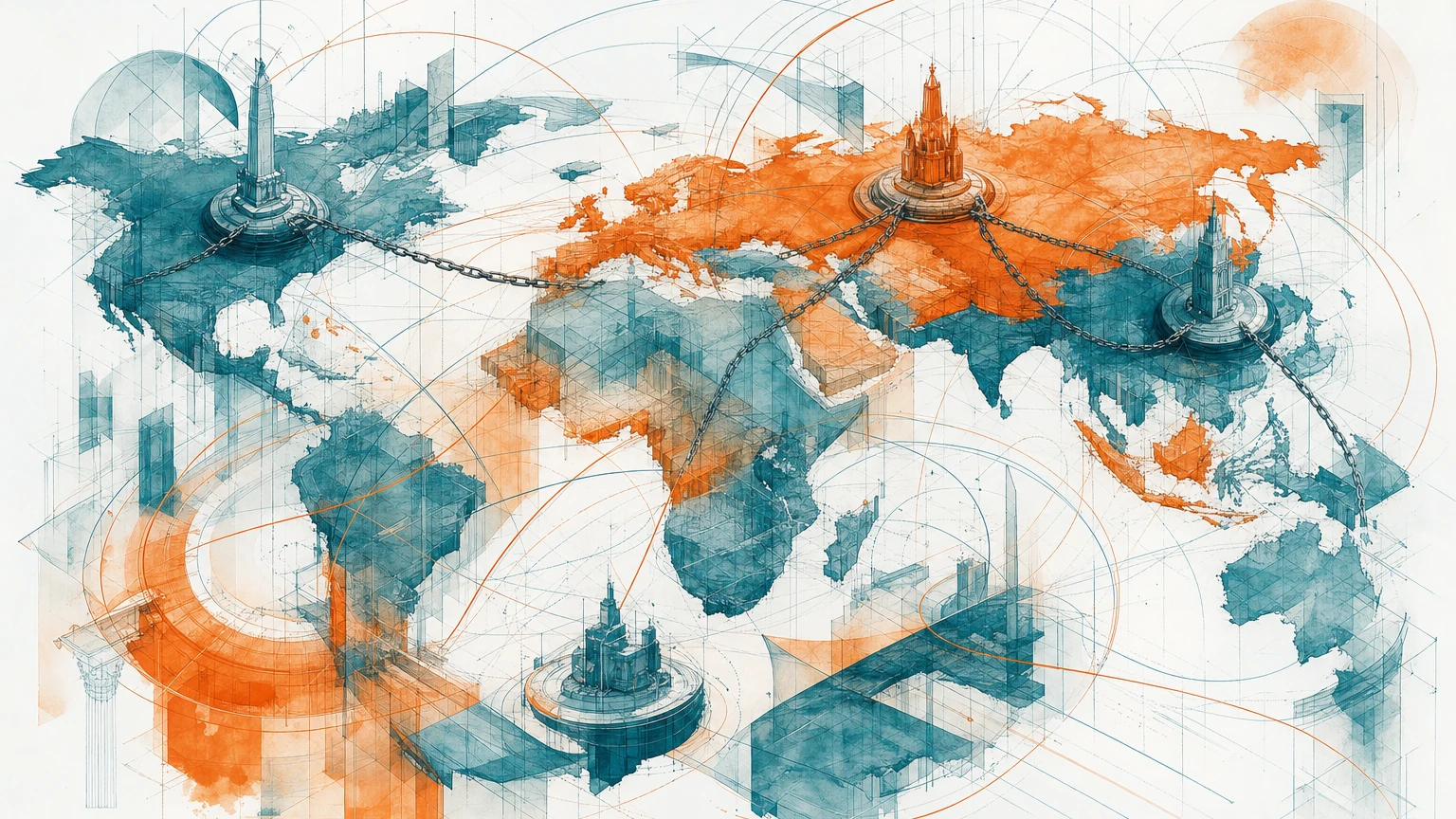
Global geopolitics: the forces that shape the world
Every conflict, every trade dispute, every alliance makes more sense once you understand the underlying geography, interests, and power dynamics. A structured framework for reading the international order, from great-power competition to regional flashpoints, without a degree in political science.