Energy
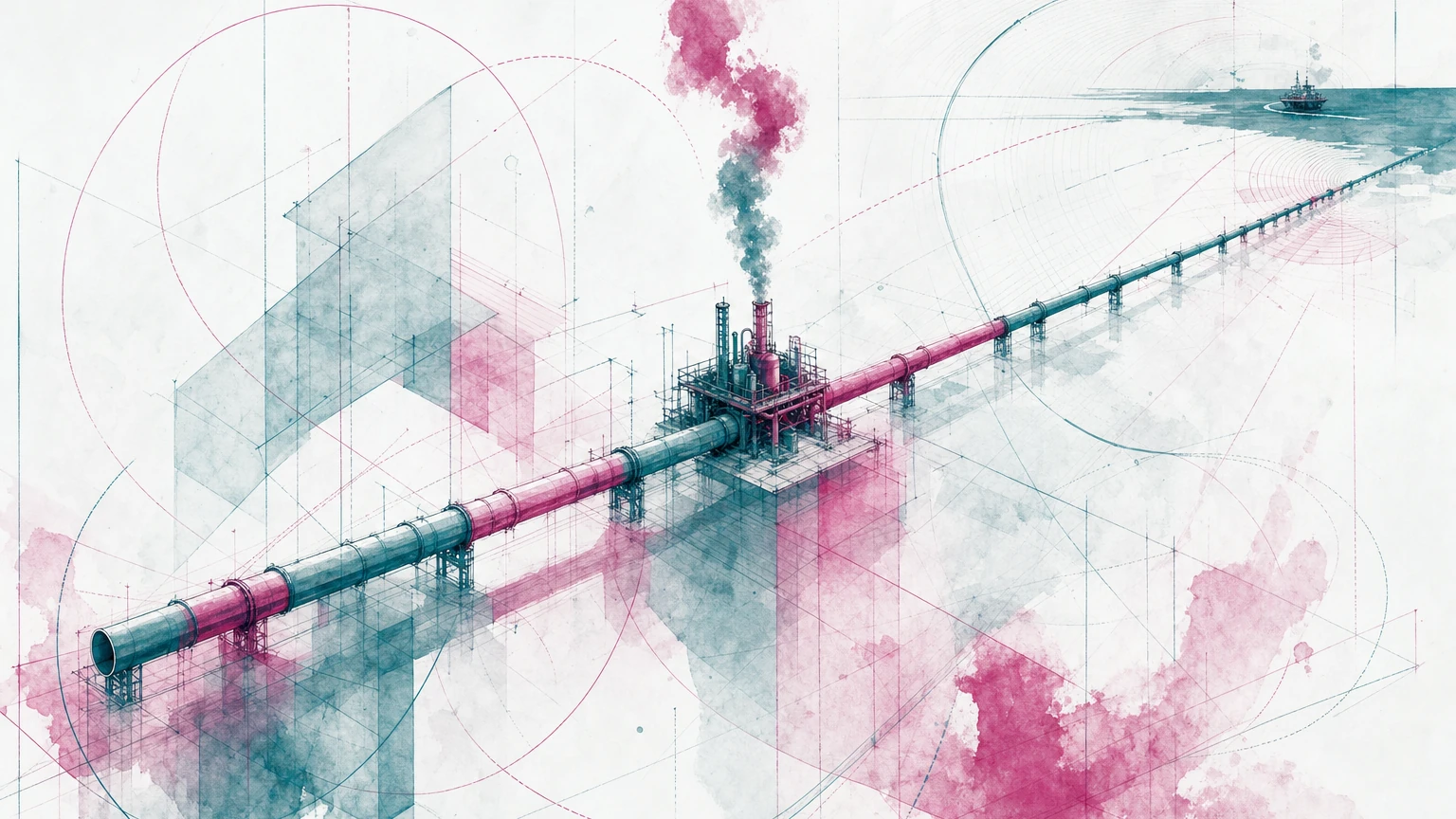
Hormuz shut: 8.8 million barrels of bypass for 21
Drones launched from Iraq forced Saudi Arabia to shut its East-West pipeline, which had become its main export route since the Strait of Hormuz effectively closed. The interrupted volume matters less than what it reveals: the relief meant to offset a fifth of world oil consumption rests on a handful of pumping stations.

Battery overcapacity: 2,609 GWh approved in seven months
Beijing has frozen new battery plants after clearing, in seven months, more annual capacity than the country produced in a whole year. Behind the halt sits a plain mechanism: overcapacity is what manufactures falling prices, and correcting it by decree stops that fall early.

Russia refines the least oil since 2002: crude is not fuel
Ukrainian drones have stopped aiming at wells and started aiming at refineries. Russia still pumps as much oil as before, yet processed less of it in July than in any month since 2002. The crude leaves for export while the pumps at home run dry.

Uranium hidden in cobalt: the IAEA’s blind spot in Congo
Between 2,000 and 5,000 tonnes of natural uranium left the Democratic Republic of Congo mixed into cobalt, with under a tenth ever declared to the IAEA. Nobody lied about the contents; nobody had looked. What the episode reveals about how nuclear material is tracked.

Gulf allies stopped a US strike on Iran, and here is why
Washington called off a large-scale strike on Iran after requests from the Gulf, starting with Riyadh. Those countries host the bases the strike would have flown from. Hosting a foreign army means arming it, and it also means being able to hold it back.

Red Sea shipping: one email reroutes global oil tankers
Supertankers loaded in Saudi Arabia turned around after a single ban email from Yemen's Houthis. The episode shows that a trade route is not fixed infrastructure but a running risk calculation, one where insurers and shipowners can redraw the flows feeding world economies within hours.
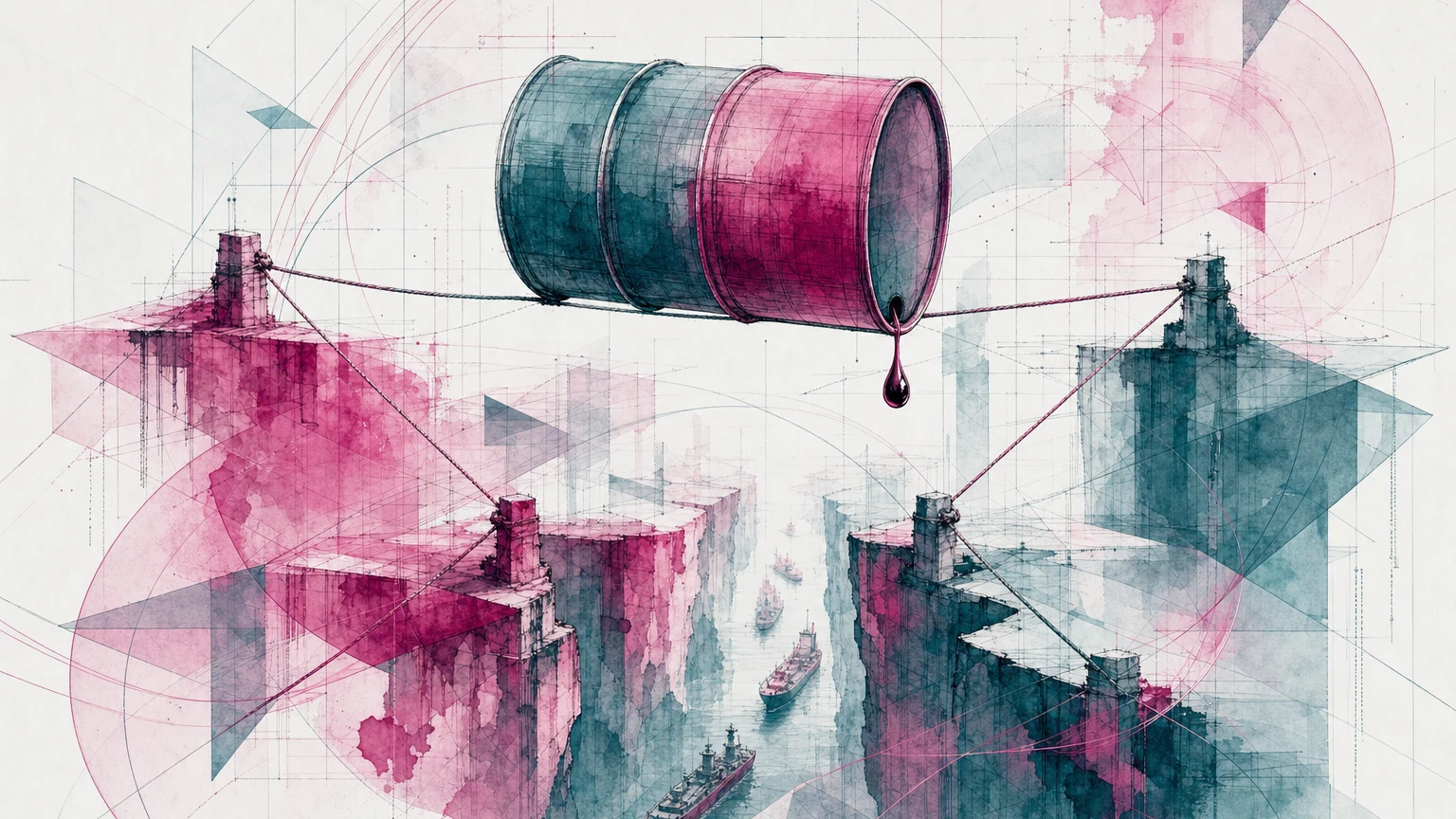
Oil back above $100: anatomy of a worldwide supply shock
In three weeks, Brent crude climbed from 78 to more than 100 dollars a barrel before easing back toward 97. Drone strikes on the Black Sea, tanker attacks in the Red Sea, tensions around Hormuz: disruptions are stacking up. Behind the spike lies a precise mechanism: a market stripped of its shock absorbers facing demand that cannot adjust.
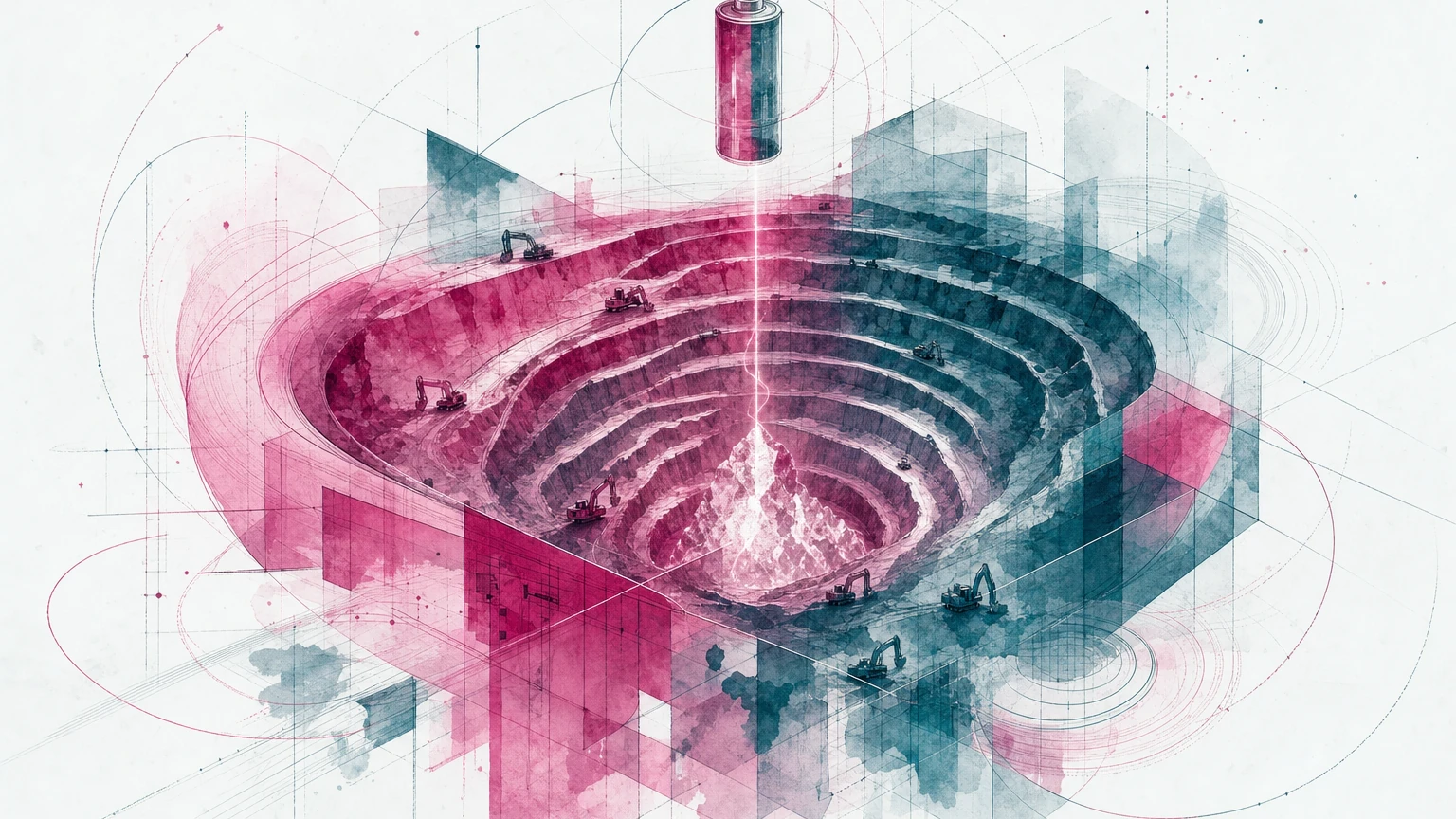
Lithium: Zimbabwe secures $300 million to refine at home
Africa's top lithium producer just landed $300 million to process its ore at home instead of shipping it raw. The Chinese-financed deal exposes the real contest behind critical materials: not who owns the deposits, but who controls the processing steps where most of the value is captured.
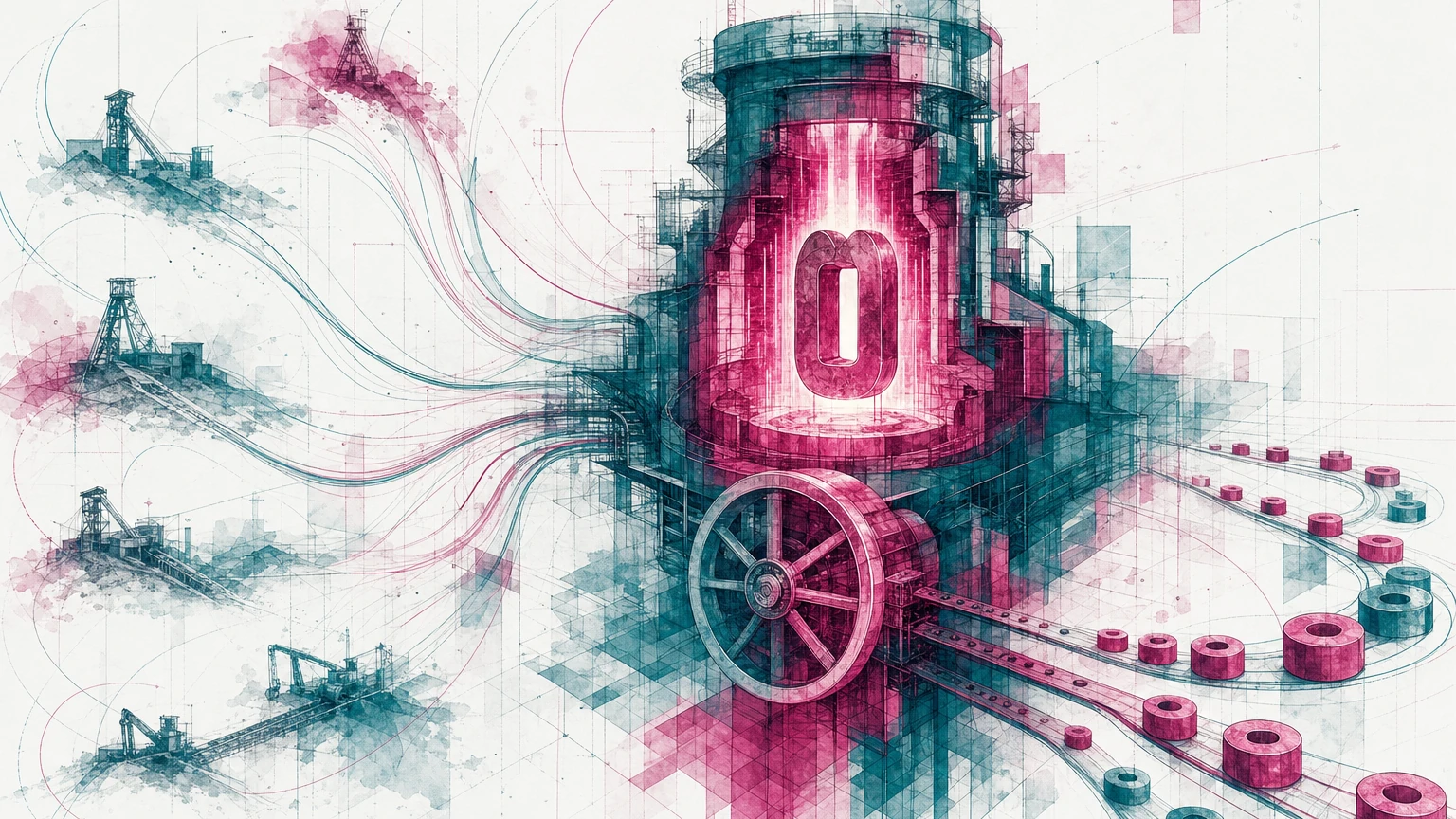
Rare earths: why China still controls the world’s magnets
Despite the 2025 trade truce, Chinese magnet exports to the United States remain about a fifth below their pre-trade-war level. Behind that figure sits a quiet mechanism: a country’s power over a resource is decided not in the ground, but in the plant that transforms it.
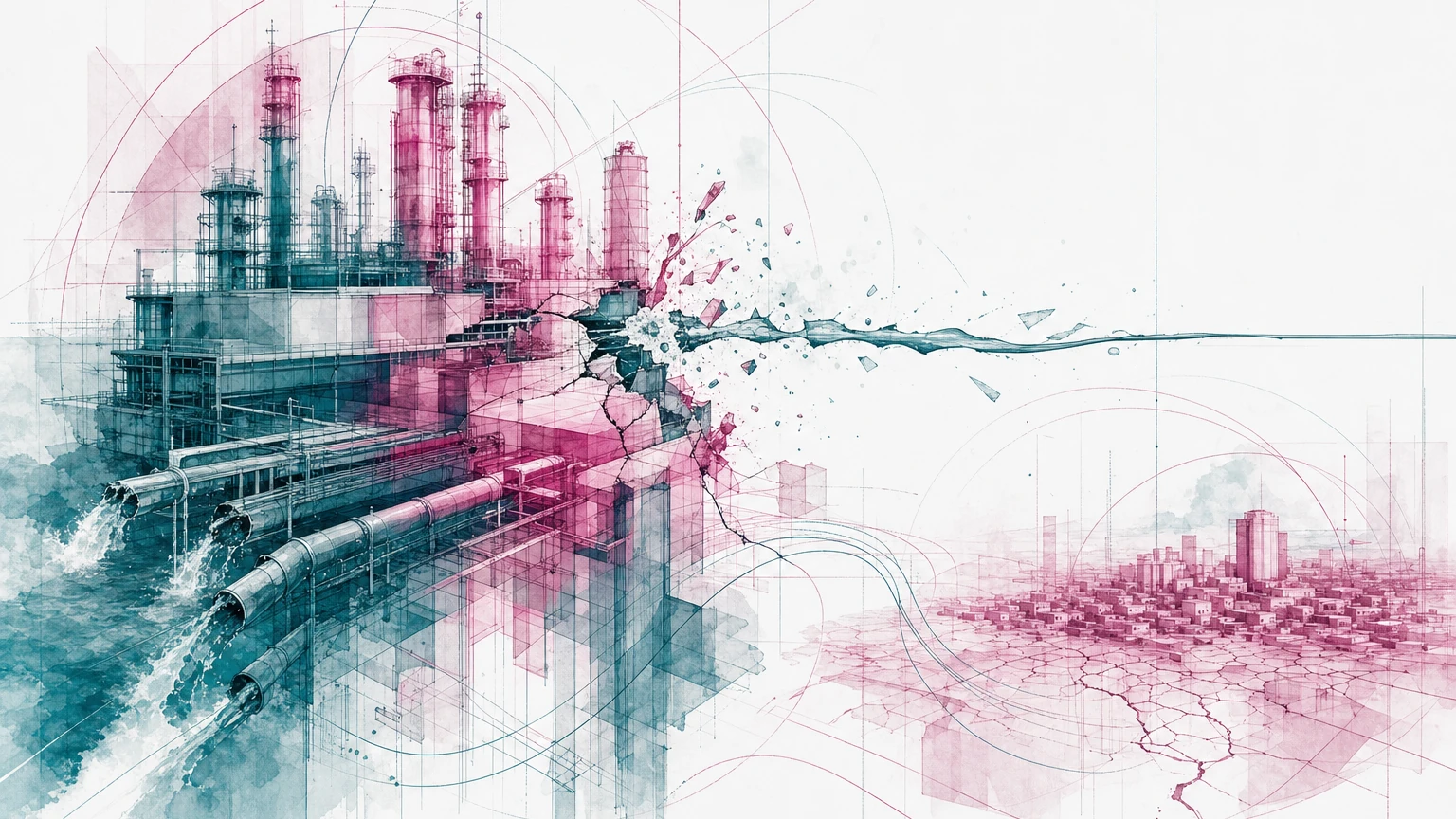
Gulf desalination: when drinking water becomes a target
Iran has again struck a desalination plant in Kuwait. Behind the military news lies a staggering dependence: several Gulf states manufacture nearly all of their drinking water from the sea, turning an infinite resource into a strategic vulnerability.
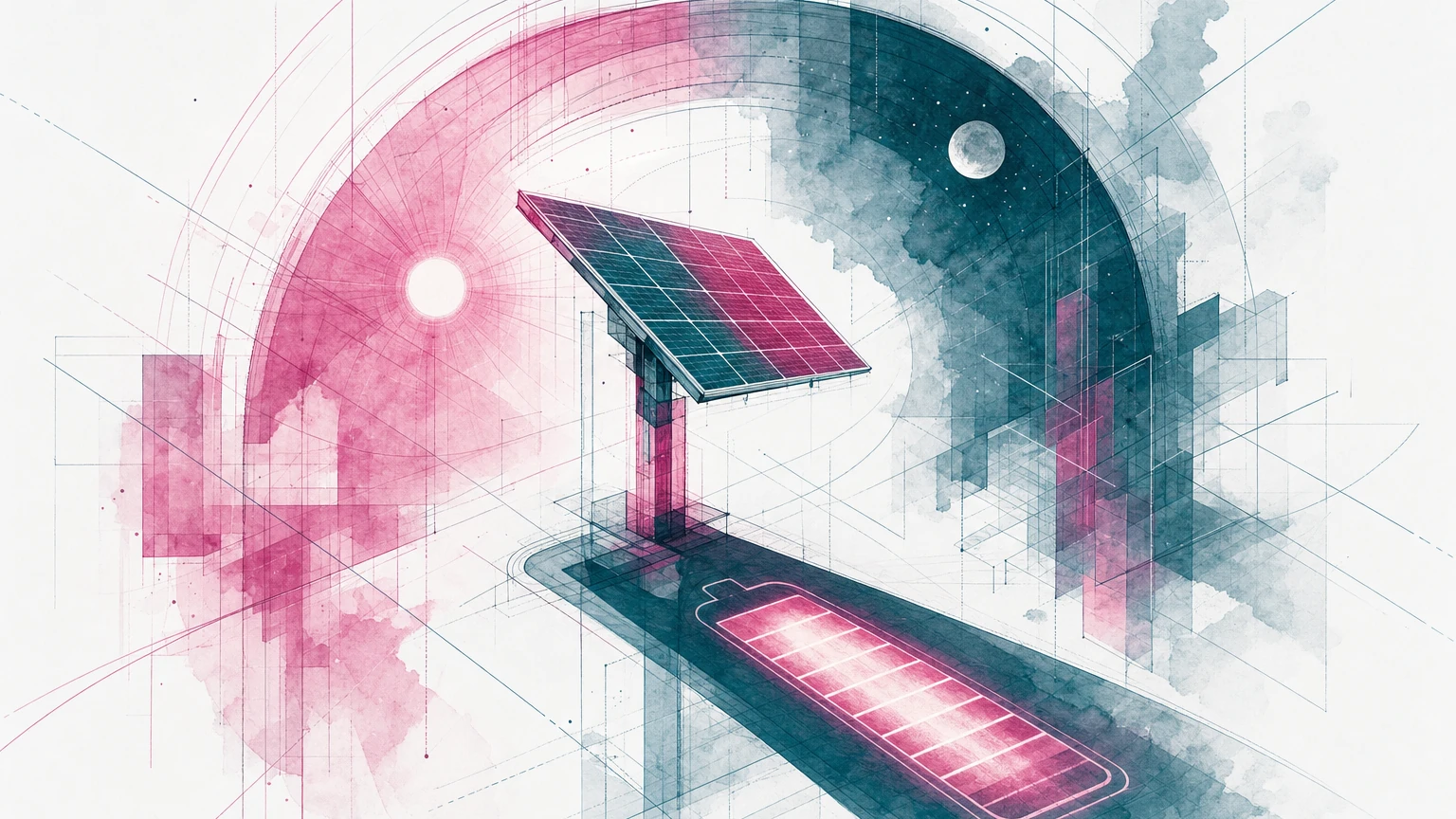
Solar-plus-storage: why batteries now follow every panel
Solar is now the cheapest electricity on Earth, yet it only generates in daylight. The wave of giant batteries paired with every new solar farm tells a quiet story: the challenge is no longer producing energy, but shifting it through time.
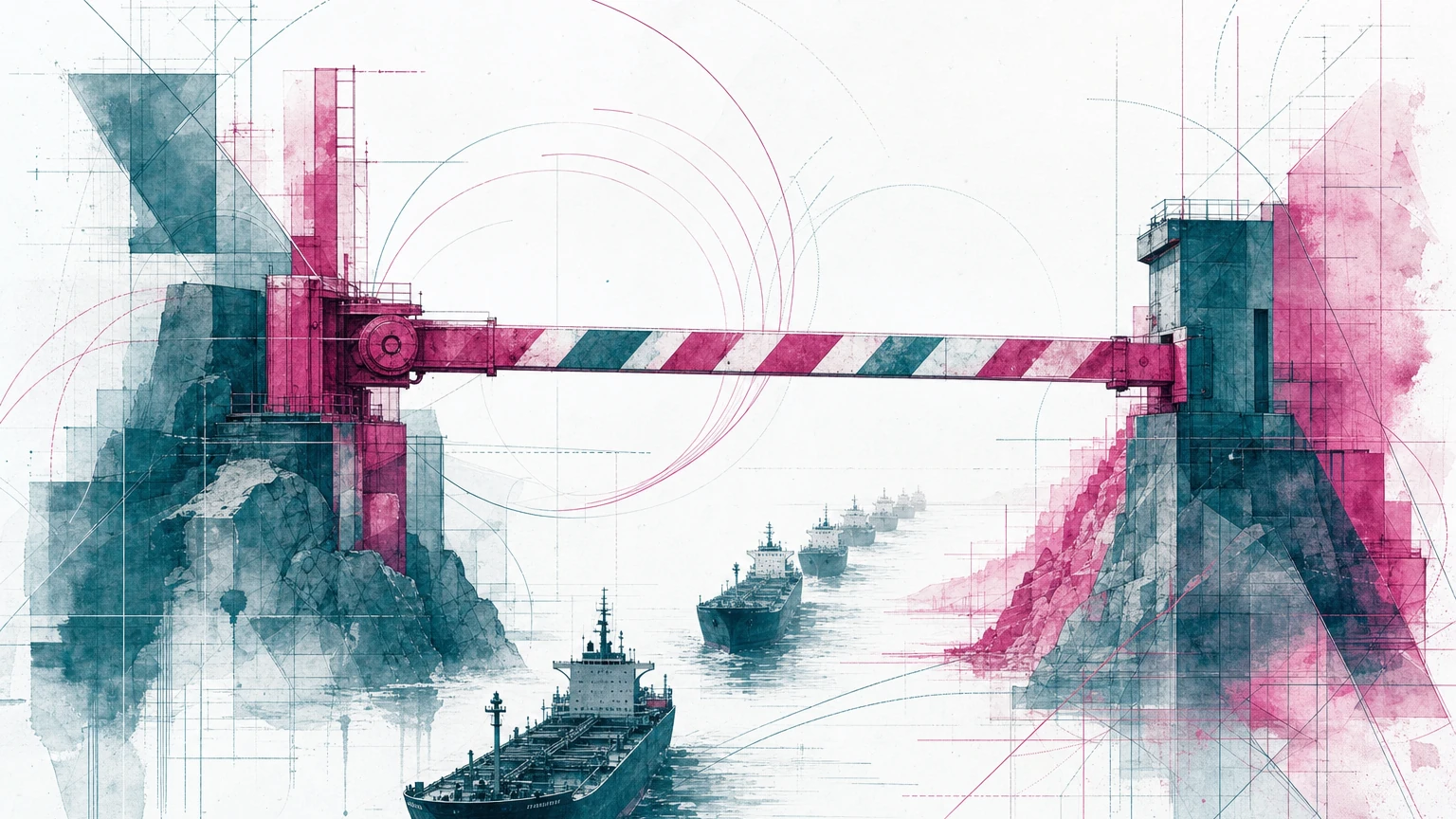
The Hormuz toll: who really owns an international strait
A 20% toll on every cargo, some $30 million per supertanker: Washington intends to charge for passage through the Strait of Hormuz. The International Maritime Organization says no legal basis exists. The dispute is less about oil than about an old question: who owns a waterway nobody dug?
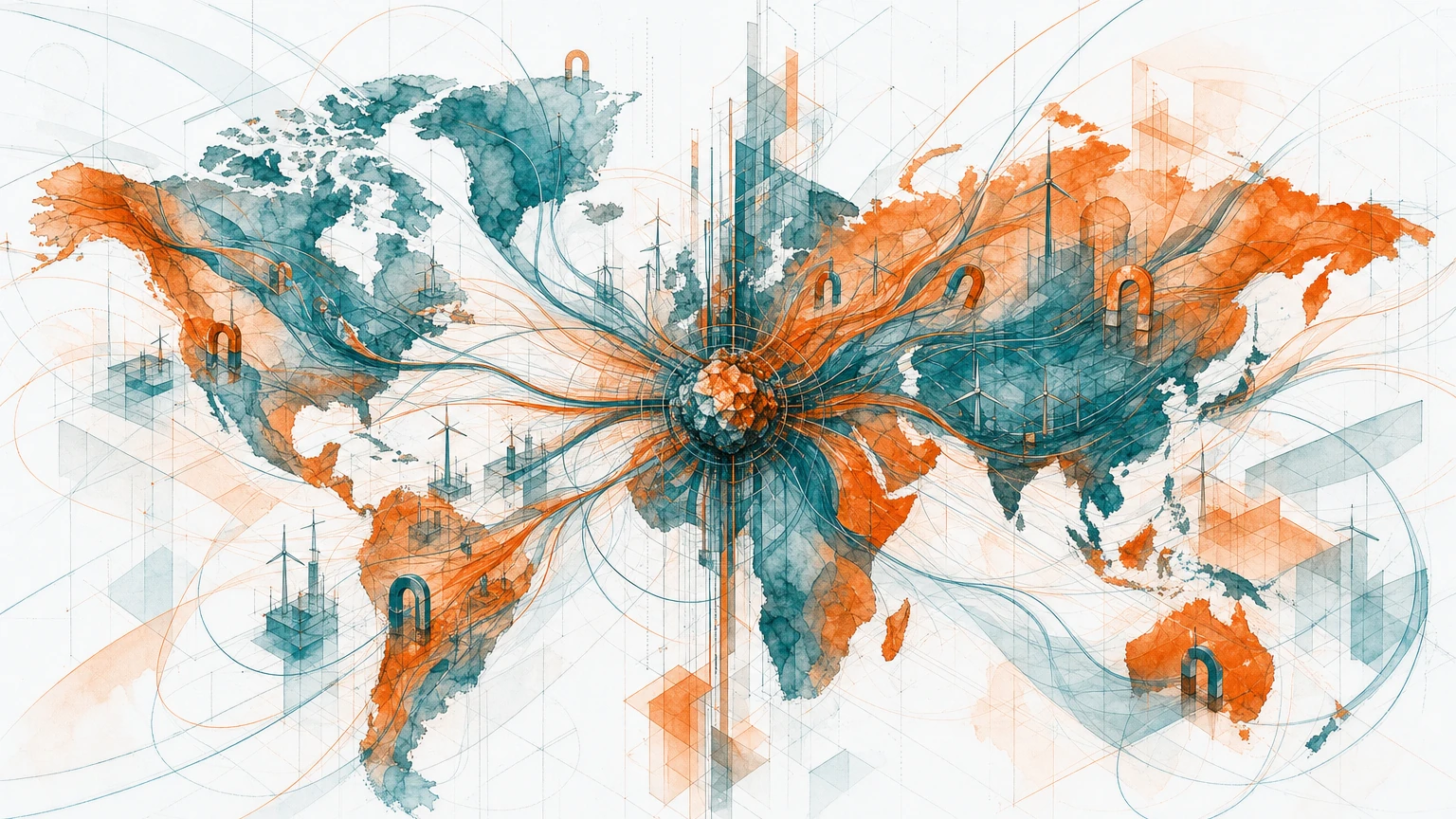
Rare earths and critical materials
They are in your phone, your car, every wind turbine. Yet one country refines 90% of the world's rare earths. How a handful of elements with no substitute became the silent weapon of the 21st century, and why neither recycling nor new mines will be enough in the near term.

Helion bets $465M that fusion can leave the lab
Helion has just raised $465 million against a hard contractual deadline: deliver electricity to Microsoft by 2028. Nuclear fusion is no longer a laboratory project, but the industrial challenges remain entirely unsolved.

Nuclear fusion: state of the art and commercial horizon
In December 2022, a fusion target released more energy than it received for the first time. Since then, more than $7 billion in private capital has flowed into the sector. But between the promises and commercial reactors, what obstacles remain, and what do realistic timelines look like?
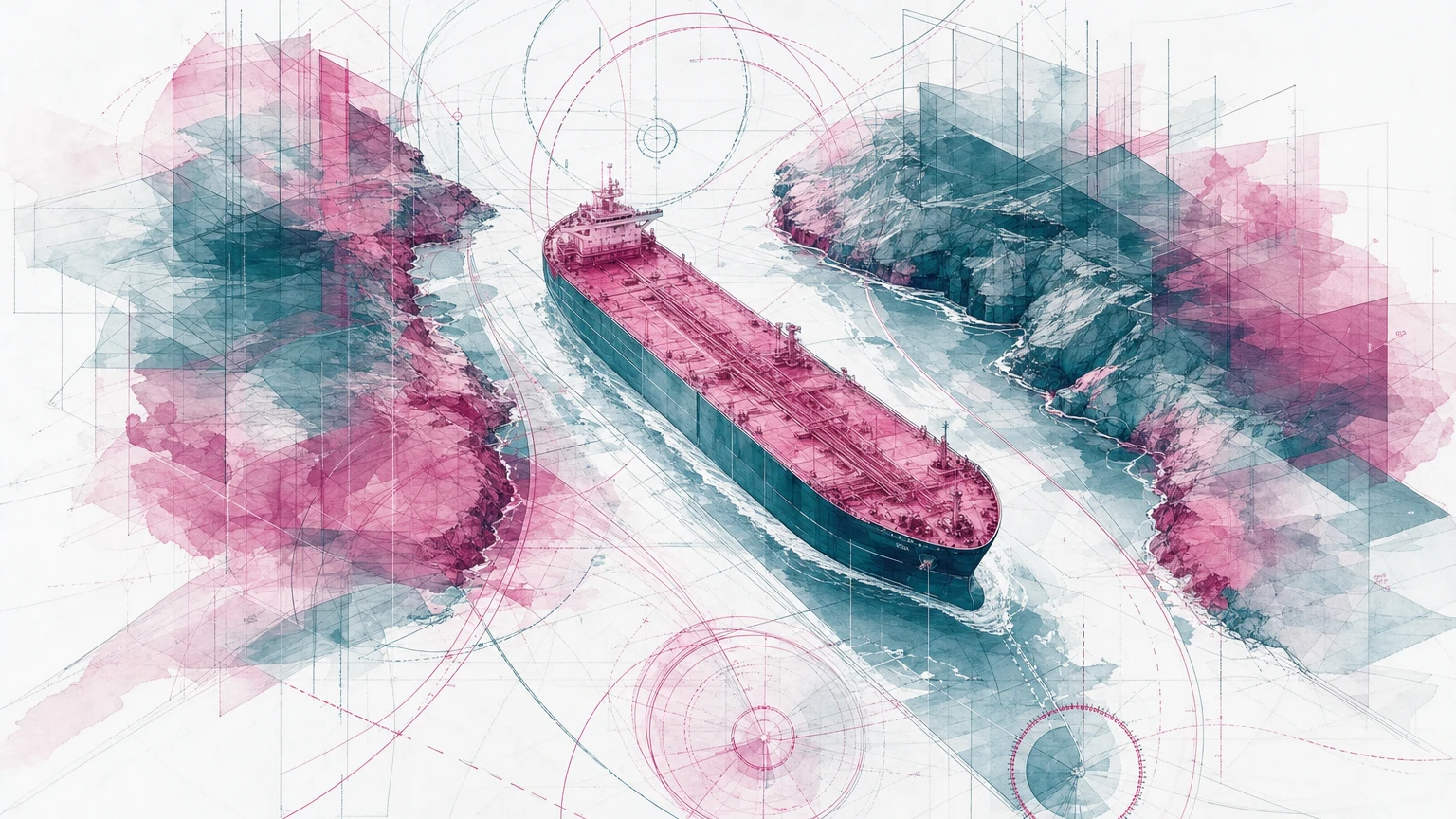
Hormuz reopened, but the threat that closed it didn’t
For three months, a 33-kilometer strait was enough to disrupt 20% of the world’s oil supply. The US-Iran deal moves the Brent price, not the underlying logic.

China makes 80% of solar panels, and loses billions
China is breaking solar export records in the wake of the Gulf conflict. Its manufacturers are deep in the red. The paradox of an industry undone by its own success.

International trade and global value chains
Your smartphone was designed in the United States, built with components from Taiwan and South Korea, assembled in China, and shipped across three continents before reaching your hands. That journey is not an exception, it is how the modern economy works. Understanding global value chains, the return of protectionism, and the reshaping of supply chains is now essential for anyone trying to make sense of prices, jobs, and geopolitics.
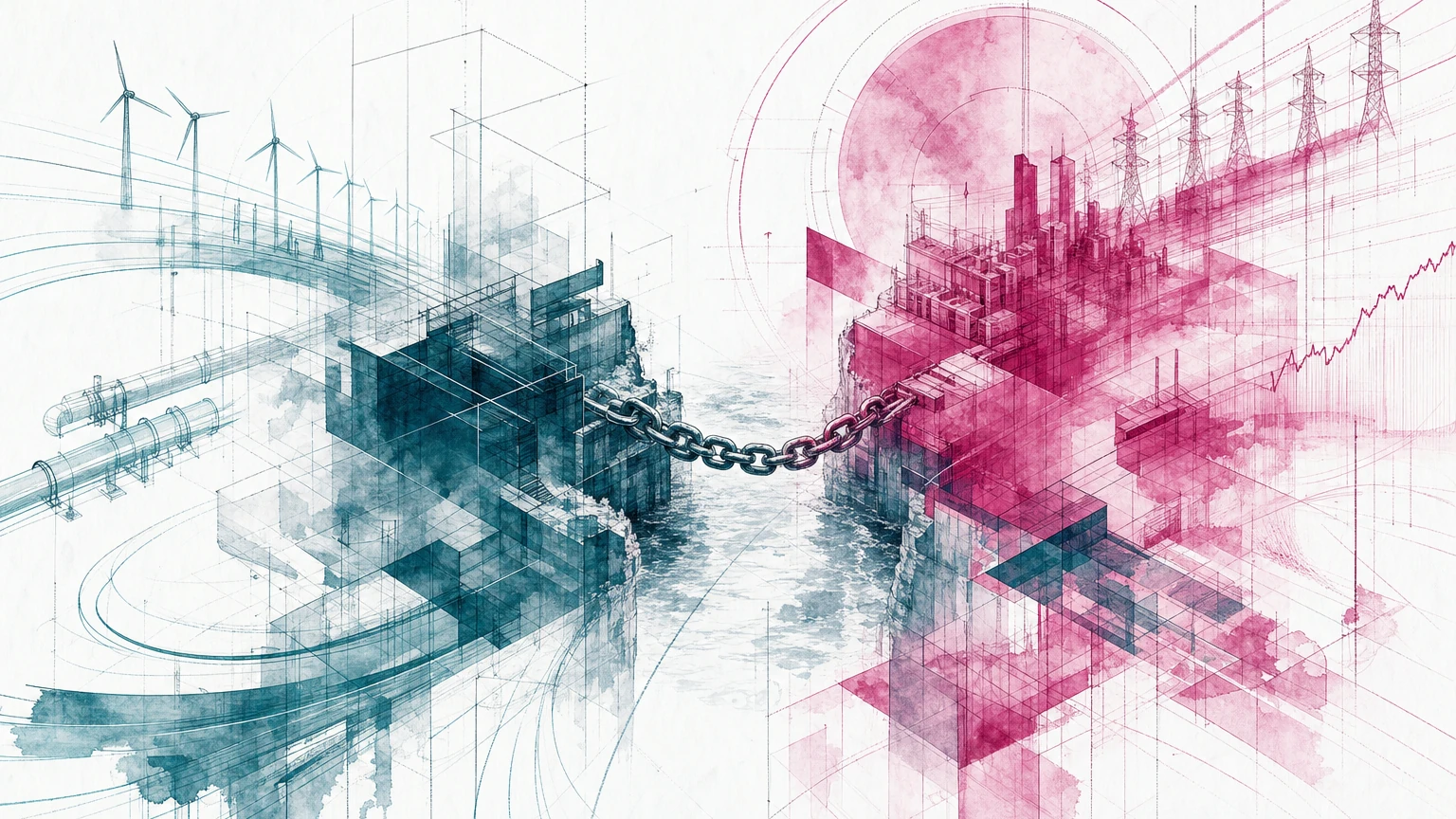
Energy transition is about power, not just climate
The IMF just revised global growth downward because a single strait closed. That’s not a climate story. It’s a sovereignty story, and it’s exactly what the energy transition is really about.
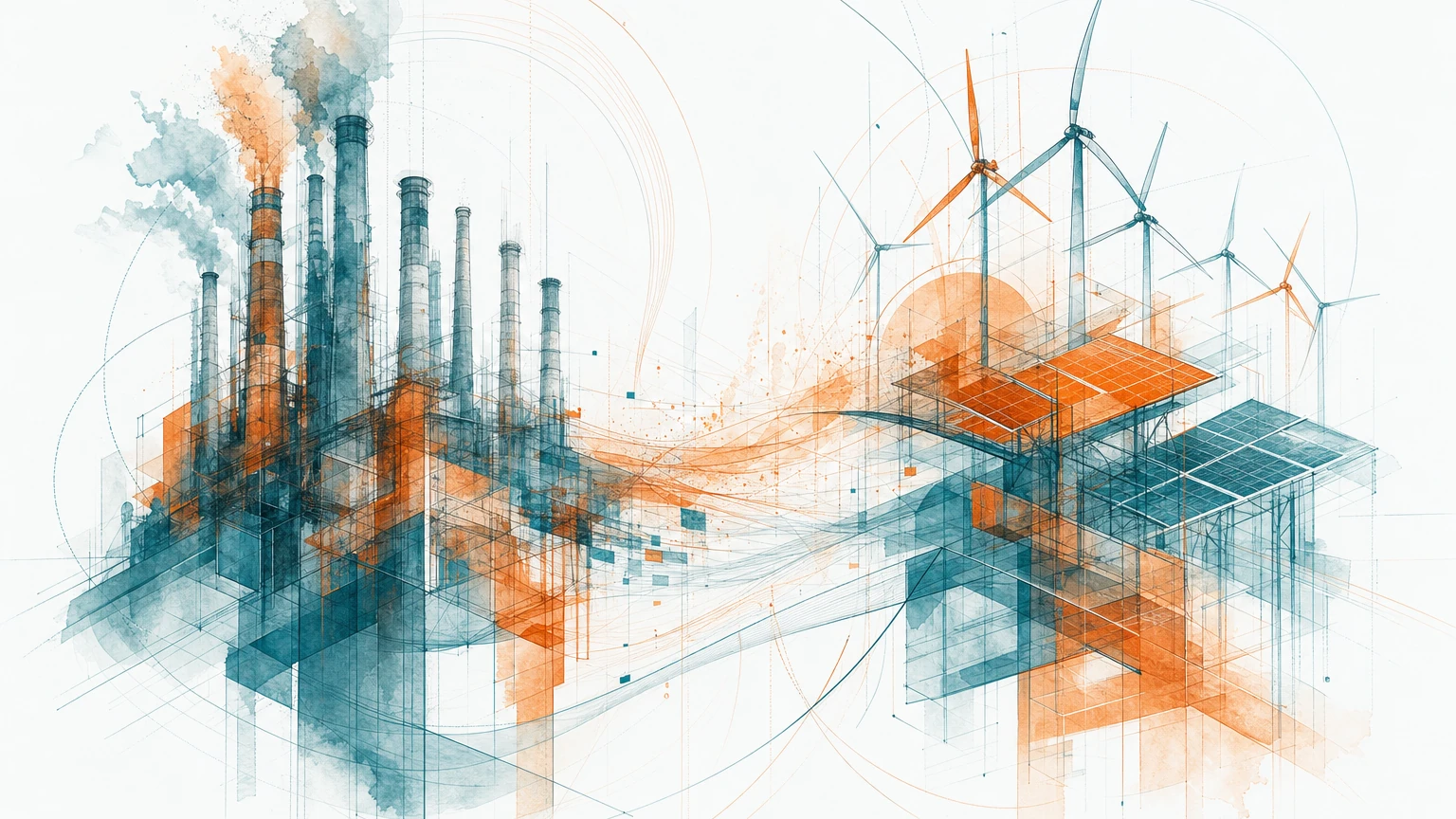
The energy transition: technologies, stakes, timelines
Renewables are now the cheapest source of new electricity in most of the world. Yet fossil fuels still account for over 80% of global energy consumption. Understanding why the gap exists, and what it takes to close it, is the real foundation of the energy transition.

Natural resources: control, scarcity and geopolitics
Oil, lithium, fresh water, sand: natural resources rarely dominate public conversation until prices spike or two countries go to war over their control. Understanding how they are distributed worldwide and what governs their value is the key to decoding a large share of global economic and geopolitical news.